
Azure Cosmos DB Blog
The latest news, updates and technical insights from the Azure Cosmos DB team
Latest posts
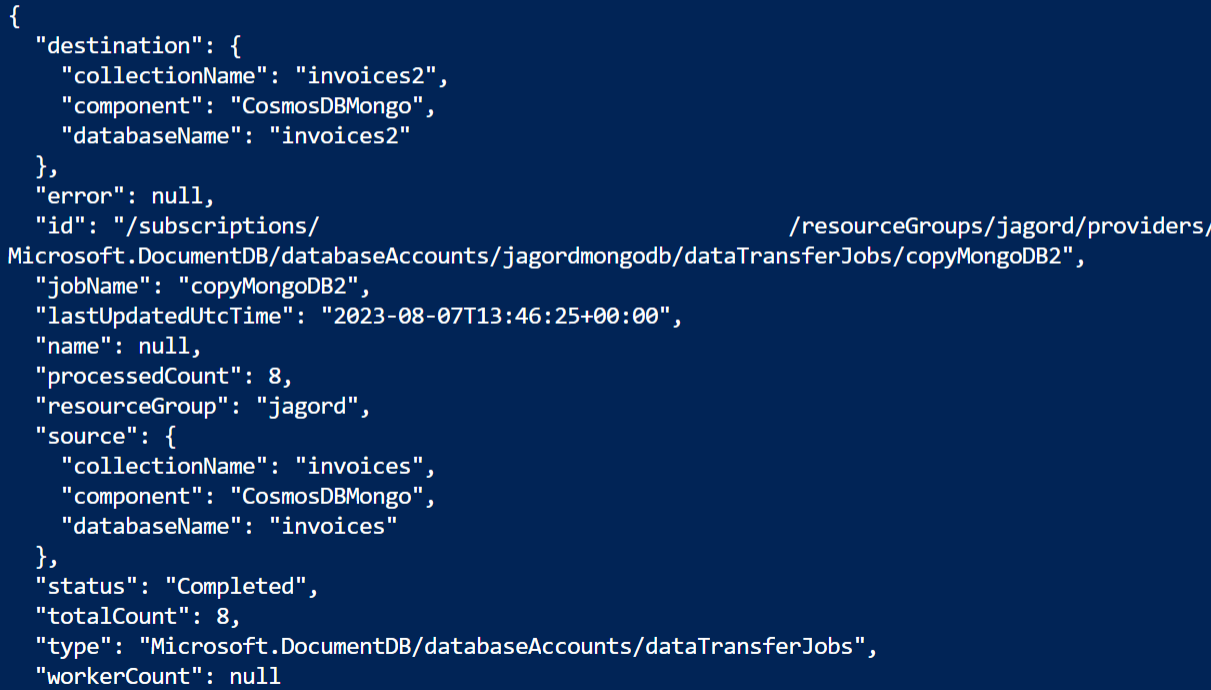
Introducing Intra-Account Collection Copy in Azure Cosmos DB for MongoDB

Azure Cosmos DB, Microsoft's globally distributed, multi-model database service, has always been at the forefront of empowering developers with innovative features and functionalities. In its pursuit of providing a seamless and efficient experience, Azure Cosmos DB recently announced the public preview of "Intra-Account Collection Copy" for Azure Cosmos DB for MongoDB. This feature allows users to effortlessly copy collections within the same account, offering enhanced data management and migration capabilities. In this blog post, we will delve into the significance of this update and explore how MongoDB support ...

Introducing Text Indexes in Azure Cosmos DB for MongoDB vCore

In the realm of modern databases, efficient querying of text-based data is pivotal to deliver smooth user experiences and provide valuable insights from textual content. To address this need, Azure Cosmos DB for MongoDB vCore now offers text indexing. In this blog, we'll delve into the ins and outs of text indexes in Azure Cosmos DB for MongoDB vCore, exploring their significance, implementation, and capabilities. What are Text Indexes Text indexes are a specialized data structure within Azure Cosmos DB for MongoDB vCore that vastly improve the performance of text-based queries. These indexes optimize the query...
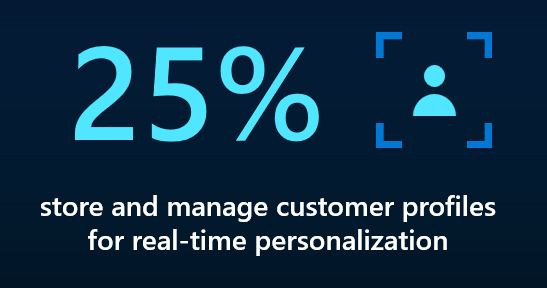
What are developers building with Azure Cosmos DB?

Developers are building top-notch, modern applications with Azure Cosmos DB, using incredible performance at any scale to power different use cases across industries. Rather than just saying it, we thought we’d show you a breakdown of how customers are using Azure Cosmos DB based on customer usage trends. Looking at the data, we found that: Customers are realizing significant scale, with Azure Cosmos DB handling more than a million scale up/down changes per day thanks to its instant and limitless elasticity. Additionally, due to elasticity improvements, customers are seeing ...

Latest NoSQL Java Ecosystem Updates 2023 Q1 & Q2

We're always busy adding new features, fixes, patches, and improvements to our Java-based client libraries for Azure Cosmos DB for NoSQL. In this regular blog series, we share highlights of recent updates in the last period. January - June 2023 updates Spring data - enhanced multi-tenancy support In January 2023 we added enhanced support for building multi-tenant applications in Azure Cosmos DB using the Azure Cosmos DB Spring Data Client Library. Developers can now implement a database per tenant or container per tenant ...

Azure Cosmos DB: Powering the apps you use every day
Did you know that Azure Cosmos DB powers the apps you rely on every day? From the mobile app you use to order your coffee, to your communications methods at work, to your online shopping and news consumption, Azure Cosmos DB works behind the scenes to power the most popular apps and elastically scale them to meet demand. Here's how a handful of top brands are using Azure Cosmos DB to drive their services: Check out this infographic to learn more: About Azure Cosmos DB Azure Cosmos DB is a fully managed and serverless distributed database for modern app deve...

Distributed PostgreSQL benchmarks using HammerDB, by GigaOM

Distributed PostgreSQL has become a hot topic. Several distributed database vendors have added support for the PostgreSQL protocol as a convenient way to gain access to the PostgreSQL ecosystem. Others (like us) have built a distributed database on top of PostgreSQL itself. For the Citus database team, distributed PostgreSQL is primarily about achieving high performance at scale. The unique thing about Citus, the technology powering Azure Cosmos DB for PostgreSQL, is that it is fully implemented as an open-source extension to PostgreSQL. It also leans entirely on PostgreSQL for storage, indexing, low-level query...
Latest features in Azure Managed Instance for Apache Cassandra
Are you self-hosting open-source Apache Cassandra on-premises or in the cloud? What if you could have patching, deployment, scaling, platform security, cloud infrastructure, and live site support taken care of for you... for not much more than the cost of running virtual machines in the public cloud? Welcome to Azure Managed Instance for Apache Cassandra! A first-party service in Azure, built by Azure Cosmos DB engineers, hosting and maintaining pure open-source Apache Cassandra clusters. The service allows you to spend more time focusing on developing your solution while keeping everything you love about Apac...
Announcing Vercel and Azure Cosmos DB Integration

We are excited to announce the public preview of the Vercel and Azure Cosmos DB integration. This new integration improves productivity as developers can now easily create Vercel applications with an Azure Cosmos DB database already configured. With this integration, developers can transform their creative ideas into reality in real-time. Empowering developers to bring their ideas to life Azure Cosmos DB is becoming a popular choice among developers as the go-to database solution for building modern, cloud-based applications. The database offers a range of benefits that make it an attractive option f...
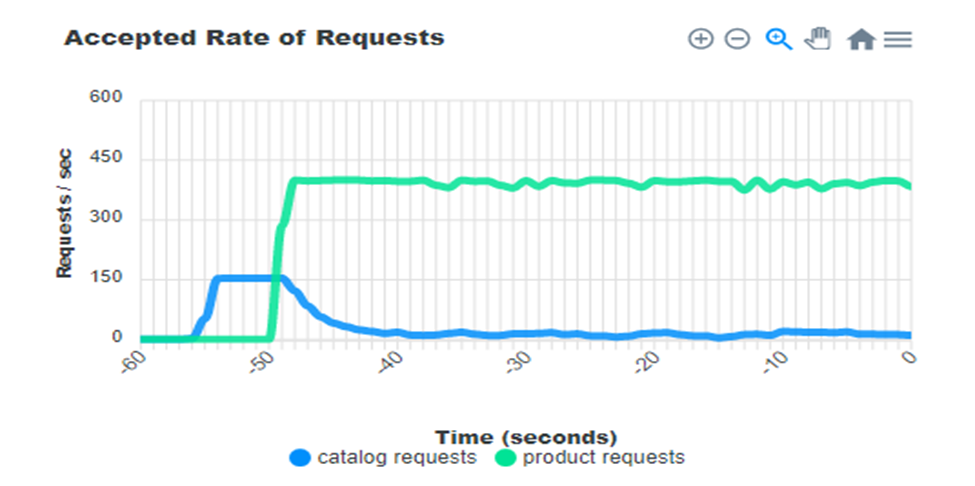
Introducing priority-based execution in Azure Cosmos DB (preview)
The problem Azure Cosmos DB is a fast and flexible database service that can handle massive amounts of data and scale elastically. However, sometimes you may encounter situations where your application sends more requests than the configured throughput (RU/s) of your container. In such cases, Azure Cosmos DB will throttle some of the requests and return a 429 status code with a retry-after header. This situation can be frustrating and can lead to degradation of application performance and even revenue loss. The Solution What if there was a way to overcome this situation without incurring the extra cos...