
Q# Blog
Quantum Development
Latest posts
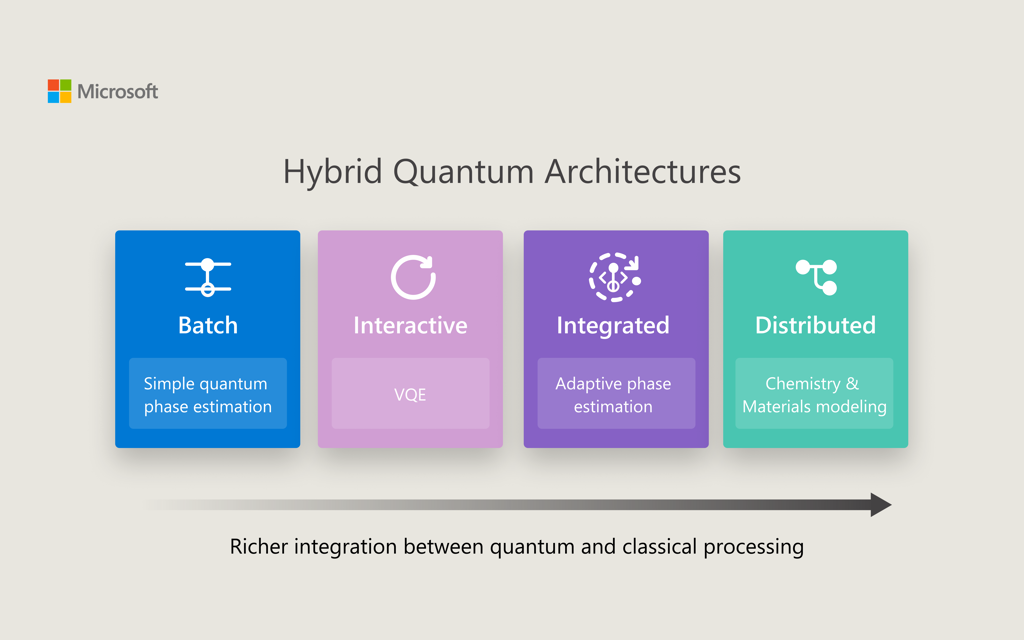
Azure Quantum unlocks the next generation of Hybrid Quantum Computing

Today, Microsoft announced a significant quantum advancement and made our new Integrated Hybrid feature in Azure Quantum available to the public. Quantum computing is inherently hybrid. The key to unlocking impactful, commercial applications at scale will be deep integration between classical computing capabilities including HPC and AI with scaled quantum computing in the cloud. Now, researchers can begin developing hybrid quantum applications with a mix of classical and quantum code together that run on one of today’s quantum machines, the Quantinuum H-Series in Azure Quantum. This capability unlocks a ne...
Shorter quantum circuits

To solve some of the world’s most challenging problems in chemistry and materials science will require scaling up a quantum computer to a million qubits and beyond [BMTS+ 2022]. Microsoft has taken a more challenging, but what we believe to be a more promising path towards scaled quantum computing and designed our machine using topological qubits. Our unique qubit architecture is theorized to enable our quantum machine to be small enough to fit in a closet, fast enough to solve problems in a practical timeframe, and have the capability to control more than one million qubits. We are confident in this design gi...
Azure Quantum Winter Learning Opportunities

Want to pursue your interests in quantum computing? Start today and sign up for great winter learning opportunities with Azure Quantum.
Festivus: Azure Quantum Feats of Strength

Azure Quantum team celebrates Festivus by listing Azure Quantum feats of strength - their favorite features and tools.
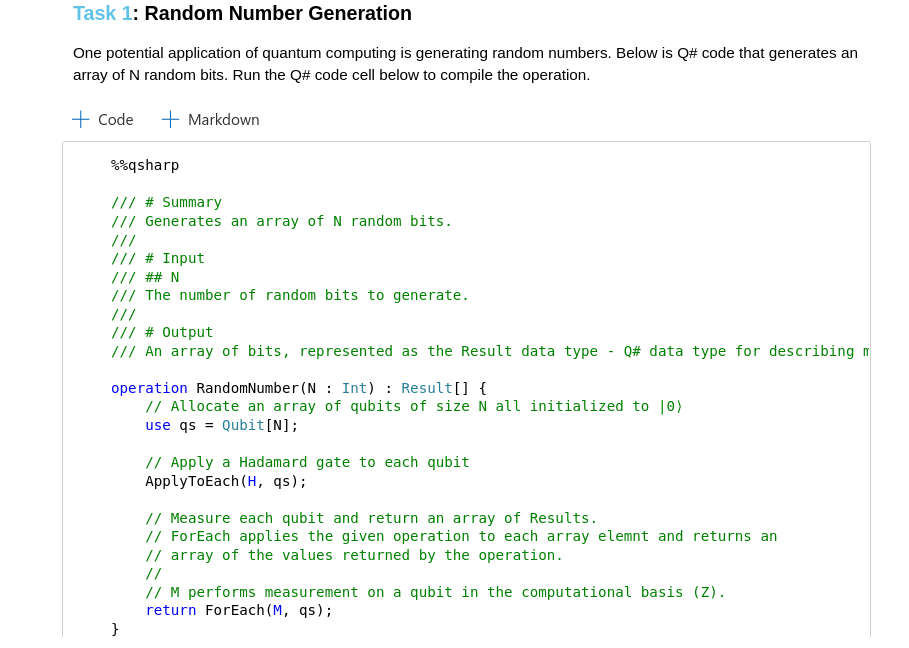
Developing and using Azure Quantum assignments for quantum computing courses

In this blog post Hal Owens writes about his internship project at Microsoft Quantum - developing quantum programming assignments with Q# and bringing them to the classroom at Purdue.
λ-Q#: Understanding and Evolving the Q# Programming Language

λ-Q# is an idealized version of Q# aimed at providing it a formal language definition, placing the language on a solid mathematical foundation, and enabling further evolution of its design and type system.
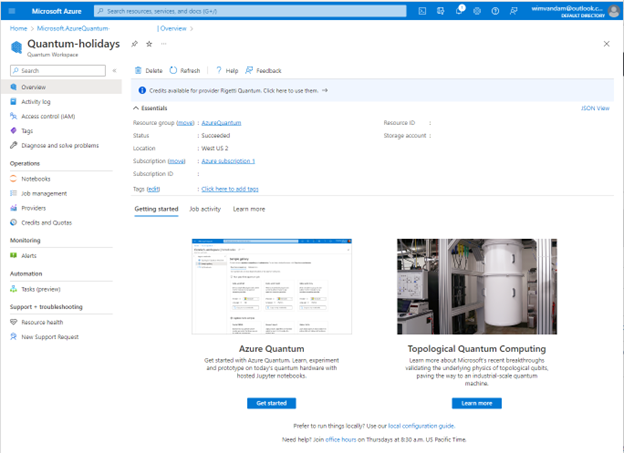
Signing up for Azure Quantum from scratch

This blog post offers a step-by-step guide to creating your first Azure account and Azure Quantum workspace.
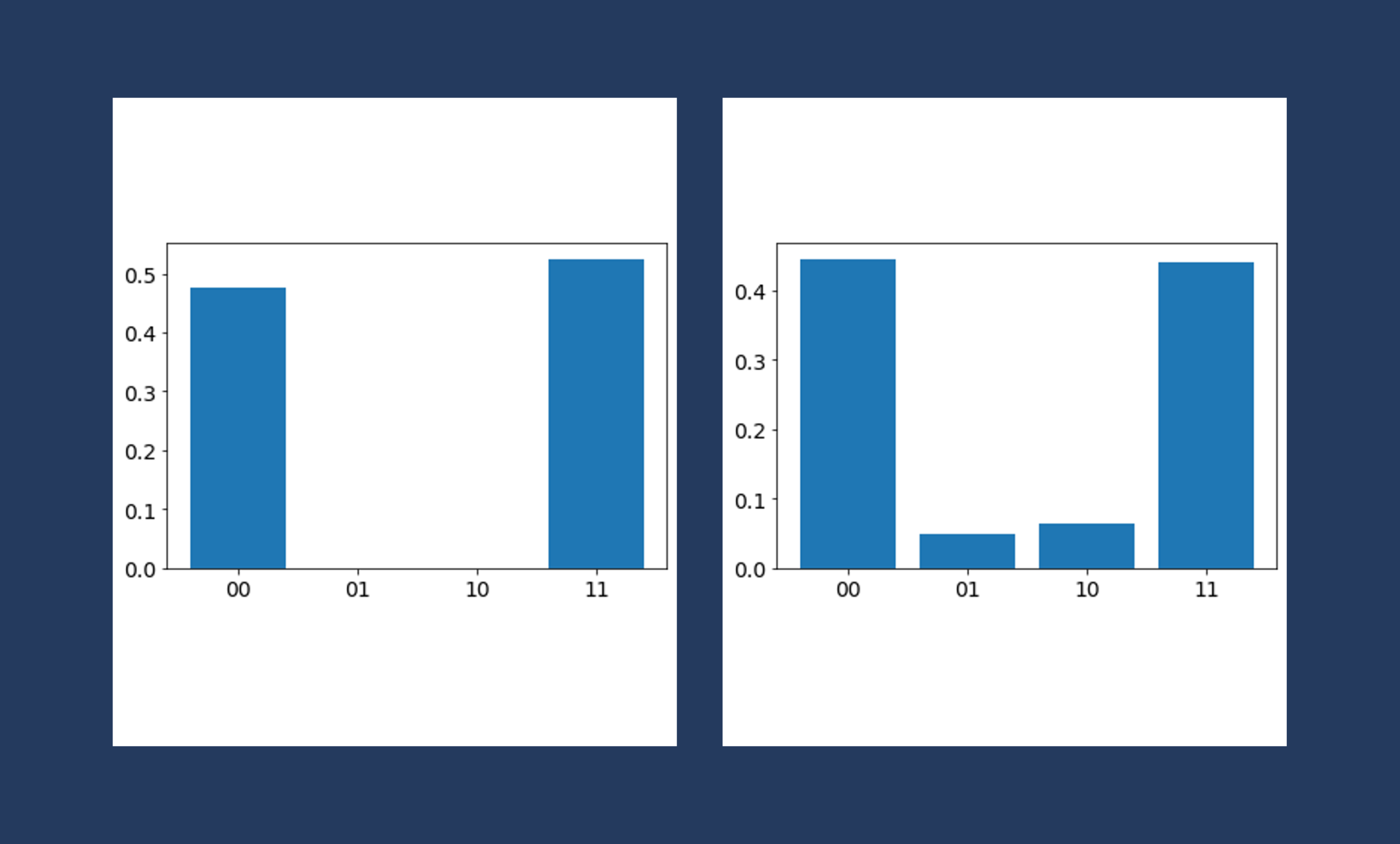
Teaching Quantum Computing with Q# and Azure Quantum at Northeastern University
This fall I taught "Introduction to quantum computing" at Northeastern University. In this post, I share my experience teaching it and describe the kinds of programming assignments the course offered.
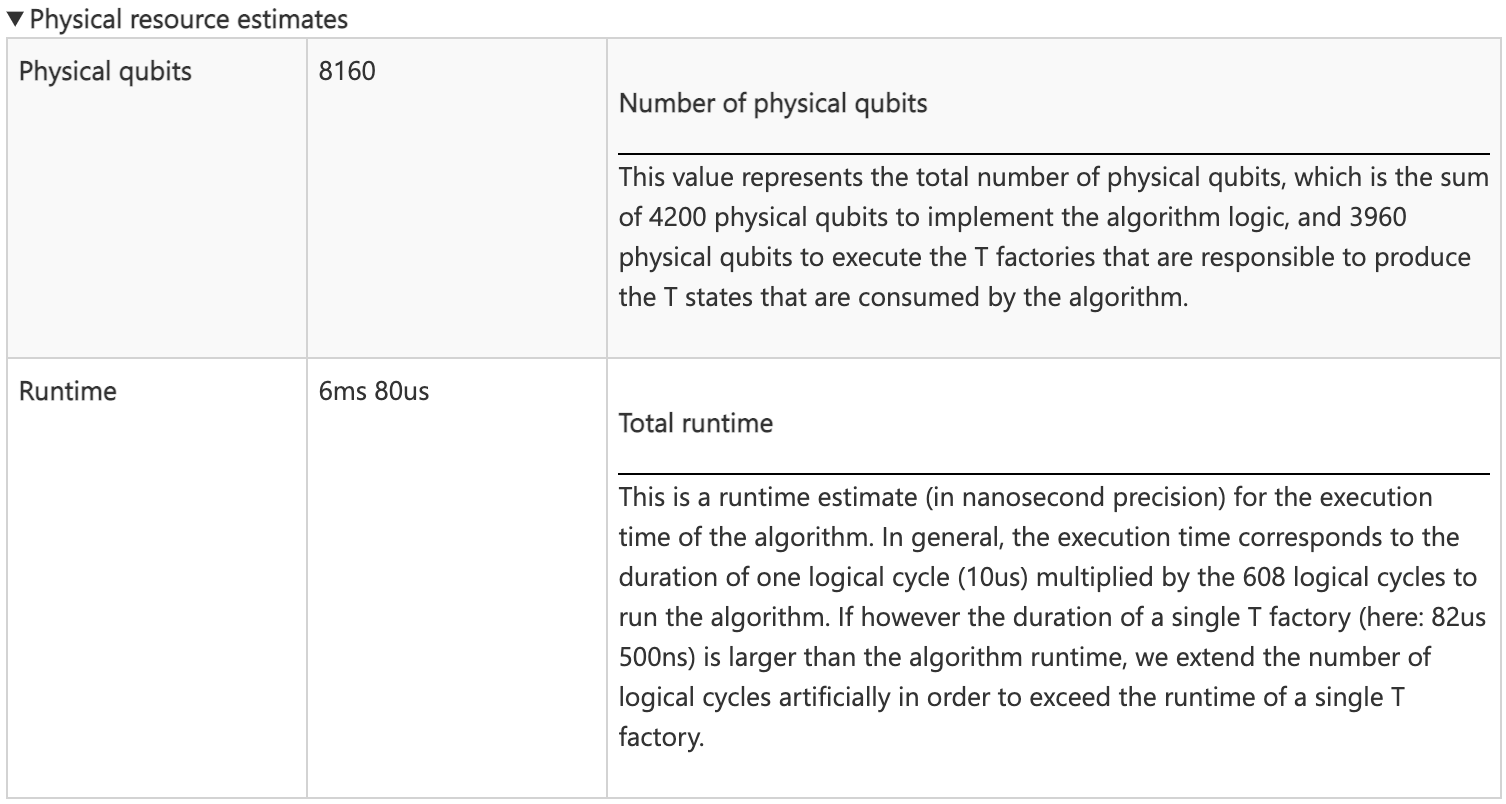
Automate Resource Estimation with QIR

Learn how to automate physical resource estimation jobs using the Azure Quantum Resource Estimator and the Azure Quantum Python library.