
Azure DevOps Blog
DevOps, Git, and Agile updates from the team building Azure DevOps
Latest posts
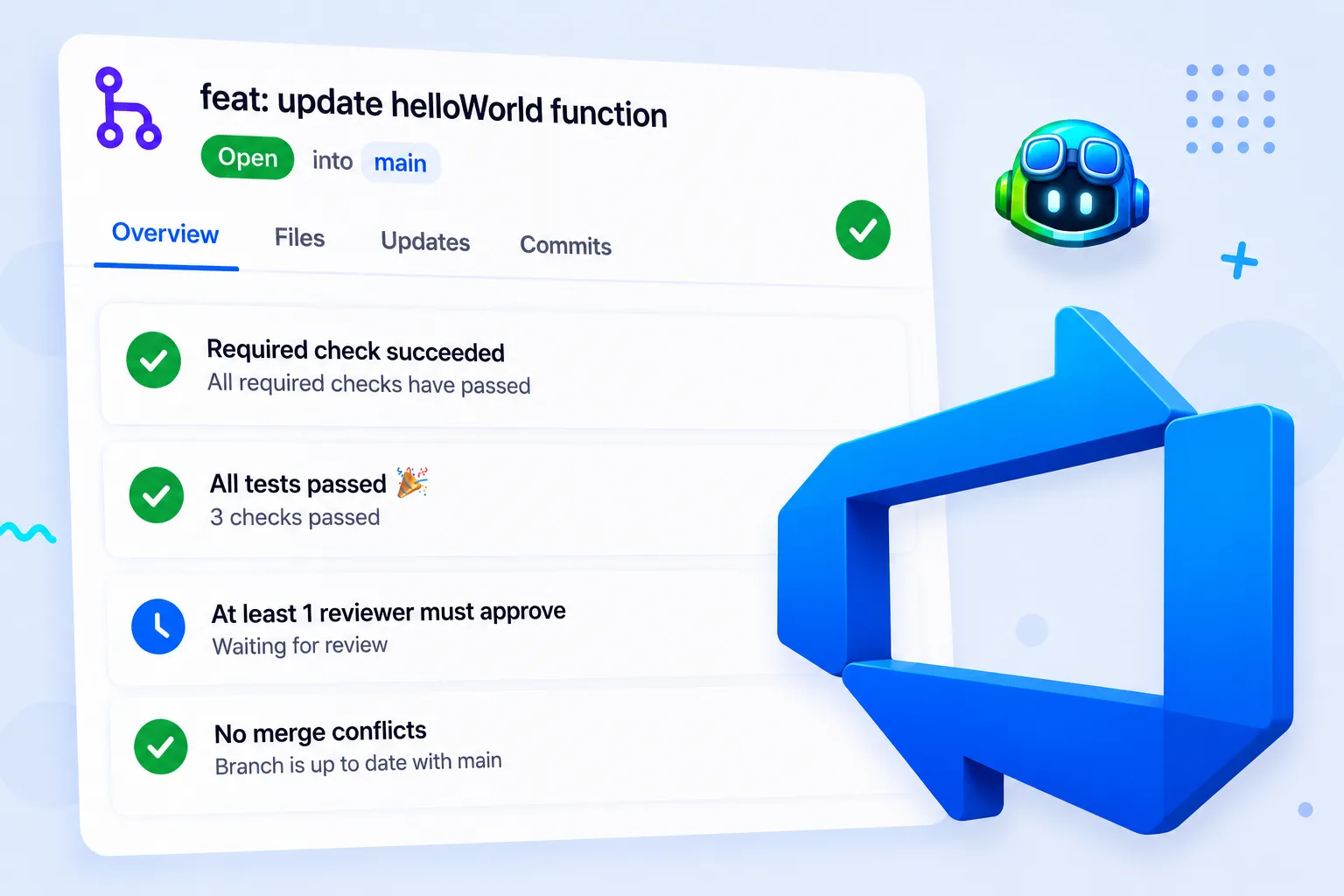
Copilot Code Reviews for Azure Repos (public preview)

Today, we’re announcing the public preview of GitHub Copilot Code Review for Azure Repos, making the feature available to all Azure DevOps customers using the service. There’s no longer a need to sign up for early access. Customers can now enable Copilot Code Review for their Azure Repos repositories and start using it. With the public preview, we’re also introducing several improvements we’ve made over the past couple of months based on what we’ve learned during the technical preview. Before getting started, be sure to read the official documentation for details on how Copilot Code Review works, how to enable ...
Apple Silicon and Xcode 27 images available in pay-as-you-go (preview)

Apple developers can now build and test their applications natively on Apple Silicon in Azure Pipelines. New arm64 macOS agents are available in public preview through the pay-as-you-go GitHub-hosted Agents pool. Starting with Apple Silicon, Azure Pipelines is bringing over some of the agent sizes already available in GitHub Actions. The preview includes the following macOS images: Running workloads directly on Apple Silicon avoids the overhead and compatibility limitations of emulating arm64 on Intel hardware. It also lets teams validate applications against the same architecture used by current Apple device...
August Patches for Azure DevOps Server

We are releasing new patches for our self‑hosted product, Azure DevOps Server. We strongly recommend that all customers stay up to date with the latest, most secure version of Azure DevOps Server. The most recent release, Azure DevOps Server, is available on the download page. The following versions have been patched. For more details on these updates, see the release notes: ⬇️Azure DevOps Server Patch Download ✅Verifying Installation To verify that the patch is installed, run the following command on the Azure DevOps Server machine using the patch installer you downloaded: Replace with the name of the...
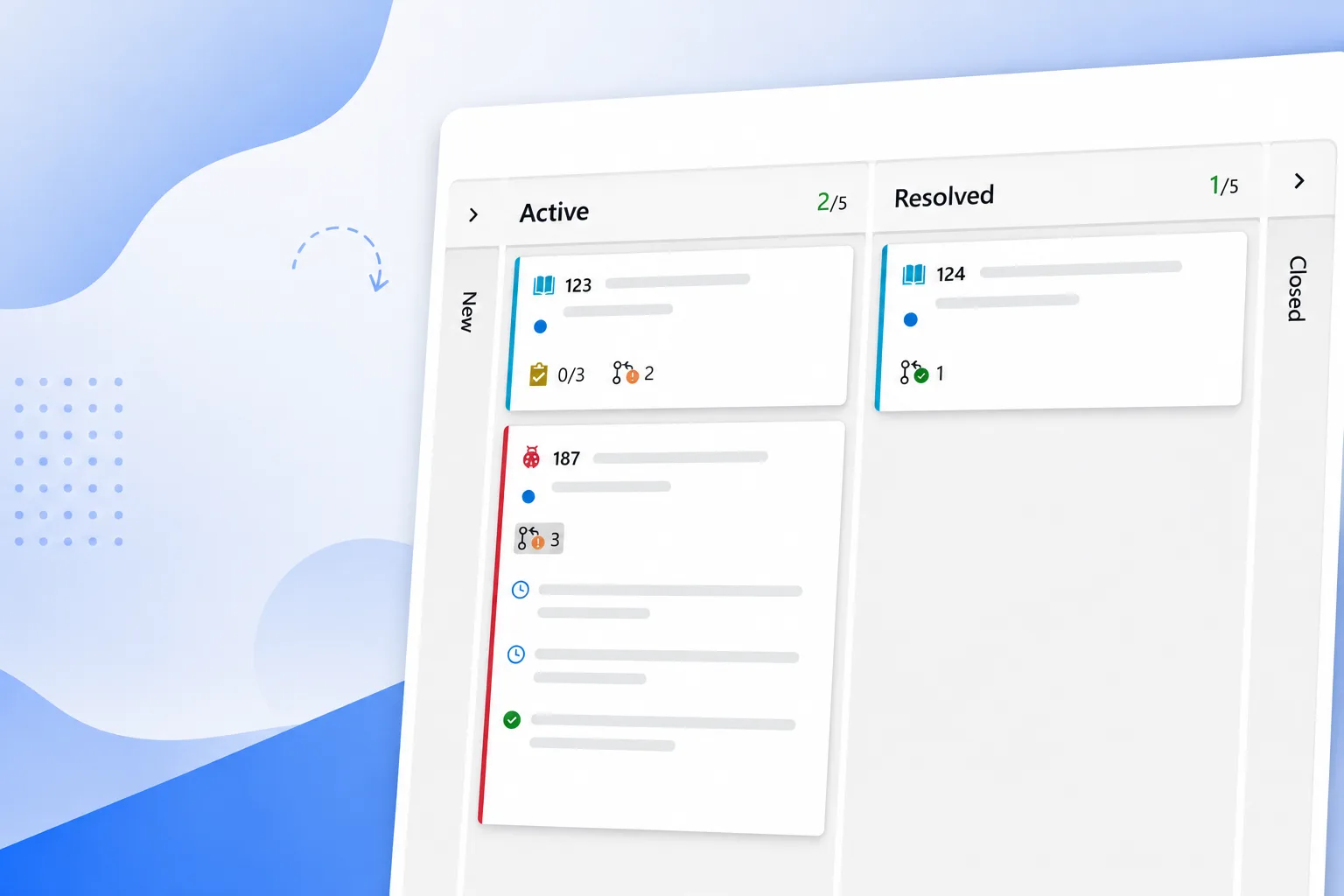
Pull request annotations on work item cards
It's now easier to track development progress without leaving your Kanban board. Azure Boards now displays pull request annotations directly on work item cards, making it easy to see at a glance when work is actively moving through code review. With pull request status visible directly on the board, your team can quickly understand the state of development without opening a work item or switching to Azure Repos. Whether you're in a stand-up, planning your next sprint, or simply reviewing the board, you can immediately identify which work items have active pull requests. If you prefer a cleaner board, you can ...
You can now use the Azure DevOps Service Connection instead of a PAT or Build Session token
We're excited to announce the Azure DevOps service connection, a new way to access Azure DevOps from your pipelines using a Microsoft Entra workload identity (a service principal or managed identity) instead of a Personal Access Token (PAT) or session token. This post walks through what it is, how to set it up, and the many places you can use it, including several capabilities we've added based on your feedback. Why use an Azure DevOps service connection? Using an Azure DevOps service connection improves the security of your pipelines in several ways: Because the connection authenticates as a Microsoft ...
Azure DevOps Remote MCP Server is generally available
Today, we're excited to announce the general availability of the Azure DevOps MCP Server 🎉 The Azure DevOps MCP Server gives AI assistants secure, contextual access to your Azure DevOps projects so they can help you plan, build, and ship software more effectively. With the Azure DevOps remote MCP Server, you can get started without installing or hosting anything yourself. Simply connect your AI assistant directly to the Azure DevOps hosted endpoint by using streamable HTTP transport and start working with your projects in minutes. Getting Started Getting started in simple. Depending on the tools that you are u...
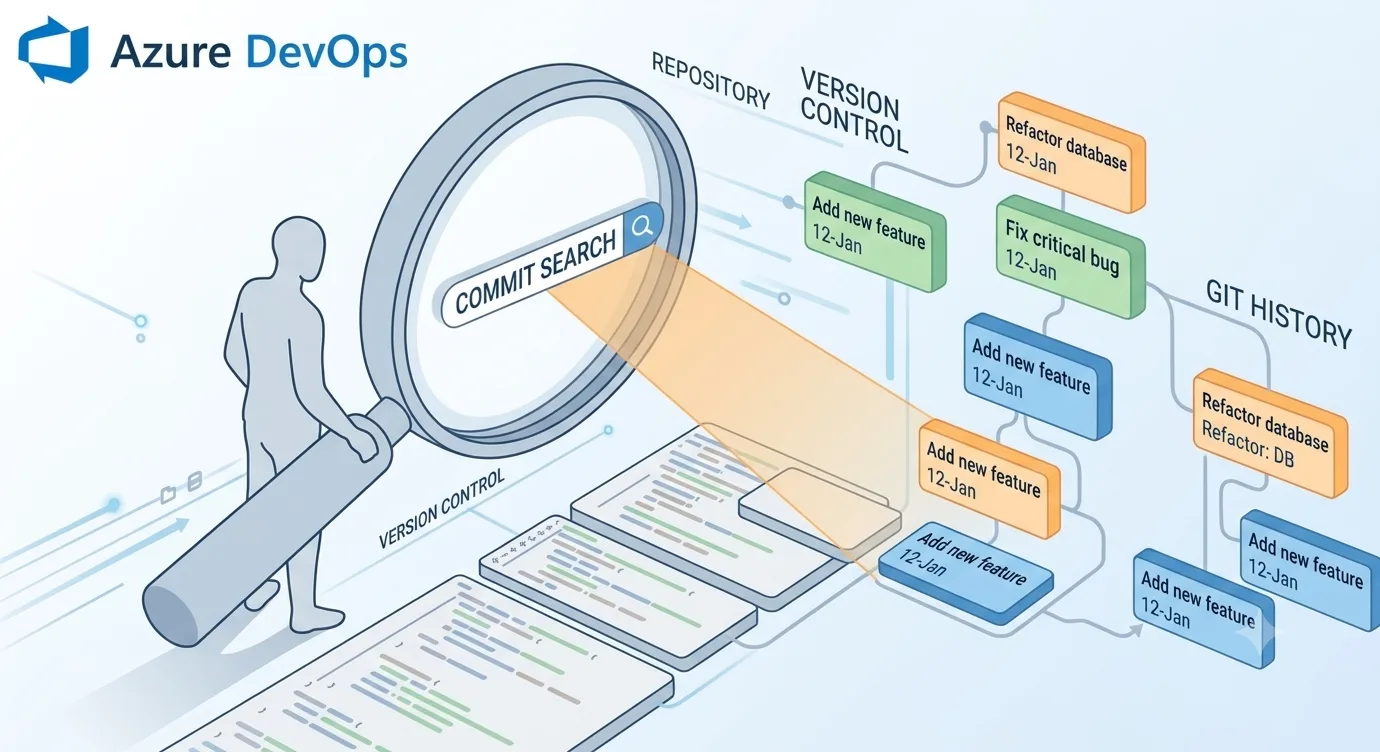
Find any commit in seconds: Commit Search comes to Azure DevOps

Great code has a long memory. The fix you shipped last quarter, the refactor that touched a dozen files, the one-line change that explained why something works the way it does — it's all there in your commit history. The hard part has always been finding it. Today, we're excited to announce that Commit Search is entering general availability (GA) in Azure DevOps. This is a capability our team has been building and refining for quite some time — through design, a private preview with early customers, and a careful, staged rollout — and we couldn't be happier to bring it to everyone. Why we built Commit Search C...

July Patches for Azure DevOps Server
We are releasing new patches for our self‑hosted product, Azure DevOps Server. We strongly recommend that all customers stay up to date with the latest, most secure version of Azure DevOps Server. The most recent release, Azure DevOps Server, is available on the download page. The following versions have been patched. For more details on these updates, see the release notes: ⬇️Azure DevOps Server Patch Download ✅Verifying Installation To verify that the patch is installed, run the following command on the Azure DevOps Server machine using the patch installer you downloaded: Replace with the name of the...
Shrinking Azure Pipeline task extensions using esbuild

TL;DR We bundled an internal Azure Pipelines task extension into a single bundled JavaScript file using esbuild. The task package dropped from tens of megabytes and thousands of files to three files per task ( , , and ). The change took about 20 lines of build tooling. We measured the payoff across our production pipelines: Spending less time downloading and extracting tasks means we can make more efficient use of our build infrastructure. If you publish a node-based Azure DevOps task extension that ships a large folder or thousands of small files, you can almost certainly benefit from this same chan...