
Microsoft
Developer Blogs
Get the latest information, insights, and news from Microsoft.
Highlights
Get started with the GitHub Copilot app: a free, hands-on course
WSLC Architecture deep dive
Bring your plugin to Microsoft Copilot with Work IQ Developer Tools
Latest posts
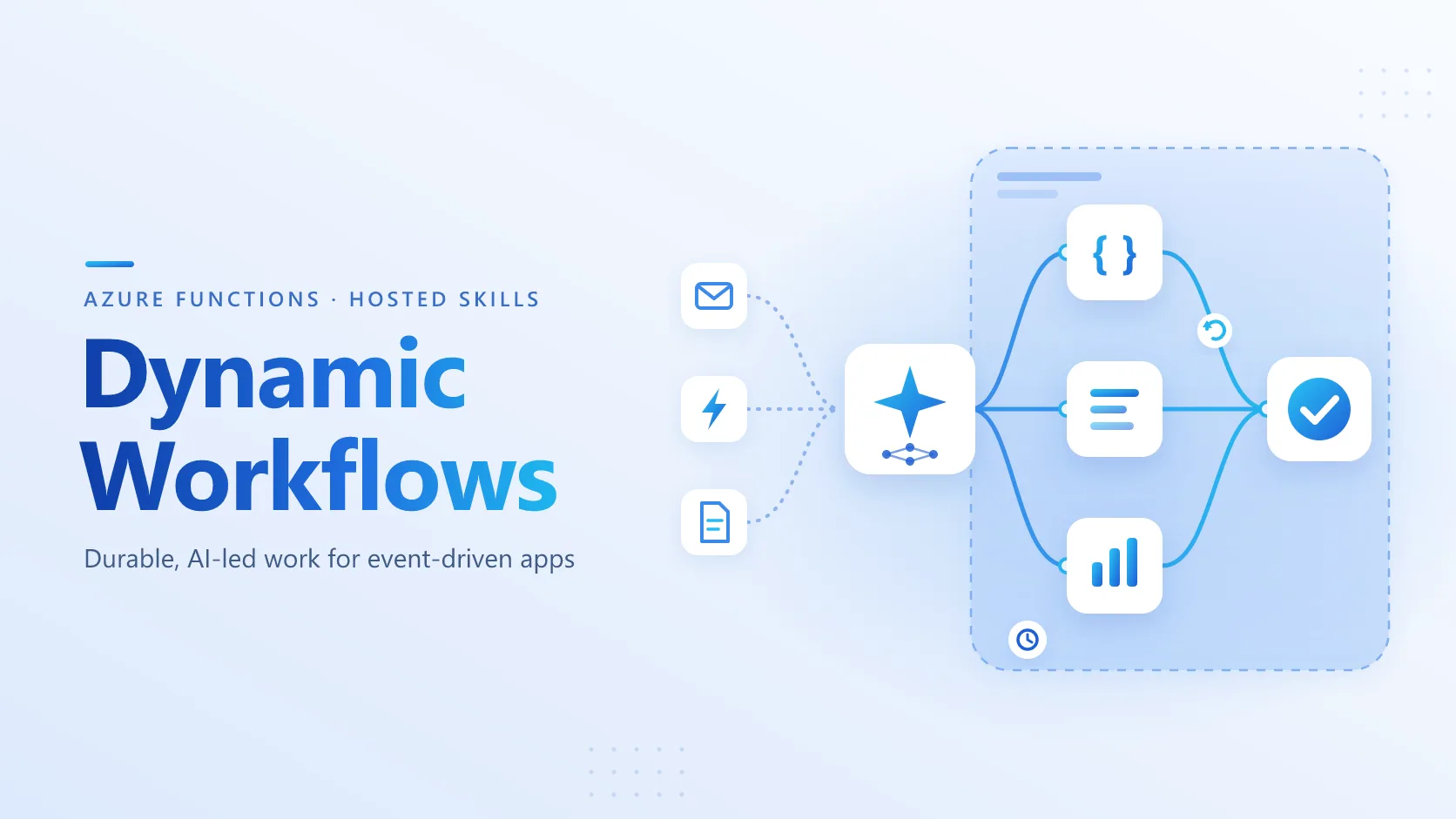
Dynamic Workflows in Azure Functions Hosted Skills: Durable, AI-Led Work for Event-Driven Apps

Azure Functions is the event-driven application platform, and Hosted Skills adds AI reasoning to your app. Dynamic Workflows give the app a durable way to carry out AI-led, multi-step work after the triggering invocation is finished. The model writes a plan (a DAG) one time, and Durable Functions runs it. In our benchmark, token use decreased by 56-93% and end-to-end latency decreased by 77-95%, with the same output quality.
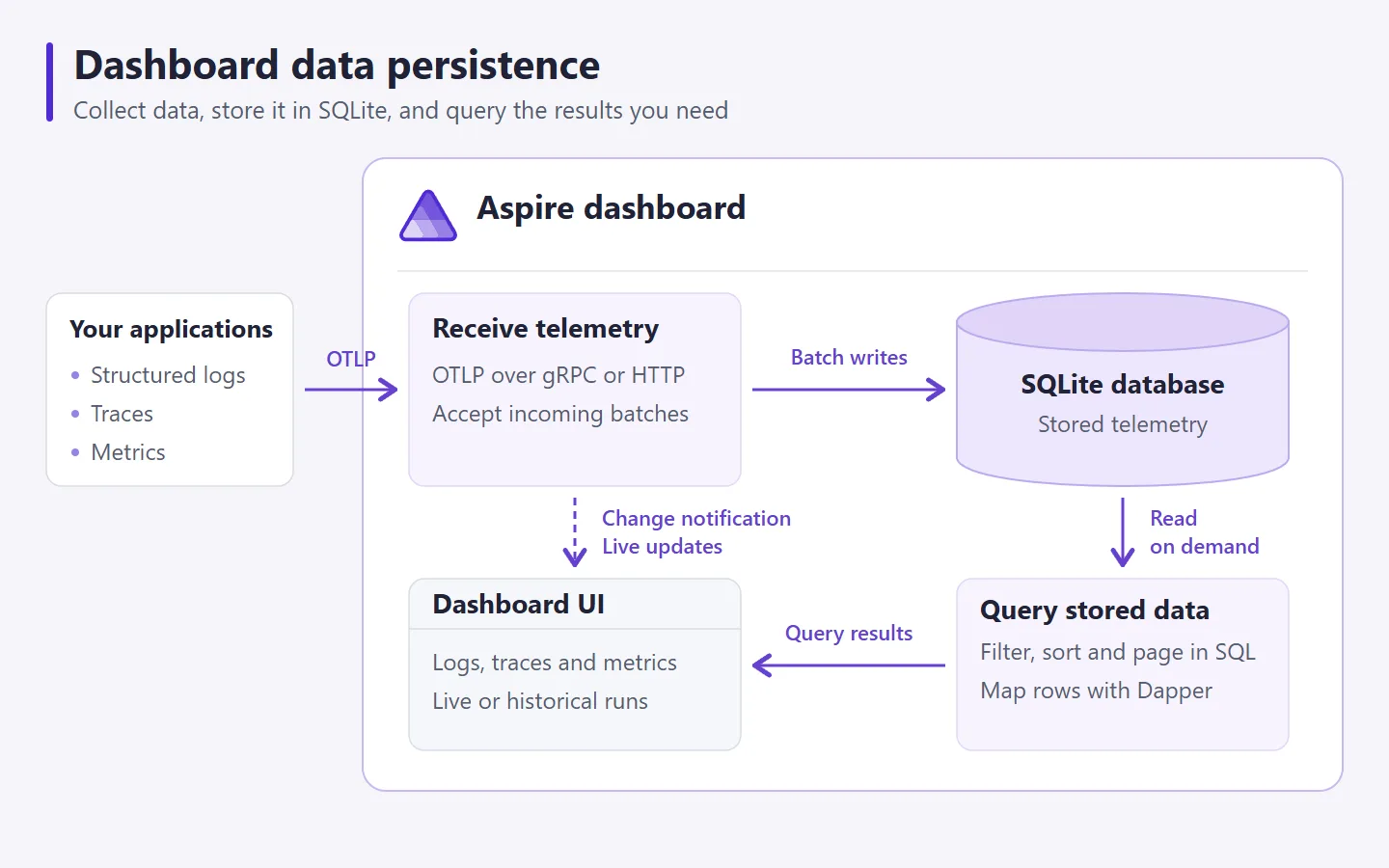
Adding persistence to the Aspire dashboard

Aspire 13.6 adds dashboard persistence and run history. Revisit telemetry after a restart, retain more data, and explore the SQLite and Dapper implementation behind it.

If one anti-malware software is good, does that make two better?

Not always.
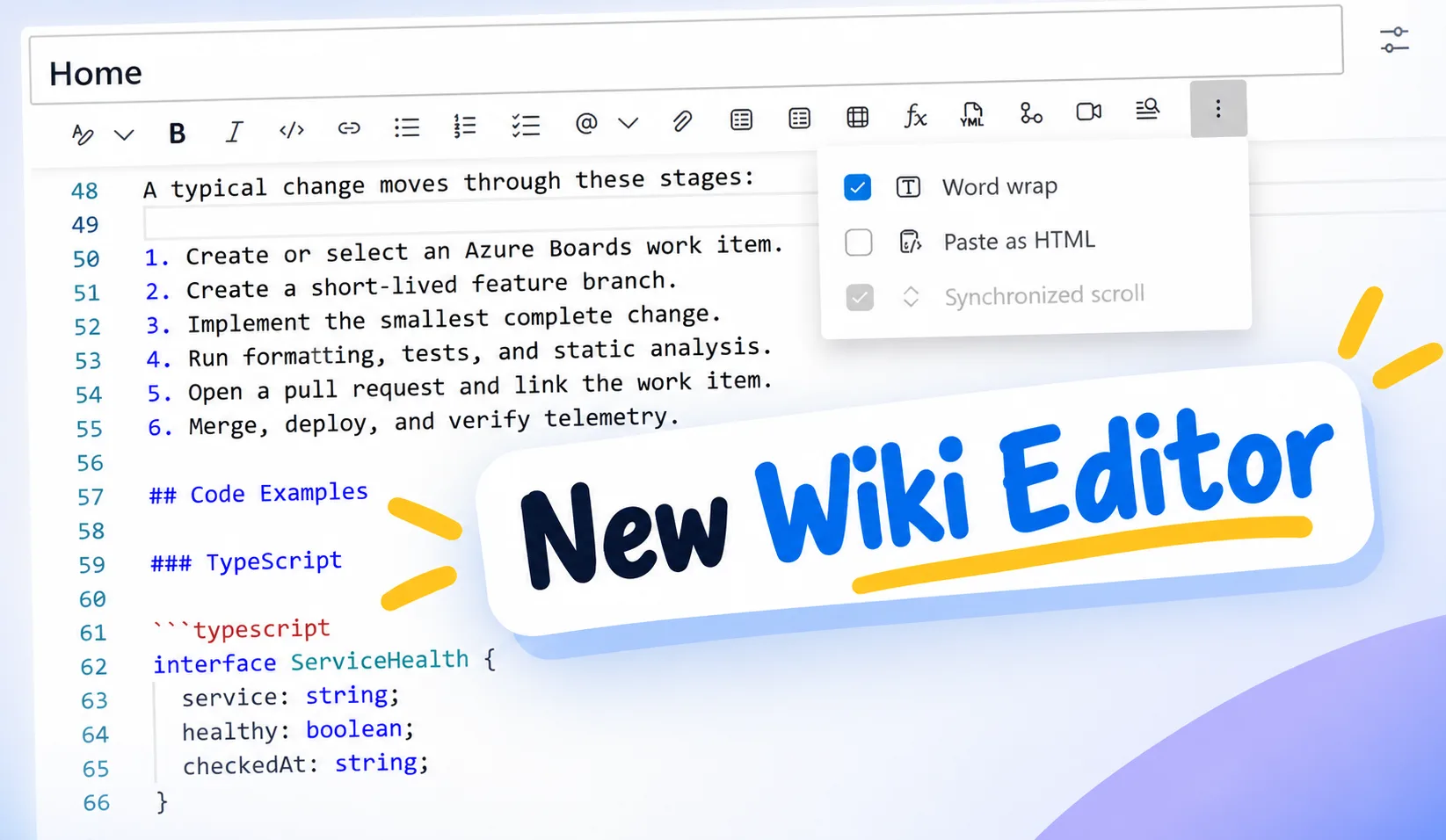
New Wiki Editor Experience

We are excited to announce a new editing experience for Wiki pages. We are replacing the existing editor with a new editor built on Monaco Editor, the same editor technology that powers Visual Studio Code. Monaco brings many of the editing capabilities familiar to Visual Studio Code to Wiki pages, while preserving the functionality of the existing Wiki editor. New features The new Monaco based editor includes: If you are already familiar with Visual Studio Code, the new editor should feel familiar and provide a better experience for creating and editing Wiki content. Enable the Public Preview To e...
Pre-authenticated (tempauth) URLs are retiring: move to Microsoft Entra ID tokens before April 1, 2027

Starting April 1, 2027, affected Microsoft Graph file APIs will no longer return pre-authenticated URLs. Applications using these APIs must authenticate requests with Microsoft Entra ID access tokens.

Faster by Design: Performance engineering in the Microsoft JDBC Driver for SQL Server

A database driver sits on the critical path of many applications. When a frequently executed path performs unnecessary work, even a small amount of overhead can compound across millions of operations. Over the past several releases, we have systematically profiled frequently executed paths across the Microsoft JDBC Driver for SQL Server, identifying opportunities to improve efficiency without changing application behavior. What began with ResultSet processing expanded into bulk copy operations, parameter metadata, Always Encrypted, and authentication. The work followed a consistent principle: measure where the ...
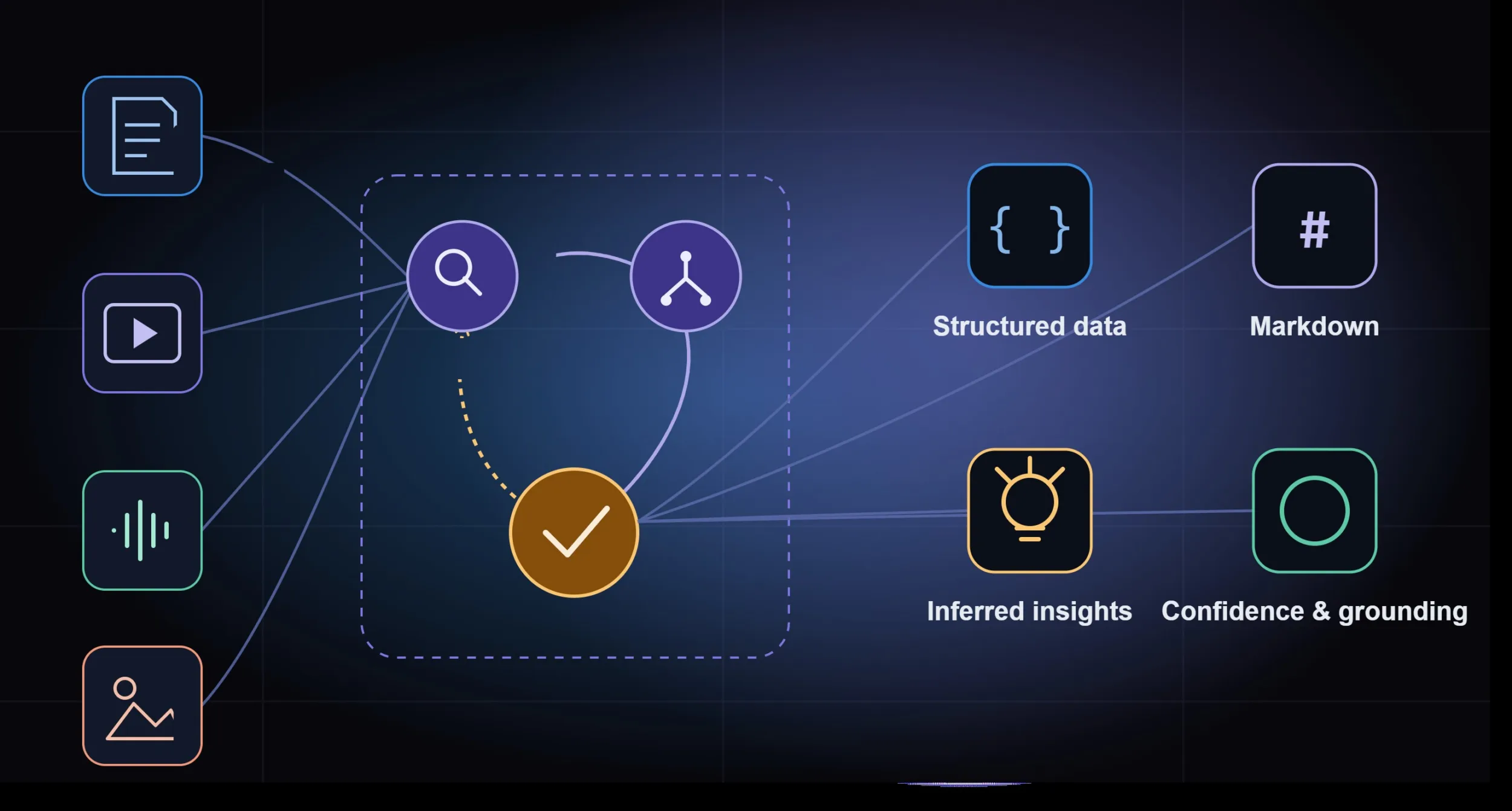
Azure Document Intelligence and Azure Content Understanding: a practical guide

Compare Azure Document Intelligence and Azure Content Understanding across extraction architectures, workload fit, Layout capabilities, deployment options, and practical evaluation criteria.
AI Development on Windows: from PyTorch and llama.cpp to Windows ML


Today we are highlighting improvements across a few key open-source projects many of you already use, as well as updates to Windows ML. To empower developers, we must support the broad range of tools for experimentation and exploration across inference and training, in addition to our production grade native inference stack. Available today, Windows adds experimental llama.cpp support to Windows ML so you can run GGUF models locally through new task-specific APIs. Windows ML is the unified, high-performance local AI inferencing framework for Windows. Our experimental Windows-native Runtime API is now in preview ...
From Spec-First to Enterprise-Ready: Extending GitHub Spec Kit

How presets, extensions, bundles, workflows, and governed catalogs make Spec-Driven Development adaptable at scale This article continues Spec-Driven Development: A Spec-First Approach to AI-Native Engineering, which introduced the principles and lifecycle of SDD. Here, we focus on the next challenge: adapting that workflow to the standards, domains, tools, and governance needs of a large engineering organization. When a good workflow meets organizational reality Spec-Driven Development (SDD) gives teams a durable source of truth: structured specs that carry intent through requirements, design, implementatio...
How can undefined opcodes ud0 and ud1 have parameters? How undefined were they?
They weren't defined, not even as undefined.
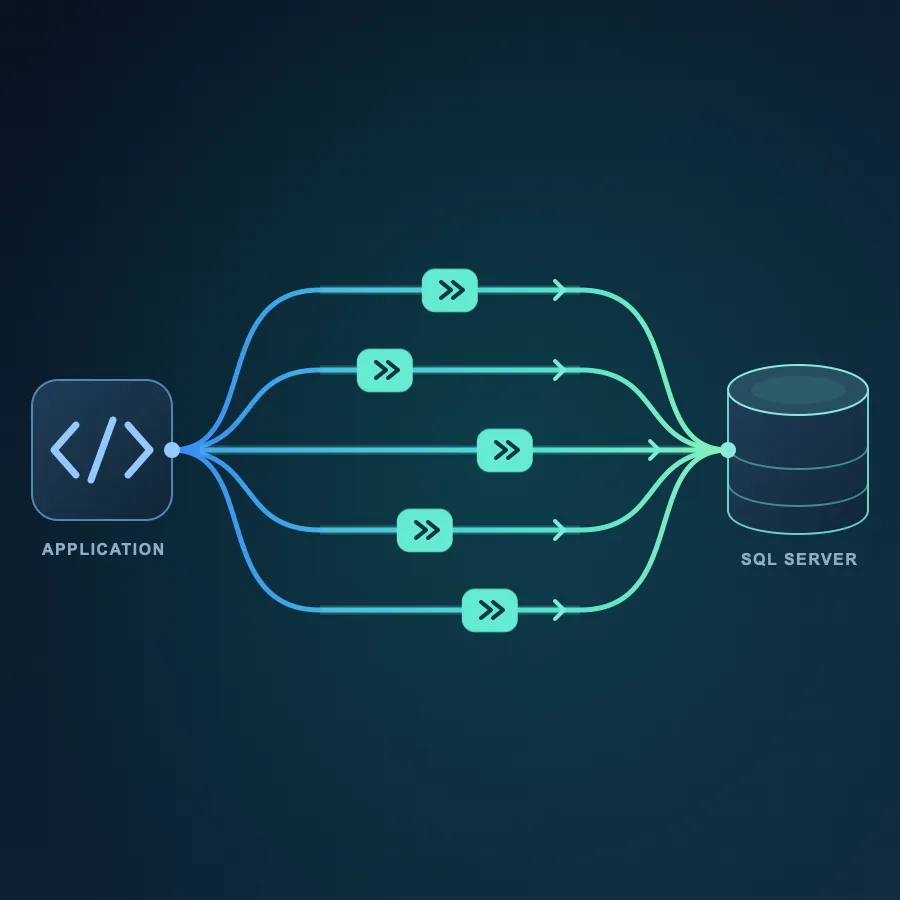
Try SqlClient’s new connection pool for faster parallel connections

You told us that applications using can take too long to establish the database connections they need. When many requests need connections at the same time, waiting for the connection pool to grow can delay application readiness and increase latency. This can happen even in common situations like querying several pieces of metadata during startup or receiving a burst of traffic after a quiet period. ’s new connection pool (Pool V2) is designed to address this problem by establishing new connections concurrently, allowing the pool to respond more quickly when multiple requests need new connections at the same tim...
Upcoming SQL and AI Events to Put on Your Calendar

Developers, database administrators, data professionals, architects and technology decision makers have several opportunities to connect, learn and gain hands-on experience this fall. 2027 Q4 SQL Events Get hands-on with SQL and AI The Friday workshops are led by the SQL product group! They provide a full day of practical learning before the community conferences begin. This AI workshop is designed for SQL developers, database administrators, application developers, architects and other data professionals who want to build AI-powered applications without abandoning the SQL tools and security model they alr...
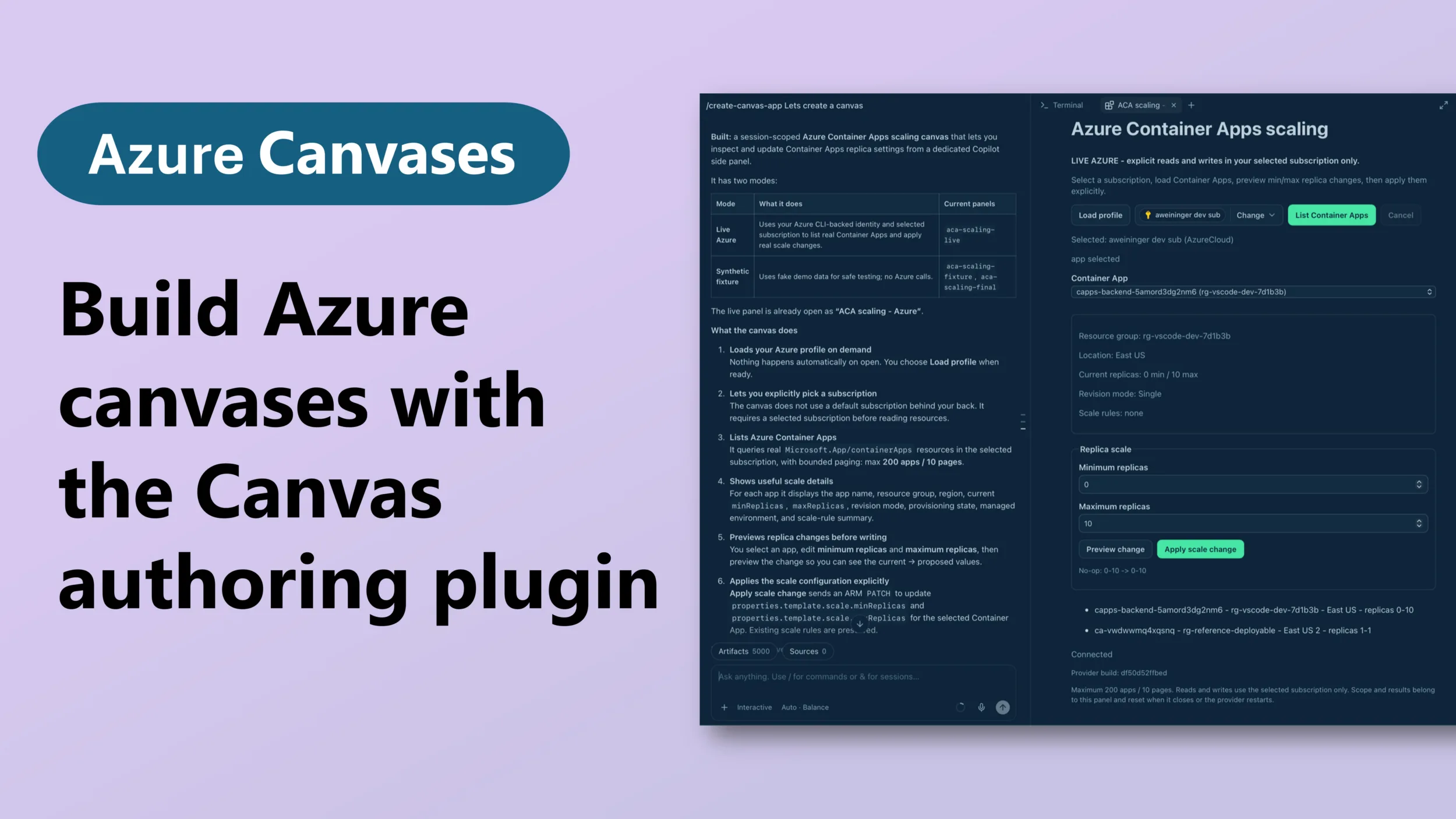
Build Azure canvases with the Canvas authoring plugin

Learn how the Canvas authoring plugin helps you build Azure canvases with Microsoft Canvas Toolkit, from a read-only starter to a working app you can inspect, test, and adapt.
Introducing WinDbg MCP: Debug with natural language, grounded in evidence

Debugging rarely starts with a clear answer. An app crashes, a service hangs, a driver fails, or a kernel dump offers few clues. Whether you’re working with a live target, crash dump, or Time Travel Debugging (TTD) trace, the first question is the same: Where do I start, and what should I investigate next? Today we’re introducing WinDbg MCP, a natural-language interface for WinDbg built on Model Context Protocol (MCP). It connects AI clients such as GitHub Copilot CLI and Visual Studio Code to an active WinDbg session, so you can investigate user-mode and kernel-mode crashes and hangs in plain language, groun...

A faster, lighter C# Dev Kit

C# Dev Kit has been rebuilt to open solutions in about a second and run on a fraction of the memory, and this post walks through what changed for you.
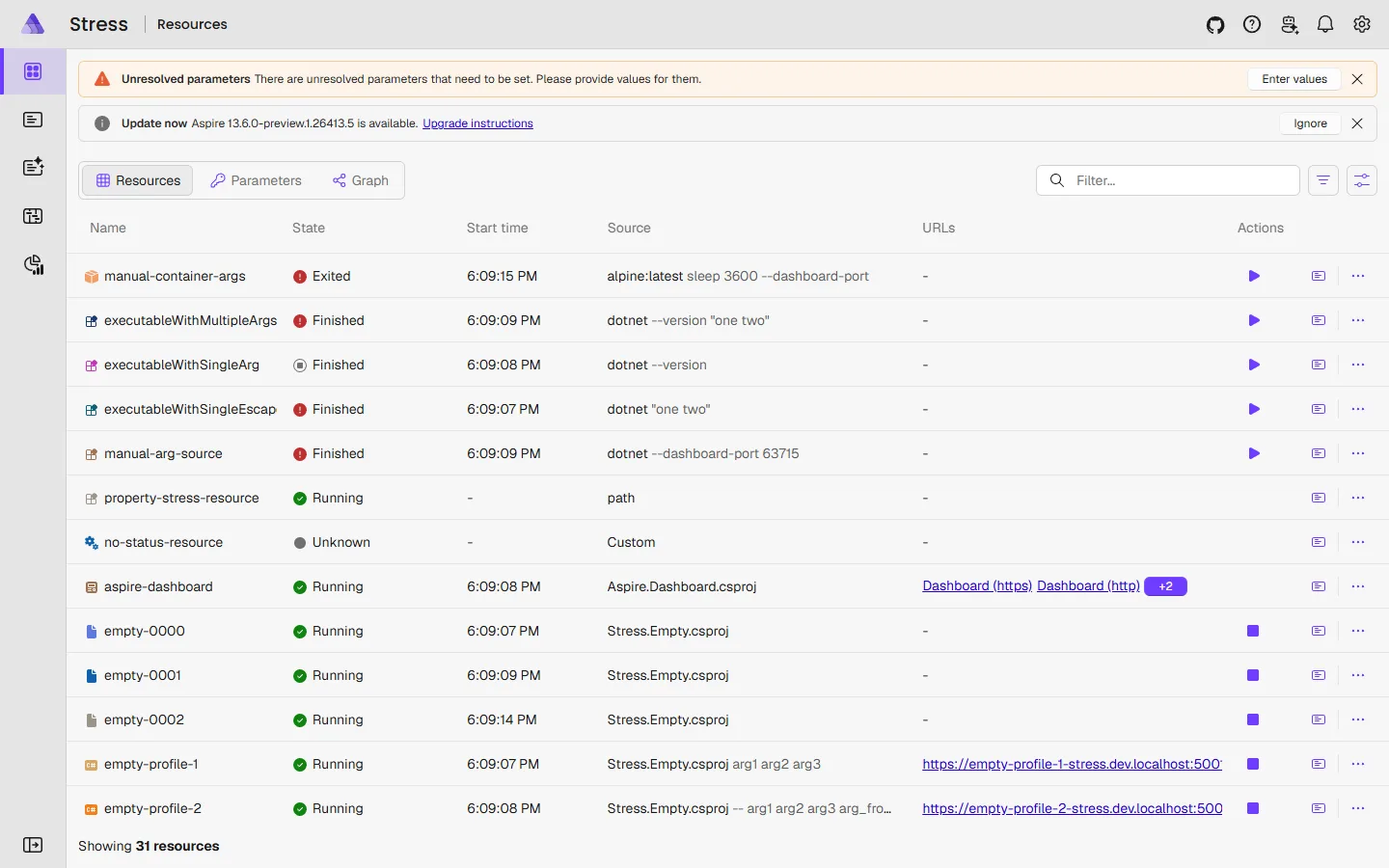
Bringing Native AOT to the Aspire dashboard
Aspire 13.6 brings Native AOT to the dashboard. Explore the startup and deployment benefits, plus the Blazor, Fluent UI, JSON, and Dapper changes that made it possible.
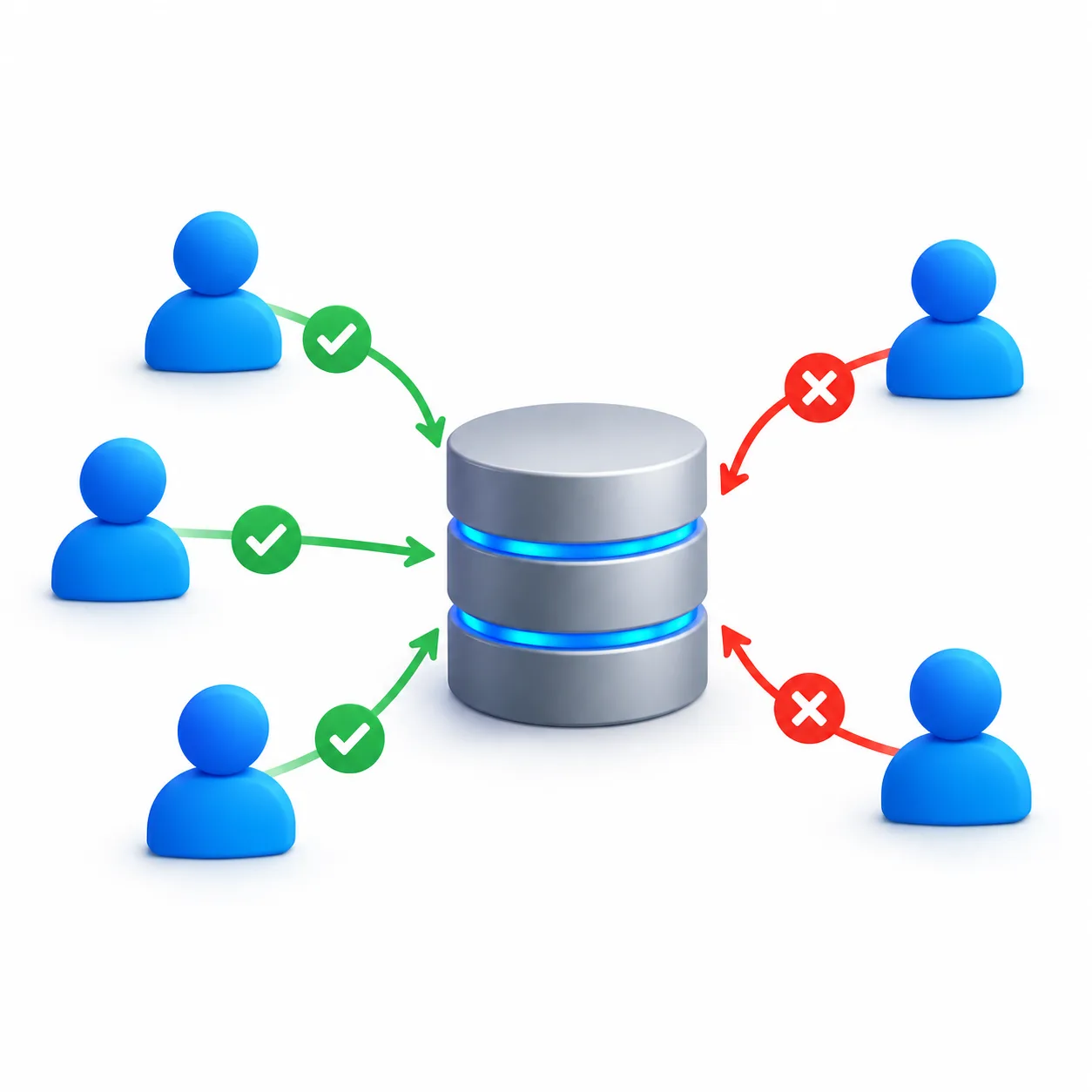
PostgreSQL to SQL Field Notes: Connections
Welcome to SQL First, welcome to SQL! You’re going to like this. Upgrading from PostgreSQL is real work, and depending on your old database, this process will vary widely in complexity. I am confident that you’re going to love the mindful and modern features of SQL. Take your time, make the most of the resources built to help you in Microsoft Learn, and know there is a huge community of SQL developers ready to help along the way. This blog is for the PG developer Good news! The SQL standard is shared across both engines; that should help you get up to speed quickly. However, there are differences, and t...

Is it MSIX? Part 2: Finding Package Identity with APIs

We previously determined how to tell if a process is packaged or unpackaged using Task Manager. Now let's find its package and application identity in code. Windows provides APIs to retrieve package and application identity for a process: If you prefer WinRT: Kernel mode What about kernel mode? Nearly all MSIX APIs require a user-mode caller. The Windows Driver Kit (WDK) provides RtlQueryPackageIdentity() and RtlQueryPackageIdentityEx() for querying package identity from a token. Tools? What about tools to do the same? Onward to Part 3... 1 returns but provides only the Package-Relative Application...
Bring agentic reasoning to Python function apps with Azure Functions Agent bindings (preview)

Add bounded AI reasoning to Python function apps with Azure Functions Agent bindings, while keeping deterministic application code in control.
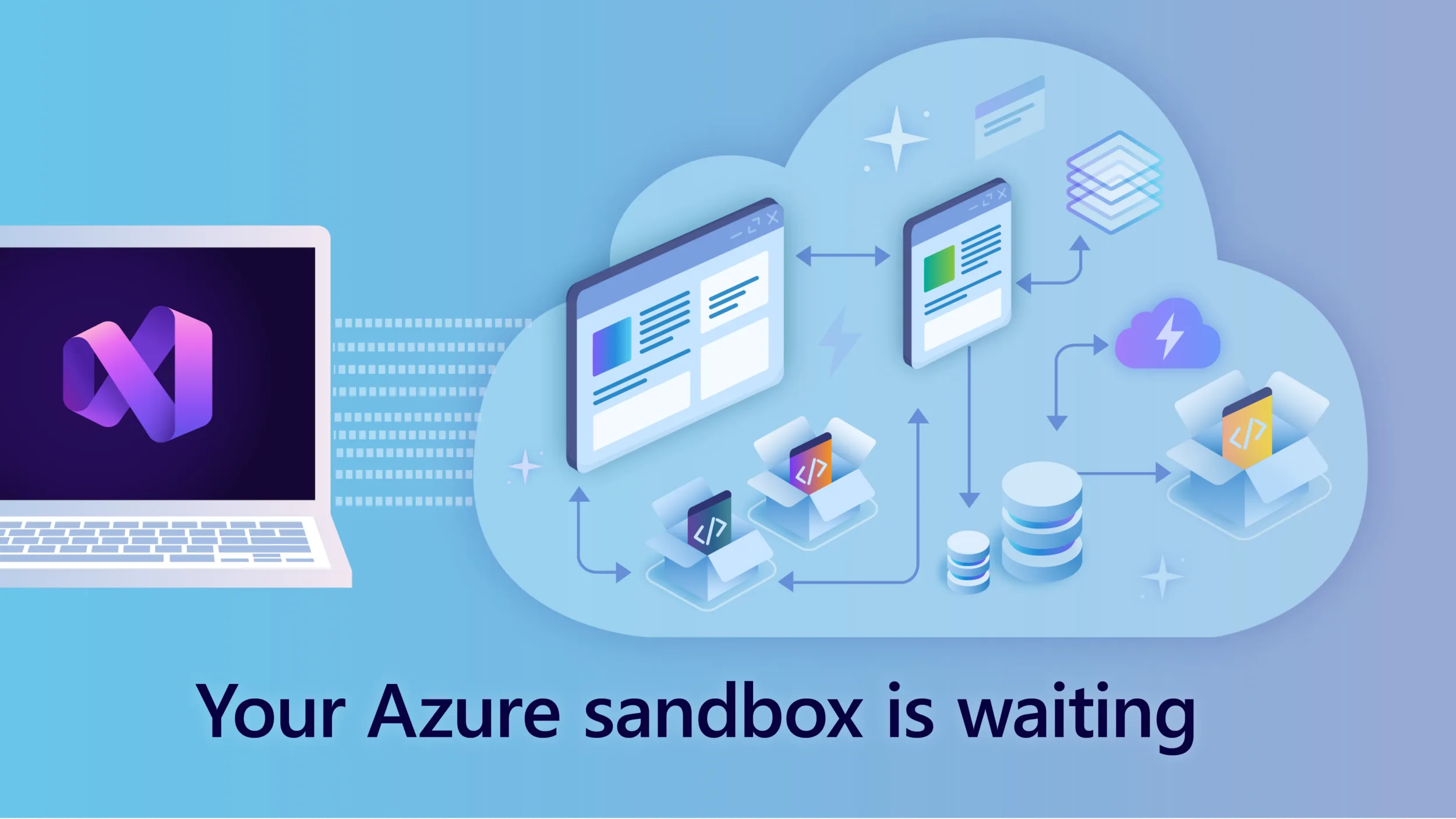
What Would You Build in Azure If You Didn’t Have to Ask for a Budget First?

Maybe you’d deploy that .NET application you’ve been working on. Try a serverless architecture. Experiment with containers. Build a proof of concept. Or spend some time exploring an Azure service you haven’t used yet. If you’re an eligible Visual Studio subscriber, you may already have a personal Azure sandbox waiting for you. Many Visual Studio Subscriptions include Azure credits, giving developers a simple way to explore Azure, build skills, develop applications, and experiment with cloud services without first needing a separate Azure budget. If you haven’t activated yours yet, it’s a Visual St...
Why does the compiler sometimes use ud2 and sometimes int 3 for code that shouldn’t execute?
It shouldn't execute, but for different reasons.
What is Agent Experience (AX)?

Your agent says it's done, and the code compiles, but did it pick your technology? Did it use it correctly? Learn what Agent Experience (AX) is, how to measure it, and why the obvious fix isn't always the right one.
Connect Azure Functions to more services with managed connectors

Learn how Azure Functions managed connectors provide access to 1,700 services, with triggers and typed clients available for supported service connectors, and walk through a sample that automates RFP intake across SharePoint, Azure Content Understanding, and Teams.

UWP and WinUI 3 apps: UI testing with MSTest

Learn how to test UWP and WinUI 3 apps with MSTest and Microsoft.Testing.Platform across packaged, unpackaged, and AppContainer hosts.
From an Empty Folder to an AI Agent: Meet create-cosmos-agent

The first few minutes of a new AI project often feel productive. Create a chat endpoint, connect a model, send a prompt, and display the answer. Then the real questions arrive. Where should the agent store memory? How do we keep one customer's data away from another? How do we trace the source of an answer? What happens when an action requires approval? How do we test the application locally before creating cloud resources? And how do we move to Azure without rebuilding the project? Those questions inspired me to build create-cosmos-agent, an open-source CLI for creating production-oriented TypeScript AI...
If somebody tries to hot-patch an already-hot-patched function, how do they avoid conflicts?
Hot-patching is for Windows, not for you.
I’m the Only Developer on This Project. Do I Really Need RBAC?


You own the account, wrote the application, and would be the one fixing it if something broke. So role-based access control (RBAC) can sound like an answer to a problem you do not have: managing other people. You do not need RBAC for your app to function; account keys still work while key-based authentication is enabled. But for a live Azure Cosmos DB for NoSQL project you intend to keep, identity-based access is the better default, even if you remain its only developer. The reason is not team size. It is reducing the secrets you maintain and giving your code only the access it needs. Neither benefit requir...
Why is there no Windows hot-patching support for other architectures like 32-bit ARM and MIPS?
They either predate hot-patching or never needed it.
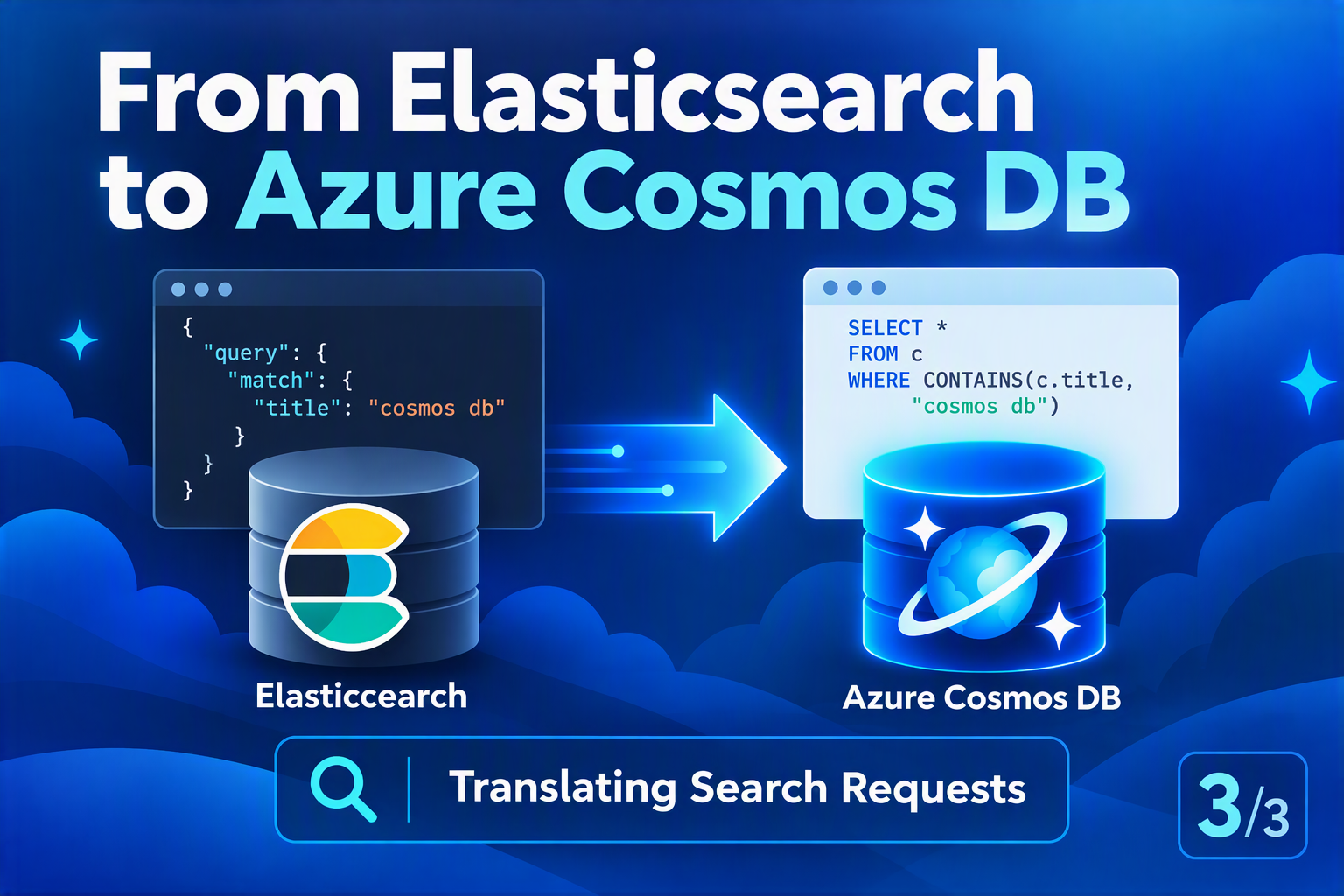
Translating an Elasticsearch Search Request to Azure Cosmos DB

This tutorial shows how common Elasticsearch search requests can be expressed using Azure Cosmos DB query patterns. Some Elasticsearch capabilities map directly to Cosmos DB full-text search functions, while others require separate queries or application-layer handling. Each step shows the closest Cosmos DB pattern and explains what changes in the process. In Elasticsearch, one search request can return hits, highlights, and aggregation buckets together. In Azure Cosmos DB, it is clearer to separate those concerns: one query retrieves ranked results, separate aggregate queries calculate facets, and the applicat...
Data API builder 2.1.5: JSON and Vector Data Type Support, and More


Data API builder (DAB) 2.1.5 is now available as a stable release, and it is about meeting modern data where it lives: documents next to rows, embeddings next to both. This release brings native support for the SQL and data types to the REST and GraphQL endpoints, so the same entities that serve your CRUD traffic can now store and expose document-shaped data and embeddings without custom code. It also introduces DAB as an embeddable NuGet library, hardens the MCP endpoint, moves the engine to .NET 10, and ships a set of security and reliability improvements. Try it today and tell us what you think. What's n...
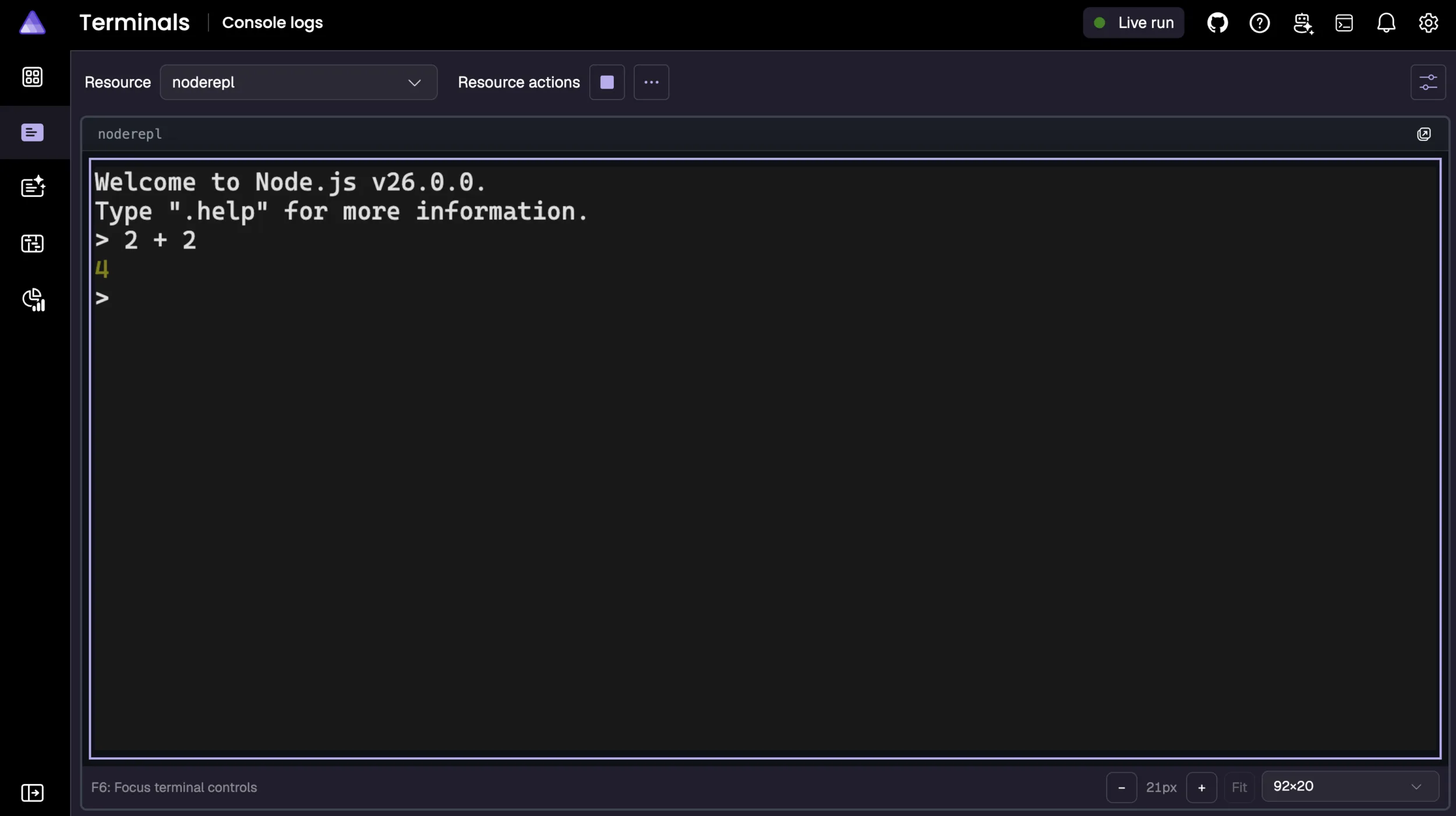
Bringing rich terminal experiences to Aspire

Aspire 13.5 introduced WithTerminal() for interactive terminal sessions on app resources. Aspire 13.6 builds on it with richer terminal emulation and docked terminals for REPLs. See how to enable, attach to, and automate terminal experiences in your app.
Genspark protects live agent sessions with Azure Cosmos DB Global Secondary Indexes

This article was authored by Justin Liu, co-founder and chief architect, Genspark. The work does not end when the prompt does A user comes to Genspark with a goal: research a market, build a presentation, produce a report, analyze a dataset, or complete another complex assignment. Our agents take it from there, working across tools, sources, and multiple steps until the user has a finished result. The request may fit in a sentence; the actual work of the request, though, rarely does. One assignment can involve repeated searches, decisions, tool calls, and revisions. Throughout the process, the agent relie...
Azure Cosmos DB Shell is now available in the Azure portal
You can now open Azure Cosmos DB Shell directly from Data Explorer in the Azure portal. The shell gives you a terminal-style way to work with Azure Cosmos DB. You can move through databases and containers as you would through folders, run NoSQL queries, inspect resources, and update data. When you launch it from Data Explorer, it is already connected to the account you are viewing. Open a shell from Data Explorer Open an Azure Cosmos DB for NoSQL account in the portal, go to Data Explorer, and select Open Cosmos DB Shell from the toolbar. The shell opens in a new tab and connects to the selec...
Windows on Itanium also provided for hot-patching, in an even simpler way
Once again, the benefit of fixed-length instructions.
Advanced Shader Delivery Coming Soon across Windows 11 and Available for Gears of War: E-Day Today

In May, we expanded the public preview of Advanced Shader Delivery (ASD) across the AMD RDNA™ graphics architecture line. This month, we’re extending ASD to additional Windows devices powered by Intel, NVIDIA, and Qualcomm. To kickoff this rollout, we’re showcasing ASD support for Gears of War: E-Day. Advanced Shader Delivery tackles two common PC gaming challenges: long first-launch wait times and shader-related stutter. By delivering precompiled shaders with the game download, ASD reduces the amount of shader work a player’s CPU has to do when the game starts. That helps games launch faster and reduces stutt...
GitHub-hosted agents with Pay-as-you-Go pricing are now generally available in Azure Pipelines

Today, we're announcing the general availability of GitHub-hosted agents and pay-as-you-go pricing in Azure Pipelines. GitHub-hosted agents give teams access to more compute options for their pipelines, including native Apple silicon and larger Linux and Windows machines. Instead of purchasing parallel-job capacity in advance, you pay only for the pipeline execution time you use, based on the selected agent SKU. This release includes: Choose the right compute for each pipeline The GitHub-hosted Agents pool complements the existing Microsoft-hosted Azure Pipelines pool. It runs on the same infrastructure...
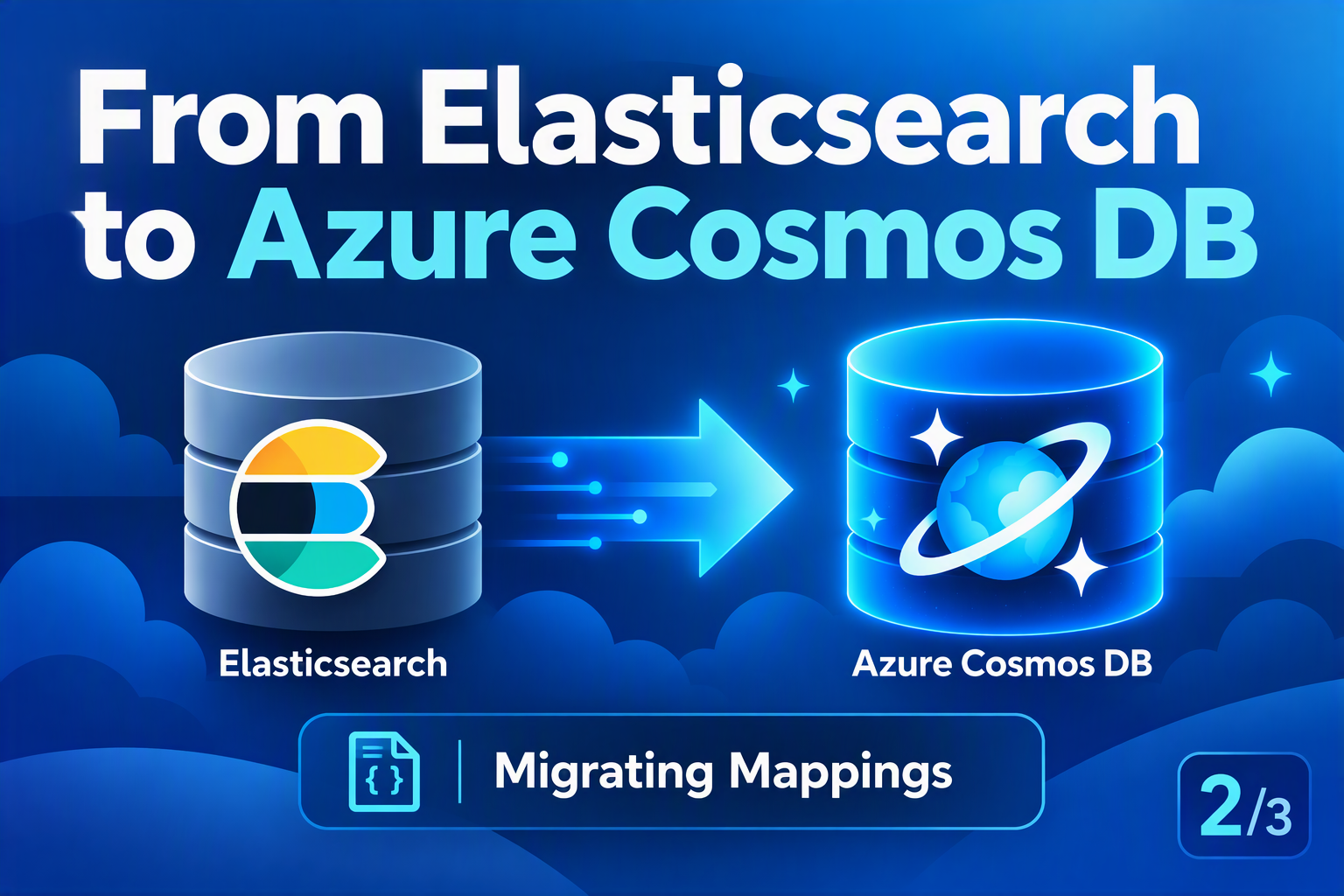
Migrating Elasticsearch Mappings to Azure Cosmos DB
This post focuses on one of the most important design tasks when migrating from Elasticsearch to Azure Cosmos DB: translating an Elasticsearch mapping into Azure Cosmos DB container configuration. In Elasticsearch, a mapping defines how document fields are stored and indexed. Azure Cosmos DB is schema-agnostic, so there is no single mapping document to translate. Instead, distribute the mapping’s intent across the indexing policy, full-text policy, vector policy, and computed properties. The goal is not a line-by-line conversion. It is to preserve the query, filtering, ranking, and retrieval behavior that...
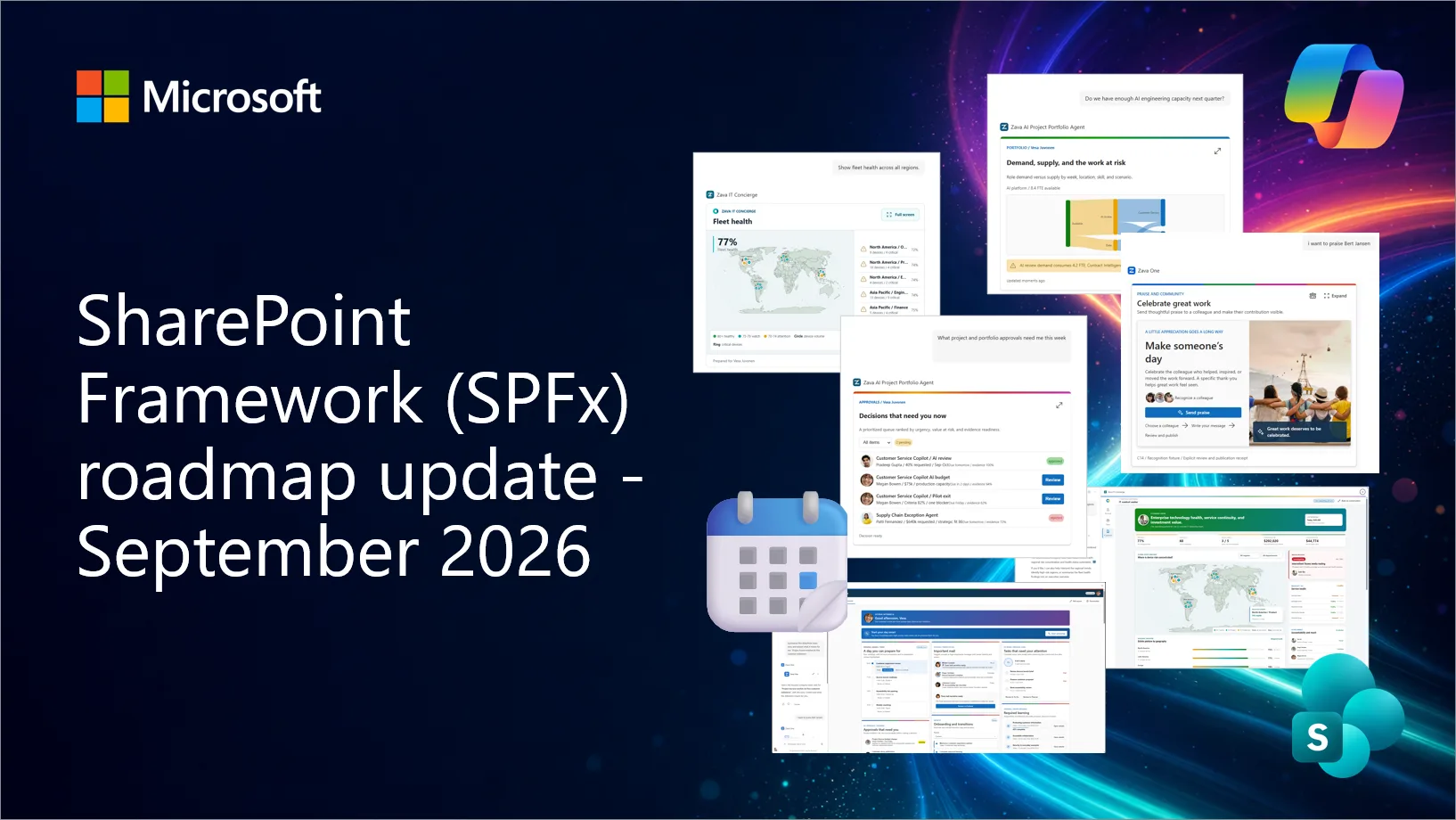
SharePoint Framework (SPFx) roadmap update – September 2026

New Copilot UX components heading to Generally Available in October 2026, SPFx 1.24 Beta 5 is now available, React 18 support is coming in 1.24. Updates coming in Node.js support.
Everything released in September 2026 for Azure Developer CLI

The September recap for the Azure Developer CLI (`azd`). Extension management gains dependency-aware uninstall and versioned contracts, project configuration adds top-level infrastructure and service layers, deployment phases support concurrency limits, and external authentication hosts can use local socket transports.
Introducing DxTimingCaptureLibrary

Today we released DxTimingCaptureLibrary, an open-source C++ library for DirectX developers. It is available on GitHub under the MIT license, and it works on all versions of Windows 10 and 11. DxTimingCaptureLibrary makes it easier to understand DirectX ETW events and bring their rich information into tools such as in-engine game profilers. What is DxTimingCaptureLibrary? ETW (Event Tracing for Windows) is a Windows feature for collecting detailed system and application events with low overhead. DirectX components such as the D3D12 runtime, DXGI, and the DirectX kernel emit ETW events when importan...
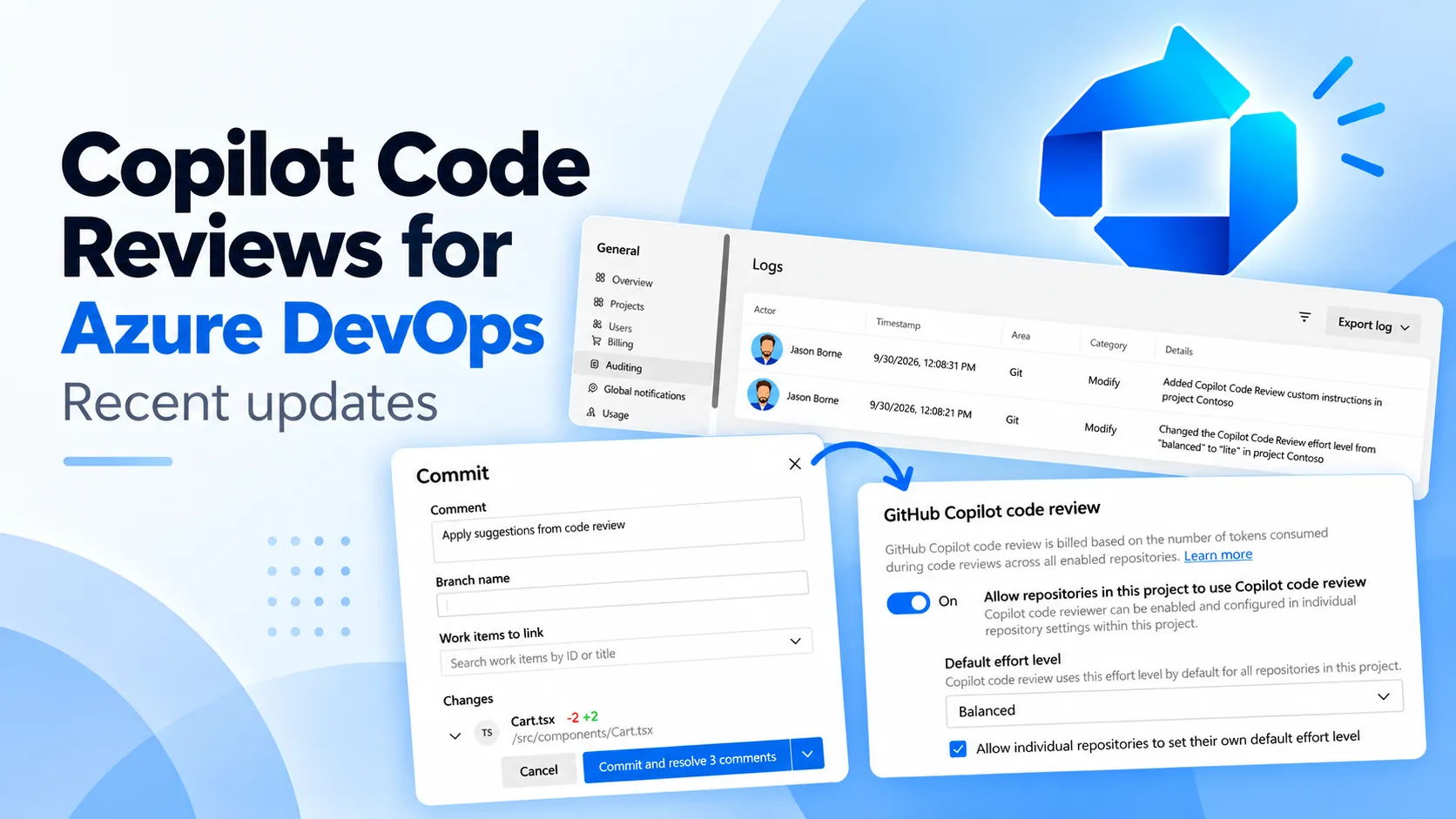
Updates to Copilot Code Reviews for Azure Repos
We announced the public preview of Copilot Code Review for Azure Repos in late August. Since then, we have continued to make improvements, fix bugs, and add new features. We wanted to share an update on some of the recent changes. Effort levels The effort level controls how much time Copilot spends reviewing a pull request. This gives you more control over the depth of the review and can help reduce costs when a detailed code review is not needed. You can set the default effort level to Lite or Balanced at the project and repository level. Project admins can set a default for all repositories in a project, ...
Windows on AArch64 also provides for hot-patching, but it’s much simpler than on x86
Fixed-length instructions makes it a much easier task.
Azure Cosmos DB Migration Guide for Elasticsearch Users
Azure Cosmos DB’s full-text search capabilities can improve price performance and simplify application architecture by consolidating operational data and search in a single service. For customers currently using Elasticsearch, these capabilities create a practical path to bringing operational data and search together in Azure Cosmos DB, particularly when the application’s data already lives there. This guide is for teams evaluating migration from Elasticsearch to Azure Cosmos DB. It explains how the two architectures differ, maps common Elasticsearch search capabilities to their Azure Cosmos DB equivalents, an...
Bring your plugin to Microsoft Copilot with Work IQ Developer Tools


Bring an existing agent plugin into Work IQ Developer Tools (WIQD) and the plugin registry or create a new plugin to utilize the full Microsoft Copilot packaging workflow. A plugin gives Microsoft Copilot new ways to get work done. It packages one or more capabilities, such as skills, MCP servers, or agents, so Copilot can support the workflows that matter to your organization. Starting fresh? Work IQ Developer Tools (WIQD) can help you turn a business problem or inefficient workflow into a plugin that extends what Copilot can do. Most developers will not start with an empty folder. You may already have ...
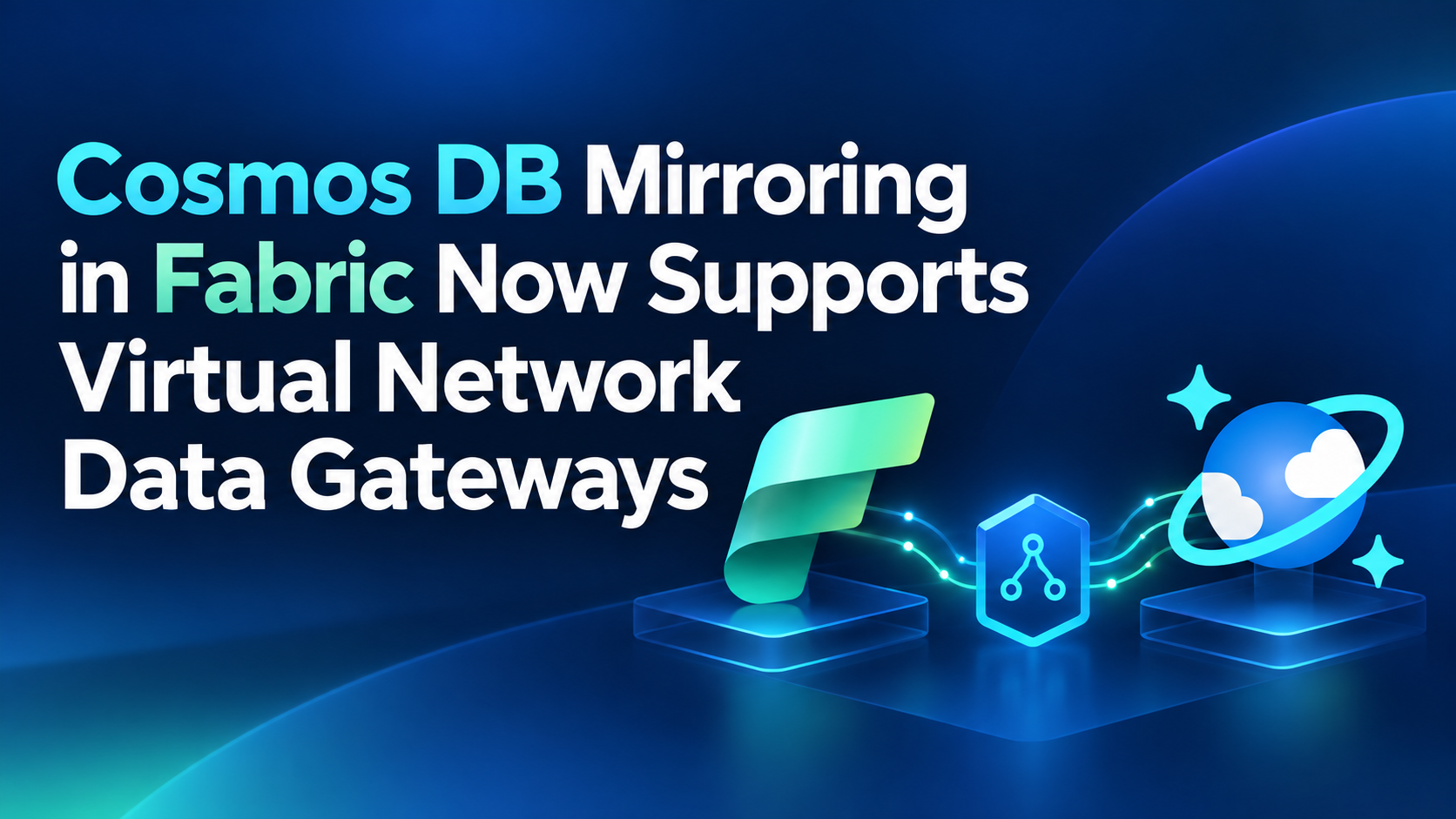
Cosmos DB Mirroring in Fabric Now Supports Virtual Network Data Gateways

Azure Cosmos DB mirroring in Microsoft Fabric now offers a simpler way to connect accounts secured by private endpoints or virtual networks. A virtual network data gateway provisioned inside your own virtual network keeps public network access disabled throughout setup and ongoing replication. This release builds on the general availability of private network support announced earlier this year, and it reflects the feedback we received from enterprise and regulated customers about reducing the configuration effort required to bring secured operational data into OneLake. A simpler path for secured accounts ...
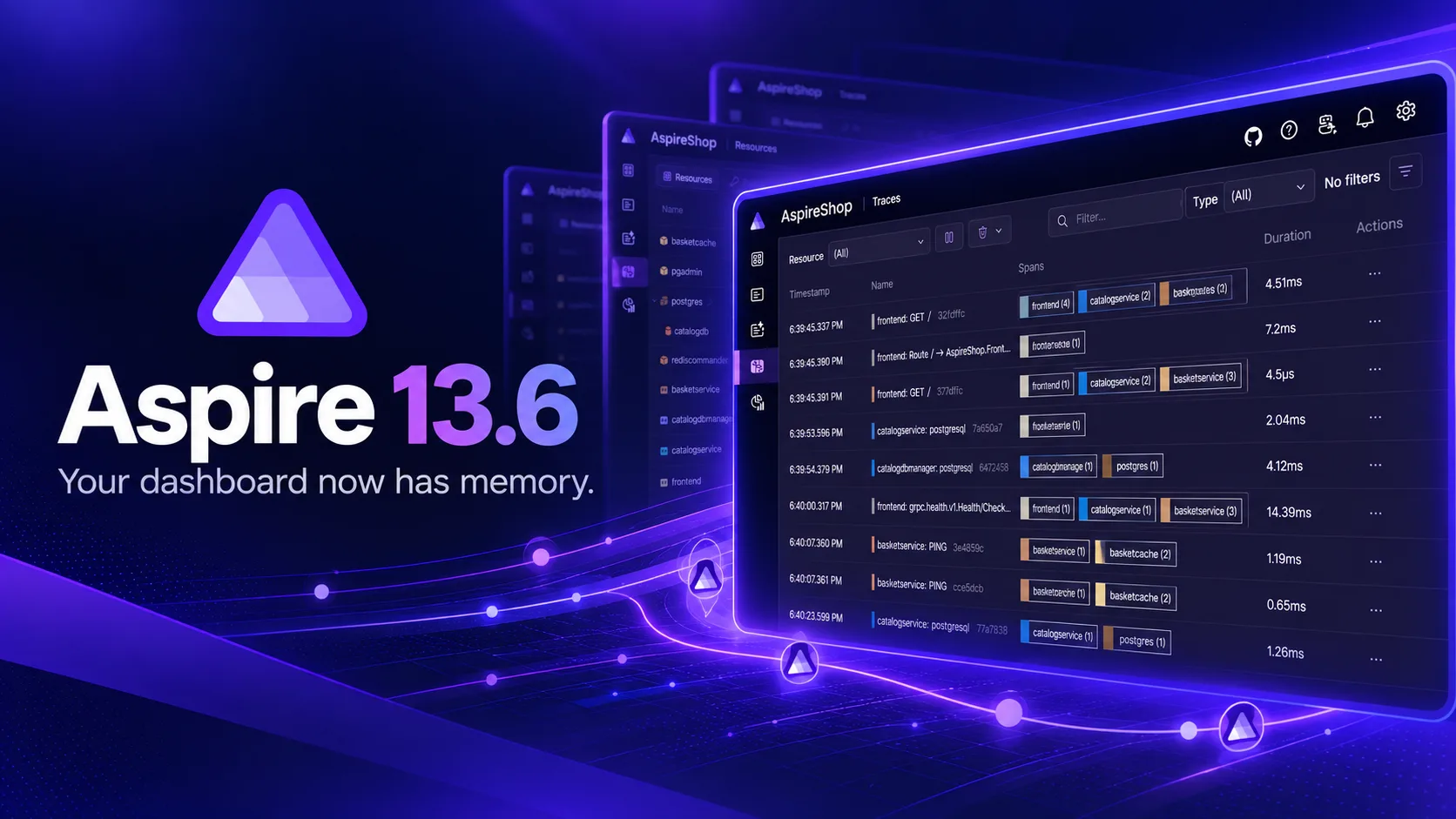
Aspire 13.6: Your dashboard gets memory

Aspire 13.6 keeps dashboard telemetry across runs, opens container exec shells right in the dashboard, adds first-party Java and Rust hosting, introduces portable volume paths, and previews Azure Container Apps Sandboxes.
Why content extraction still matters in the GenAI era

Learn why stronger AI models make trustworthy content extraction more important, how Azure Content Understanding and Azure Document Intelligence serve different needs, and what comes next.
Azure SDK Release (September 2026)

Azure SDK releases every month. In this post, you'll find this month's highlights and release notes.
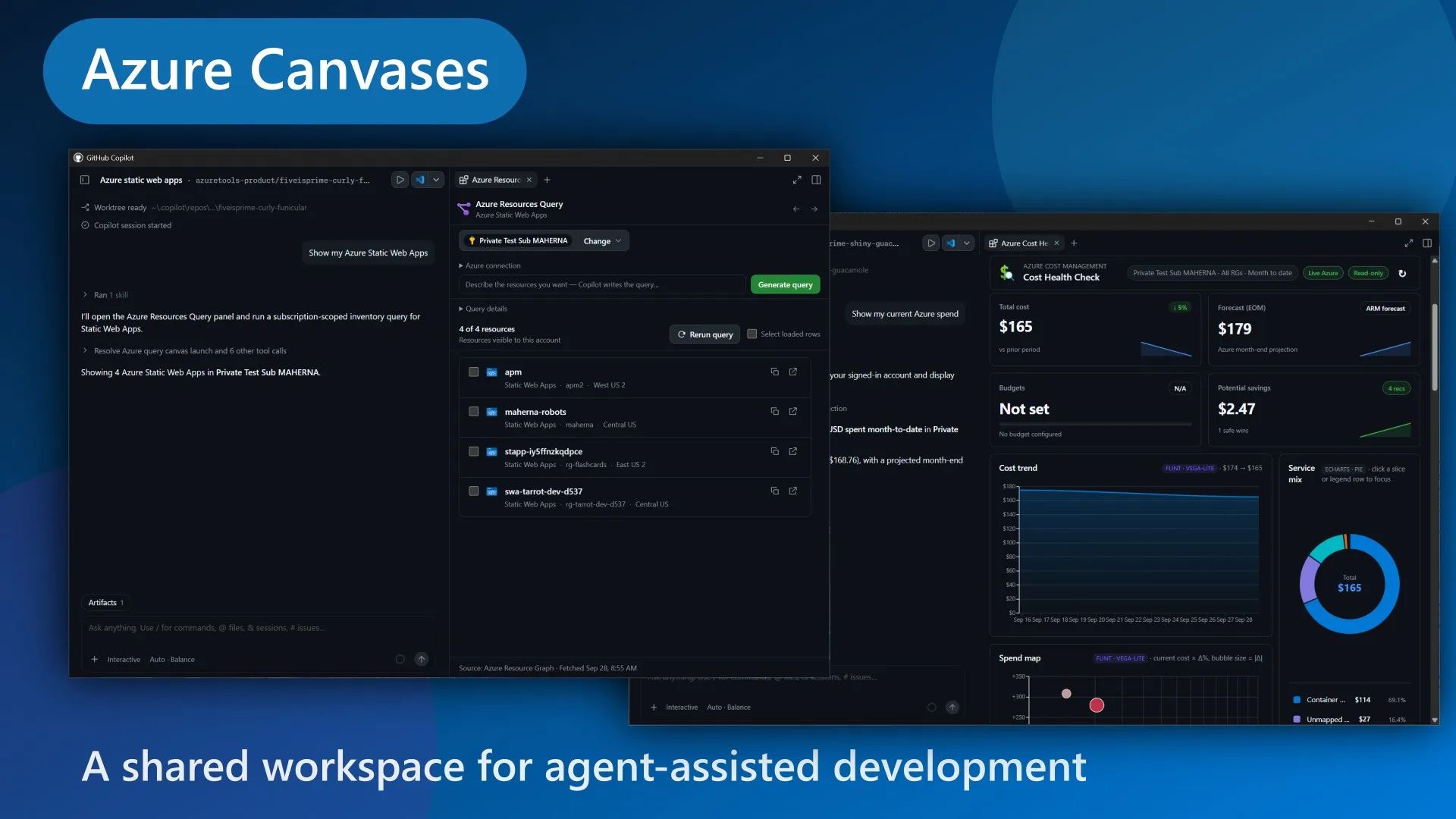
Build with Azure Canvases: a shared workspace for agents

See how Azure Canvases bring plans, code, previews, and deployment feedback together in a collaborative workspace for agent-assisted development.

WSLC Architecture deep dive

WSL containers is now generally available! Check out this blog post to learn more about this overall feature enabling seamless access to Linux containers on Windows via the new “wslc.exe” command. This new Linux container platform comes with multiple architectures changes compared to WSL, which we’ll detail in this post. Session model Similarly to WSL, client processes call into “wslservice.exe”, which is a privileged Windows service. That service has the capability to create virtual machines (via HCS), and use those to run Linux workflows. A key difference with WSL’s architecture though is that wslservice.exe...
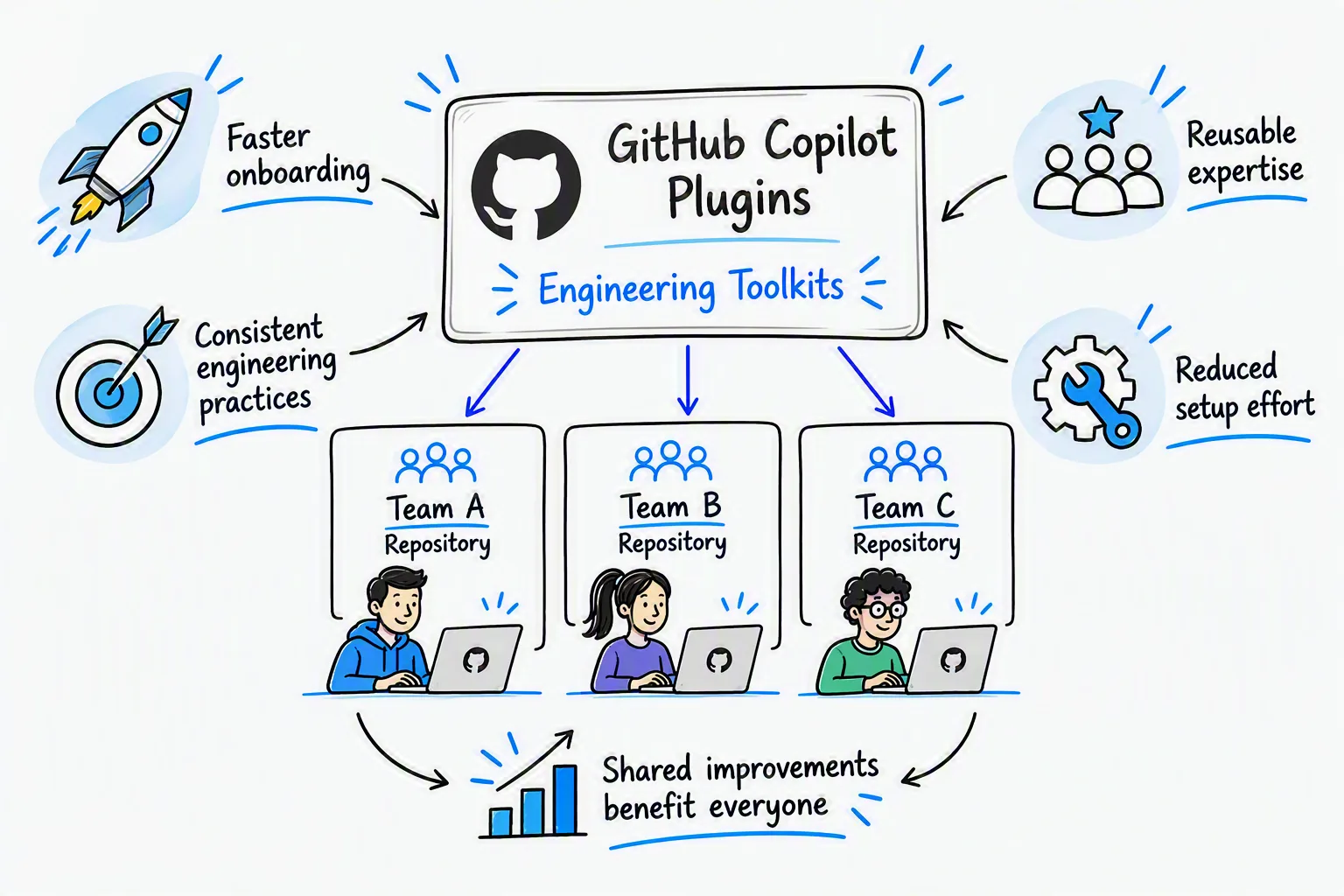
Enabling Consistent AI-Assisted Engineering with GitHub Copilot Plugins


When an engineer or team creates useful agentic artifacts for their daily work (e.g., instructions, skills, and MCP configurations), others naturally want to adopt them when they see how those artifacts could help with their own work. Sharing the files is straightforward, but keeping those consumers supplied with fixes, updated guidance, and compatible tool configurations requires a way to maintain and distribute those artifacts. That challenge shaped our work with a large enterprise customer as we designed and built a migration and modernization toolkit together. Their internal and third-party engineering tea...

Is it MSIX? Part 1: How to Tell if a Process Is Packaged
Overheard in a recent conversation: Enterprise Administrator: "The ***redacted*** application is awesome, but it really should be an MSIX package." Microsoft Developer: "Ummm, it already is." That sparked another question: How can you tell if an application is packaged or unpackaged? Turns out there's a few simple ways to check. The key difference between packaged and unpackaged processes is whether they have package identity. Task Manager provides a convenient way to quickly see this: The list of processes now shows Package name: For example: In this example, ...
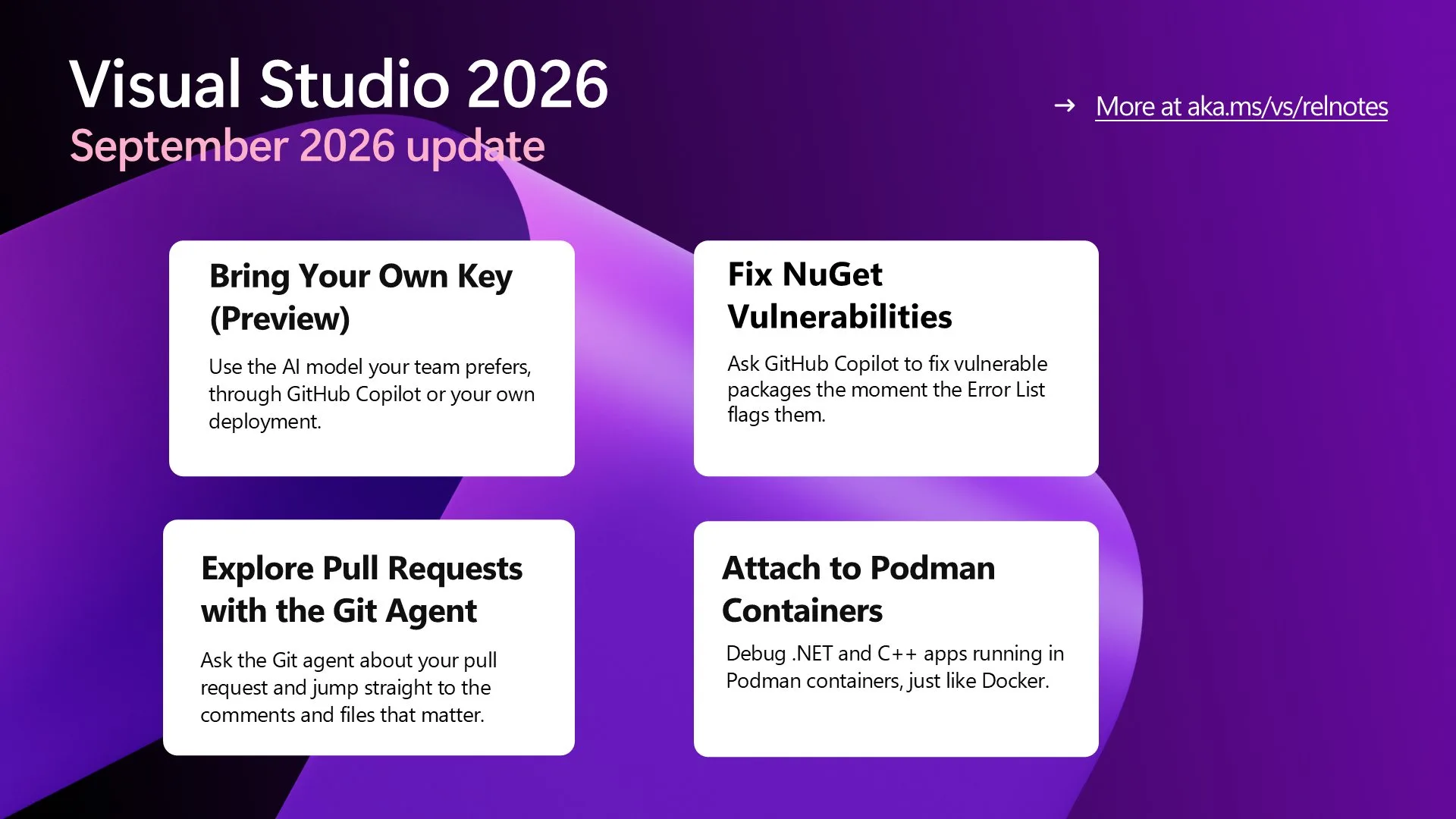
Visual Studio September Update – Power Your Workflow with Your Model

Bring your own AI model with updates to BYOM, fix NuGet vulnerabilities from the Error List, explore pull requests with the Git agent, see which operand decides an if condition, and attach to Podman containers.
DiskANN Vector Index and Vector Search Are Now Generally Available in Azure SQL

Today, we are announcing the general availability of DiskANN Vector Index & Search across Azure SQL Database, Azure SQL Managed Instance with the always-up-to-date update policy, and SQL database in Microsoft Fabric. DiskANN brings scalable approximate nearest-neighbor search directly to the SQL engine. Developers can store vectors alongside relational data and combine vector similarity with the filters, joins, security policies, and transactional data their applications already rely on. Why Vector indexes matter Applications use embeddings to represent the semantic meaning of text, images, products, doc...
As a general rule, calling product support while drunk is not recommended
Swearing is also poor form.
What’s new across Microsoft SQL at SQLCon/FabCon Europe 2026

Live From Barcelona Woo! I’m posting this live from the first ever European SQLCon (joint conference with FabCon EU), and the second ever SQLCon. The energy here is great, as the community comes together in Barcelona and as we prepare to go on the keynote stage and share what’s new! A heartfelt nod to the internal team, our customers, and the community who all contributed to what we are releasing today – the feedback to build to feedback loop is getting tighter, and each is critical for Microsoft SQL to build a better platform. If you're here in Barcelona, the full schedule from the Microsoft SQL product team...
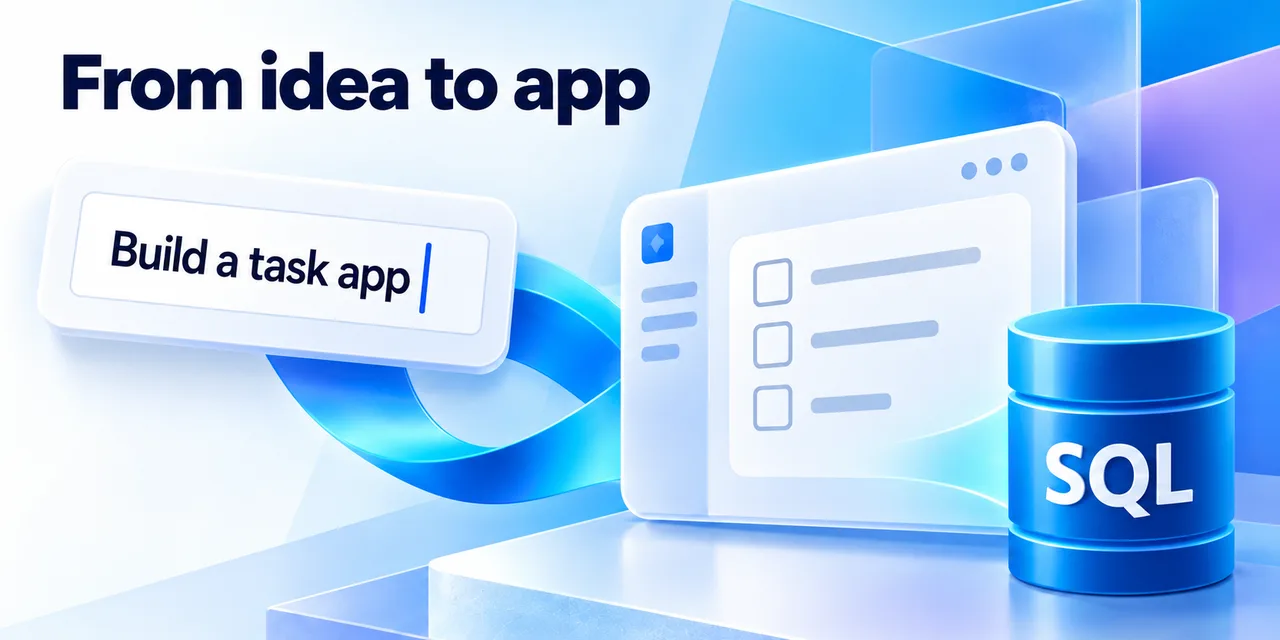
How to build an app on Azure SQL with an AI coding agent

Developers have trusted SQL for decades, since long before AI existed. Now coding agents help choose the database, and they favor the one they can get running in the first few minutes. So today we're shipping two things for that moment. Microsoft SQL Agent Skills teach your coding agent how Azure SQL actually works, so it stops guessing. The Azure SQL Developer Hub hands you a prompt and a free database, and your agent builds a working app from there. Both are open source. Both are live now. Together, they make Azure SQL a database your coding agent can build on, starting with one prompt. In short: Install the...
Announcing Public Preview for Azure Cosmos DB in Fabric Database Hub!
Azure Cosmos DB support in Fabric Database Hub is now available in public preview. For the first time, Azure Cosmos DB customers can discover and monitor their accounts from Database Hub alongside other Microsoft database engines. Database Hub provides a single place to view every Azure Cosmos DB account you can access, compare health and performance, review key security findings, and create new accounts. Your accounts remain in their existing subscriptions, resource groups, and regions. A single view of your Azure Cosmos DB estate Most Azure Cosmos DB customers do not operate a single account. Accoun...
Get started with the GitHub Copilot app: a free, hands-on course

Learn to direct AI coding agents, review their work, and build reliable development workflows with this free GitHub Copilot app course.
MSSQL Extension for VS Code: New Getting Started Page, Agent skills, SQL Formatter, and more

Get started faster with common SQL workflows and resources in one place. The MSSQL extension for VS Code v1.46 introduces a new Getting Started page experience in Public Preview with quick actions, guided walkthroughs, dev container templates, and one-click installation of the latest Microsoft SQL agent skills for GitHub Copilot. Available to all customers starting with this release, the skills can be installed by anyone. This release also brings the SQL Formatter to General Availability with more control over T-SQL style, along with reusable Object Explorer filters and expanded Data API builder capabilities....
Build Agentic UI with the new Blazor AI components

Build Agentic UI with the new Blazor AI components for streamed content, tools, approvals, shared state, and generative experiences.
SQLAlchemy 2.1 brings built-in support for mssql-python

We're pleased to share that SQLAlchemy 2.1.0 is now generally available, with built-in support for mssql-python, Microsoft's Python driver for SQL Server. You can now use it with SQLAlchemy's ORM and Core APIs through the first-party dialect. If SQLAlchemy is already part of how you build, we want this to feel like a natural next step - not another thing to learn. The goal is simple: help you connect to SQL Server and Azure SQL with less setup, while keeping the tools and patterns you know. This integration is now part of the production release, and SQLAlchemy 2.1 is the version installed by default when y...
Announcing the Public Preview of Local Time Zone Support in Azure SQL Database

We are thrilled to announce the public preview of local time zone support in Azure SQL Database. Starting today, you can configure the time zone directly at the database or session level — all from T-SQL, without changing any infrastructure settings. This feature addresses one of the most consistently requested capabilities from the Azure SQL community, and it brings Azure SQL Database into alignment with ANSI SQL standard and competitors such as PostgreSQL, MySQL, and Oracle. Background SQL Server on Windows and Linux inherits the time zone from the host operating system, giving customers full contro...
C++ reminder: Function-local static variables are initialized only once, even if it looks like they get initialized multiple times
Only on first execution.
Visual Studio Code CMake Tools 1.24

CMake Tools 1.24 includes several reliability fixes and productivity improvements. You can run tests from the editor, save preset-backed cache edits as user overrides, and keep source-file lists up to date. See the CMake Tools release page and full changelog for details. Thank you to the community contributors whose work is included in these updates: Run and debug CTest tests from the editor Discovered CTest tests with resolved source locations now have Run and Debug CodeLens actions in the editor. These complement the existing Run and Debug actions and source navigation in the Pr...
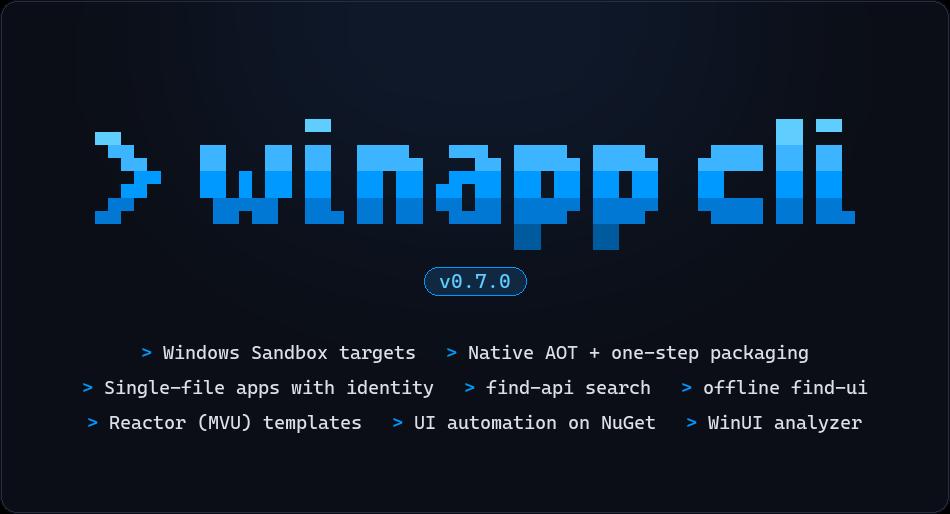
WinAppCLI v0.7.0 – Windows Sandbox automation, Native AOT support, single-file applications, and more

Windows App Development CLI v0.7.0 has shipped, and we're excited to share it. Here are the highlights: Grab it with winget install Microsoft.WinAppCLI, or head to the repo for npm and other install options. Here's a tour of what's new. 🏝️ Run and automate your app in Windows Sandbox The new --on sandbox option runs your app inside a persistent Windows Sandbox instead of on your desktop. You build on your machine as usual, and WinApp deploys, registers, launches, and UI-automates the app inside the guest. The app is never installed on your host, and ...
AG-UI Protocol now has a first-class .NET SDK
The new AG-UI .NET SDK enables .NET services to expose and consume interoperable agent endpoints using Microsoft.Extensions.AI.
Debugging walkthrough: Access violation on nonsense instruction, episode 3
Trying to figure out what the interloper was trying to.
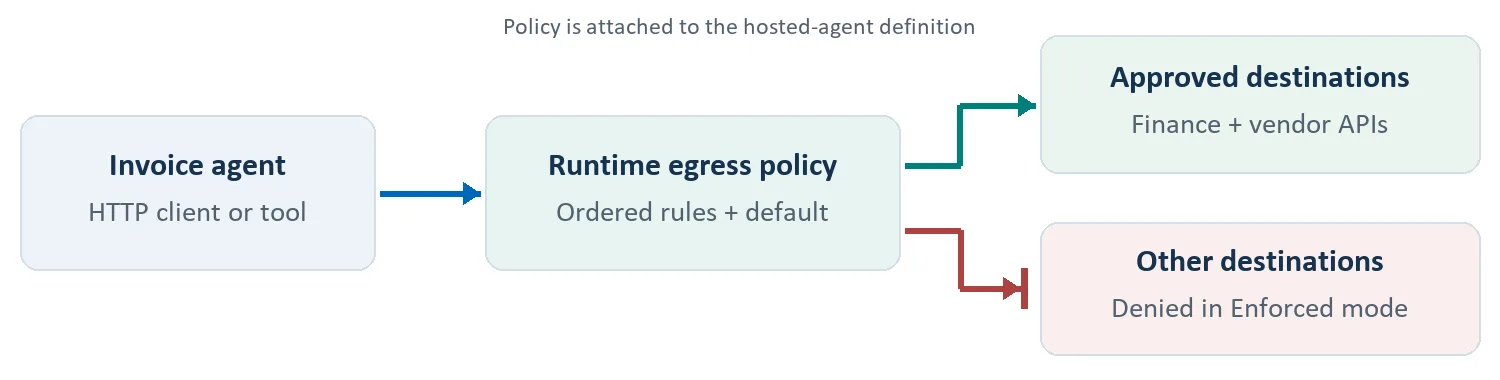
Control where your hosted agent connects with network egress in Foundry Agent Service

Define and attach an outbound policy to a hosted agent in Microsoft Foundry, observe calls in Audit, and verify allowed and denied destinations under Enforced mode.

From Chatbots to Automated Agents: Routines in Microsoft Foundry Are Now Generally Available

Agents are rapidly evolving beyond chat. The first generation of agents waited for a person to send a message. Today, organizations want agents that can monitor work, respond to business events, and continue tasks over time. An agent might triage a newly opened GitHub issue, respond when a message appears in a Microsoft Teams channel, prepare a report every morning, or check back on a long-running process until it finishes. Building that automation yourself is difficult. You need schedulers, event listeners, webhooks, queues, infrastructure, authentication, run history, and monitoring—before you can focus on t...
What’s new in Microsoft Agent Framework: Interactive experiences, memory, and resilient execution

An agent that answers a question is a starting point. An agent that completes useful work needs more: an interface users can interact with, memory beyond the current conversation, an appropriate environment for executing code, and a way to recover when work is interrupted. Recent Microsoft Agent Framework updates address those needs across .NET and Python. Here’s how to use them—from connecting an agent to your application to running and debugging longer-lived workflows. Prerequisites and setup Sign in with az login. Set FOUNDRY_PROJECT_ENDPOINT to your Foundry project endpoint and FOUNDRY_MODEL to your depl...
No, really, you need to pass all unhandled messages to DefWindowProc, part 2
Another example to add to the list.