
Azure SQL Dev Corner
Voices from the Azure SQL PM Team, focusing on development and developers
Latest posts

Canada’s 2026 time zone updates: guidance for Microsoft SQL

Affected locations in British Columbia, Alberta, and Manitoba will not turn their clocks back at 02:00 local time on November 1, 2026. They will remain at UTC−07:00, UTC−06:00, and UTC−05:00, respectively. Microsoft’s interim guidance for British Columbia, Alberta, and Manitoba describes the new Windows time zones and temporary workarounds. SQL Server on Windows requires the applicable Windows update—not a separate SQL Server product update. For SQL Server on Linux, Azure SQL Database, and Azure SQL Managed Instance, the following guidance applies when the new regional time zones are not yet available in ...
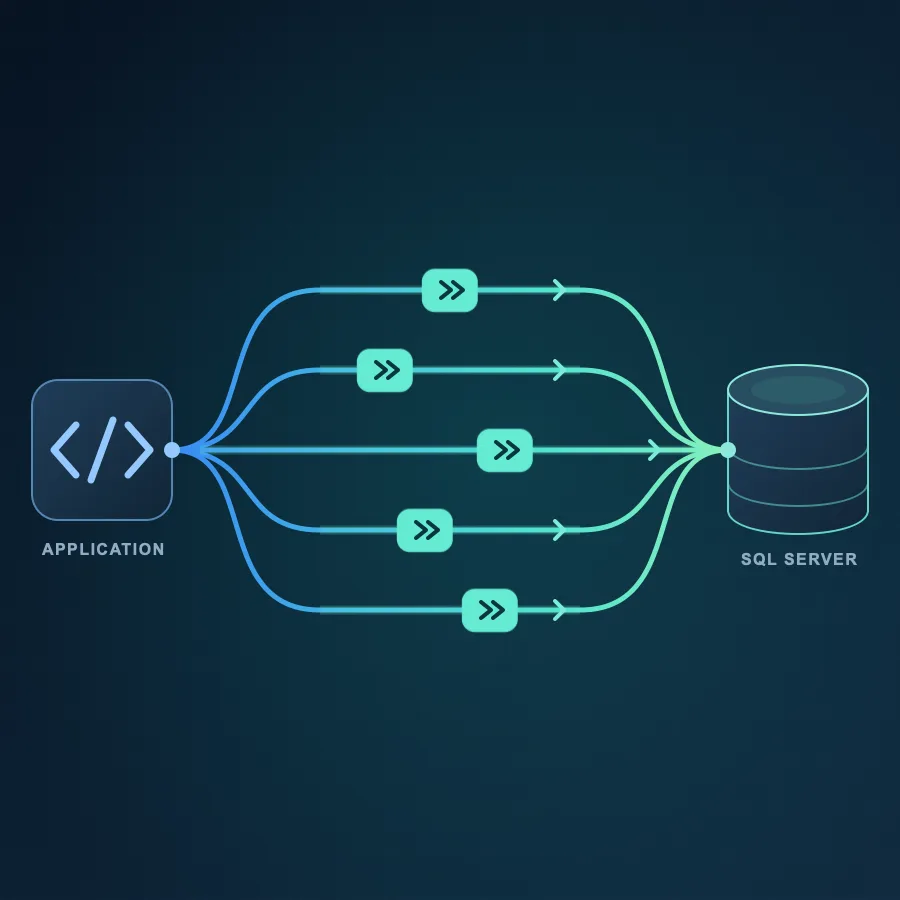
Try SqlClient’s new connection pool for faster parallel connections

You told us that applications using can take too long to establish the database connections they need. When many requests need connections at the same time, waiting for the connection pool to grow can delay application readiness and increase latency. This can happen even in common situations like querying several pieces of metadata during startup or receiving a burst of traffic after a quiet period. ’s new connection pool (Pool V2) is designed to address this problem by establishing new connections concurrently, allowing the pool to respond more quickly when multiple requests need new connections at the same tim...
Upcoming SQL and AI Events to Put on Your Calendar

Developers, database administrators, data professionals, architects and technology decision makers have several opportunities to connect, learn and gain hands-on experience this fall. 2027 Q4 SQL Events Get hands-on with SQL and AI The Friday workshops are led by the SQL product group! They provide a full day of practical learning before the community conferences begin. This AI workshop is designed for SQL developers, database administrators, application developers, architects and other data professionals who want to build AI-powered applications without abandoning the SQL tools and security model they alr...
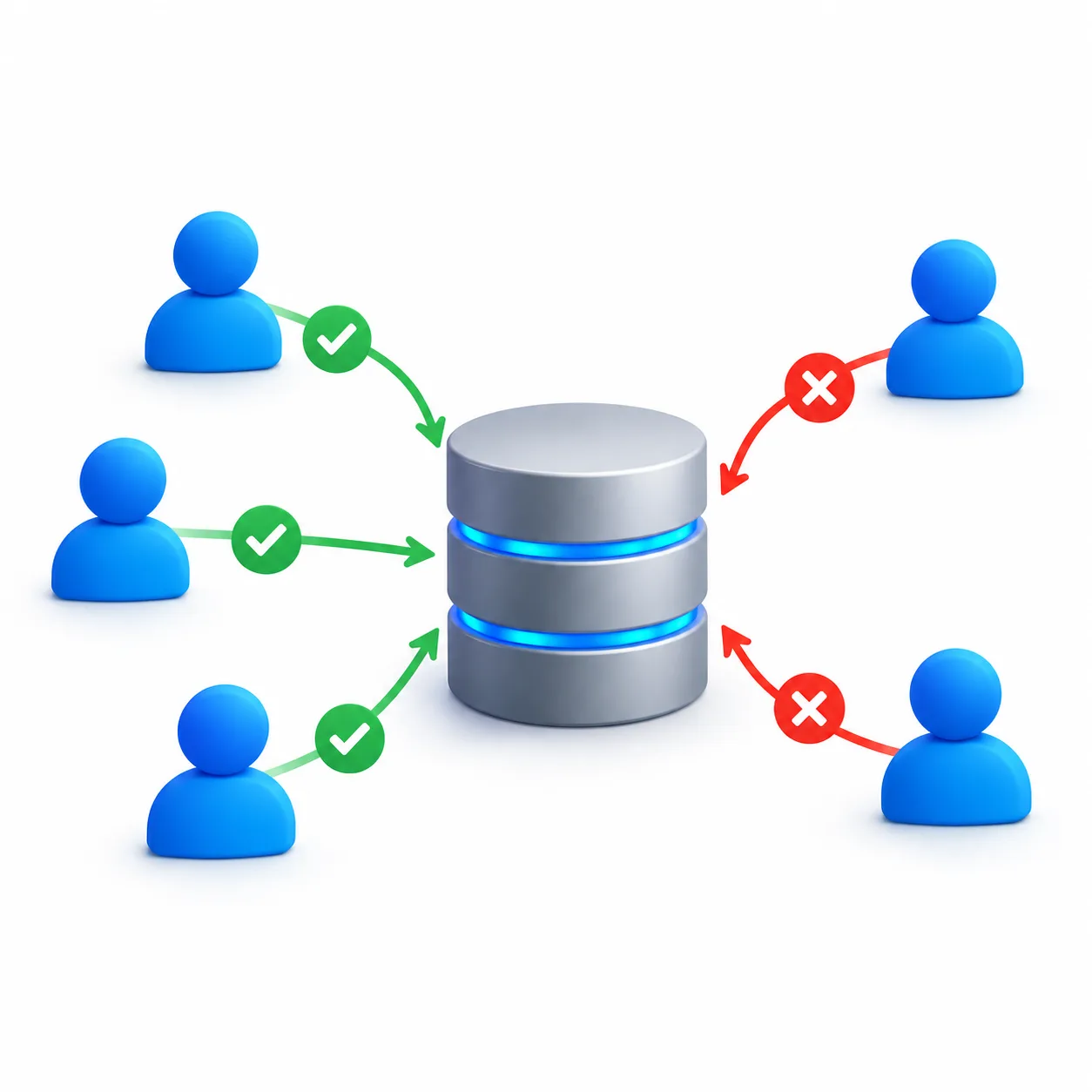
PostgreSQL to SQL Field Notes: Connections
Welcome to SQL First, welcome to SQL! You’re going to like this. Upgrading from PostgreSQL is real work, and depending on your old database, this process will vary widely in complexity. I am confident that you’re going to love the mindful and modern features of SQL. Take your time, make the most of the resources built to help you in Microsoft Learn, and know there is a huge community of SQL developers ready to help along the way. This blog is for the PG developer Good news! The SQL standard is shared across both engines; that should help you get up to speed quickly. However, there are differences, and t...
Data API builder 2.1.5: JSON and Vector Data Type Support, and More


Data API builder (DAB) 2.1.5 is now available as a stable release, and it is about meeting modern data where it lives: documents next to rows, embeddings next to both. This release brings native support for the SQL and data types to the REST and GraphQL endpoints, so the same entities that serve your CRUD traffic can now store and expose document-shaped data and embeddings without custom code. It also introduces DAB as an embeddable NuGet library, hardens the MCP endpoint, moves the engine to .NET 10, and ships a set of security and reliability improvements. Try it today and tell us what you think. What's n...
DiskANN Vector Index and Vector Search Are Now Generally Available in Azure SQL

Today, we are announcing the general availability of DiskANN Vector Index & Search across Azure SQL Database, Azure SQL Managed Instance with the always-up-to-date update policy, and SQL database in Microsoft Fabric. DiskANN brings scalable approximate nearest-neighbor search directly to the SQL engine. Developers can store vectors alongside relational data and combine vector similarity with the filters, joins, security policies, and transactional data their applications already rely on. Why Vector indexes matter Applications use embeddings to represent the semantic meaning of text, images, products, doc...
What’s new across Microsoft SQL at SQLCon/FabCon Europe 2026

Live From Barcelona Woo! I’m posting this live from the first ever European SQLCon (joint conference with FabCon EU), and the second ever SQLCon. The energy here is great, as the community comes together in Barcelona and as we prepare to go on the keynote stage and share what’s new! A heartfelt nod to the internal team, our customers, and the community who all contributed to what we are releasing today – the feedback to build to feedback loop is getting tighter, and each is critical for Microsoft SQL to build a better platform. If you're here in Barcelona, the full schedule from the Microsoft SQL product team...
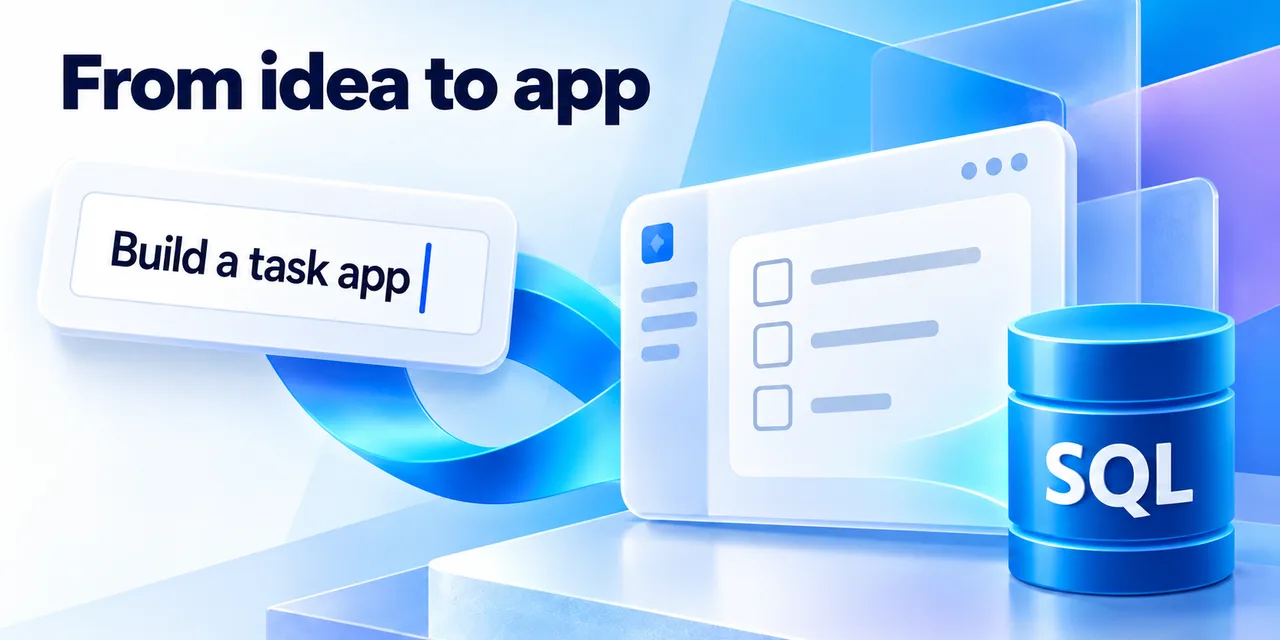
How to build an app on Azure SQL with an AI coding agent

Developers have trusted SQL for decades, since long before AI existed. Now coding agents help choose the database, and they favor the one they can get running in the first few minutes. So today we're shipping two things for that moment. Microsoft SQL Agent Skills teach your coding agent how Azure SQL actually works, so it stops guessing. The Azure SQL Developer Hub hands you a prompt and a free database, and your agent builds a working app from there. Both are open source. Both are live now. Together, they make Azure SQL a database your coding agent can build on, starting with one prompt. In short: Install the...
MSSQL Extension for VS Code: New Getting Started Page, Agent skills, SQL Formatter, and more

Get started faster with common SQL workflows and resources in one place. The MSSQL extension for VS Code v1.46 introduces a new Getting Started page experience in Public Preview with quick actions, guided walkthroughs, dev container templates, and one-click installation of the latest Microsoft SQL agent skills for GitHub Copilot. Available to all customers starting with this release, the skills can be installed by anyone. This release also brings the SQL Formatter to General Availability with more control over T-SQL style, along with reusable Object Explorer filters and expanded Data API builder capabilities....