
Q# Blog
Quantum Development
Latest posts
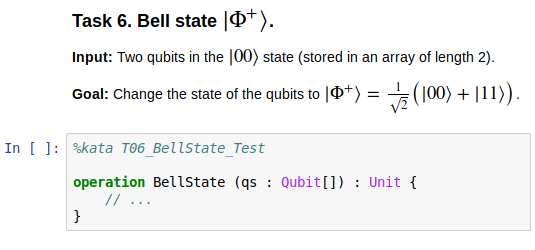
Inside the Quantum Katas, part 1

Learn about the internal structure of the Quantum Katas - our collection of self-paced programming exercises on quantum computing - and their most important component – the testing harnesses that provide the learner immediate feedback on their solutions.

Interning at Microsoft Quantum – 2021
We announce Microsoft Quantum internships for summer 2021, share some fun facts about the internships of the summer past, and highlight some of the things that are going to be new next summer.
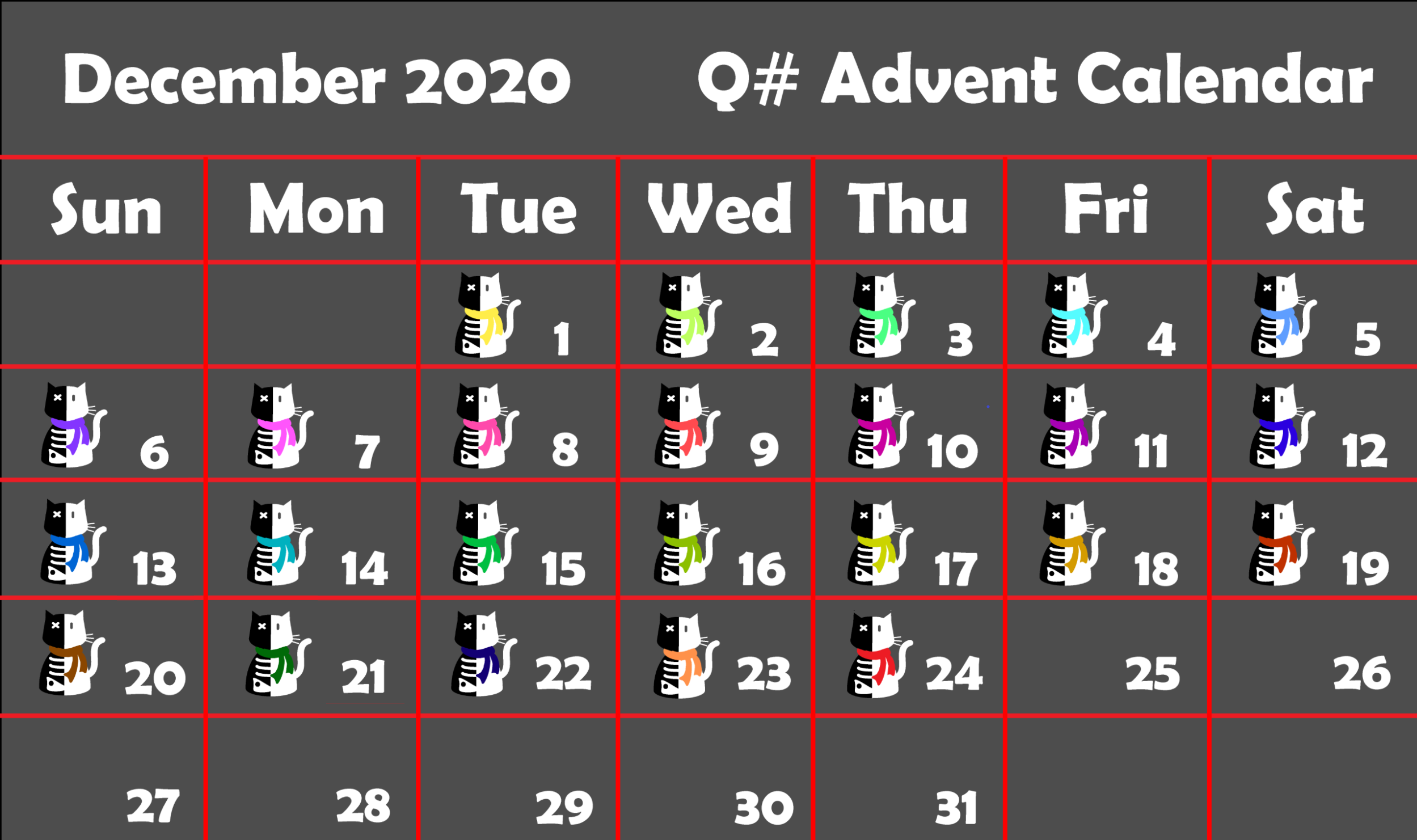
Q# Advent Calendar 2020
Q# Advent Calendar is a blogging event in which every day in December one awesome community member writes a blog post about Q#. We hosted one in <a href="https://devblogs.microsoft.com/qsharp/q-advent-calendar-2018/">2018</a> and in <a href="https://devblogs.microsoft.com/qsharp/q-advent-calendar-2019/">2019</a>; let's do it again!
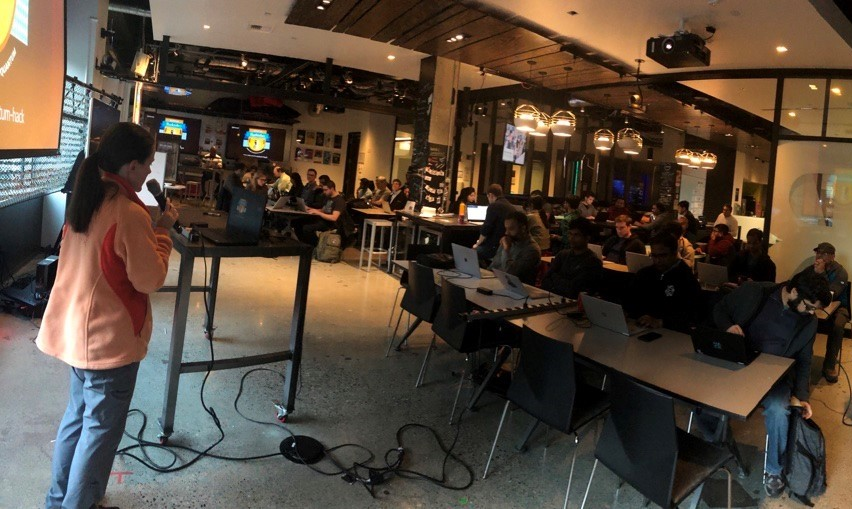
Celebrating our open source community with Hacktoberfest
It is October, and this means it's time for Hacktoberfest - an annual celebration of open source! Meet our newest maintainer and learn how to participate in the Quantum Hacktoberfest.
Introducing Quantum Intermediate Representation (QIR)

QIR is a new Microsoft-developed intermediate representation for quantum programs. This post describes QIR and provides pointers to the specification and source code.

Build your own Q# simulator – Part 3: A circuit-diagram builder with ⟨q|pic⟩

We implement a custom simulator that generates a quantum circuit diagram in the ⟨q|pic⟩ format from Q# program execution traces.
Build your own Q# simulator – Part 2: Advanced features for the reversible simulator
This post is the second in a series on how to write your own Q# simulators. In this part we describe advanced features to extend the reversible simulator from the first post in the series.
Build your own Q# simulator – Part 1: A simple reversible simulator
Simulators are a particularly versatile feature of the QDK. This post is the first in a series that teaches you how to write your own simulators, thereby broadly extending the scope of Q#.
Extending the Q# Compiler

In this blog post, I would like to talk about a feature that is especially interesting when it comes to new ways for you to incorporate your own ideas and vision into our tools: Custom compilation steps, which allow you to extend and customize the Q# compilation process.