
Microsoft
Developer Blogs
Get the latest information, insights, and news from Microsoft.
Highlights
Copilot Studio gets faster with .NET 10 on WebAssembly
Microsoft Copilot Studio recently upgraded its .NET WebAssembly engine to .NET 10. The migration was straightforward, simplified deployment, and delivered another round of meaningful performance gains for end users.
Read moreClick to read more about this postSQL query generation from natural language
Evaluating AI agents for NL-to-SQL generation across Azure Databricks AI/BI Genie, GitHub Copilot CLI, and Microsoft Agent Framework. We achieved ~75% accuracy with schema documentation and runtime validation, while discovering that business logic errors represent a fundamental limitation requiring domain expertise.
Read moreClick to read more about this postDurable Workflows in the Microsoft Agent Framework
Build durable AI agent workflows with the Microsoft Agent Framework. Start with in-process console apps, add durability with the Durable Task runtime, scale with parallel AI agents, and host on Azure Functions for serverless execution.
Read moreClick to read more about this postLatest posts

Feb 19, 2026
Post comments count3
Post likes count6
Microsoft Agent Framework Reaches Release Candidate

We're happy to announce that Microsoft Agent Framework is now in Release Candidate status for both .NET and Python. Release Candidate is an important milestone on the road to General Availability — it means the API surface is stable, and all features that we intend to release with...
Microsoft Foundry Blog
Feb 19, 2026
Post comments count2
Post likes count2
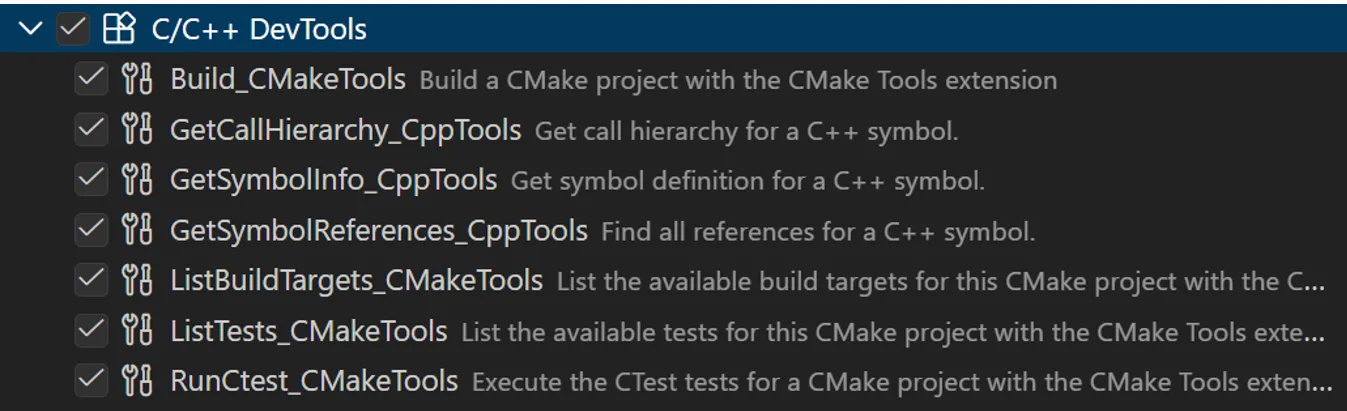
C++ symbol context and CMake build configuration awareness for GitHub Copilot in VS Code

C++ code navigation and build system tooling play an important role in the developer inner-loop. Code navigation tooling provides a precise, semantic understanding of your codebase, while build system tooling helps you express build configurations and variants for reproducible builds. In...
C++ Team Blog
Feb 19, 2026
Post comments count7
Post likes count9
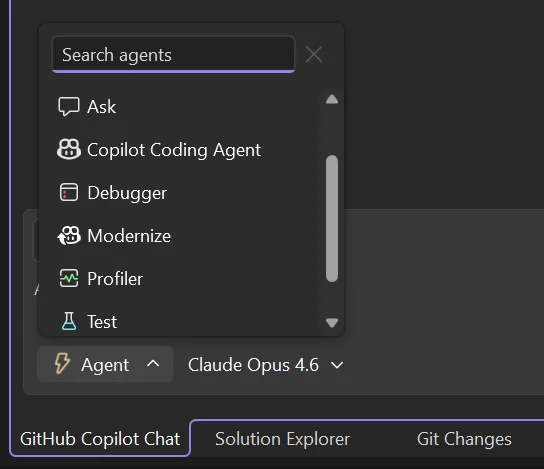
Custom Agents in Visual Studio: Built in and Build-Your-Own agents


Rhea,
Kelly
Agents in Visual Studio now go beyond a single general-purpose assistant. We're shipping a set of curated preset agents that tap into deep IDE capabilities; debugging, profiling, testing alongside a framework for building your own custom agents tailored to how your team works.
Built in...
Visual Studio Blog

Feb 19, 2026
Post comments count1
Post likes count6
Exploring the signals the dialog manager uses for dismissing a dialog

Summarizing the flow.
The Old New Thing
Feb 19, 2026
Post comments count11
Post likes count5
Microsoft C++ (MSVC) Build Tools v14.51 Preview Released: How to Opt In

Today we are releasing the first preview of the Microsoft C++ (MSVC) Build Tools version 14.51. This update, shipping in the latest Visual Studio 2026 version 18.4 Insiders release, introduces many C++23 conformance changes, bug fixes, and runtime performance improvements. Check out the...
C++ Team Blog
Feb 18, 2026
Post comments count0
Post likes count1
What's new in Microsoft Foundry | Dec 2025 & Jan 2026

Catch up on all the new models, audio updates, fine-tuning expansions, and SDK updates from Microsoft Foundry spanning December 2025 and January 2026 — including GPT-5.2, Codex Max, DeepSeek V3.2, FLUX.2, and the azure-ai-projects v2 beta consolidation.
Microsoft Foundry Blog
Feb 18, 2026
Post comments count2
Post likes count5
Python Environments Extension for VS Code

The February 2026 release This release includes the Python Environments extension... Keep on reading to learn more!
Microsoft for Python Developers Blog

Feb 18, 2026
Post comments count0
Post likes count1
Federating Databases with Data API Builder Chaining

For decades, DBAs relied on linked servers to stitch data together. If you needed data from two places, you wired them up and moved on. It worked. It was straightforward. It felt native to SQL.
But what if linked servers are not an option? What if policy blocks them? What if one of the...
Azure SQL Dev Corner
Feb 18, 2026
Post comments count2
Post likes count0
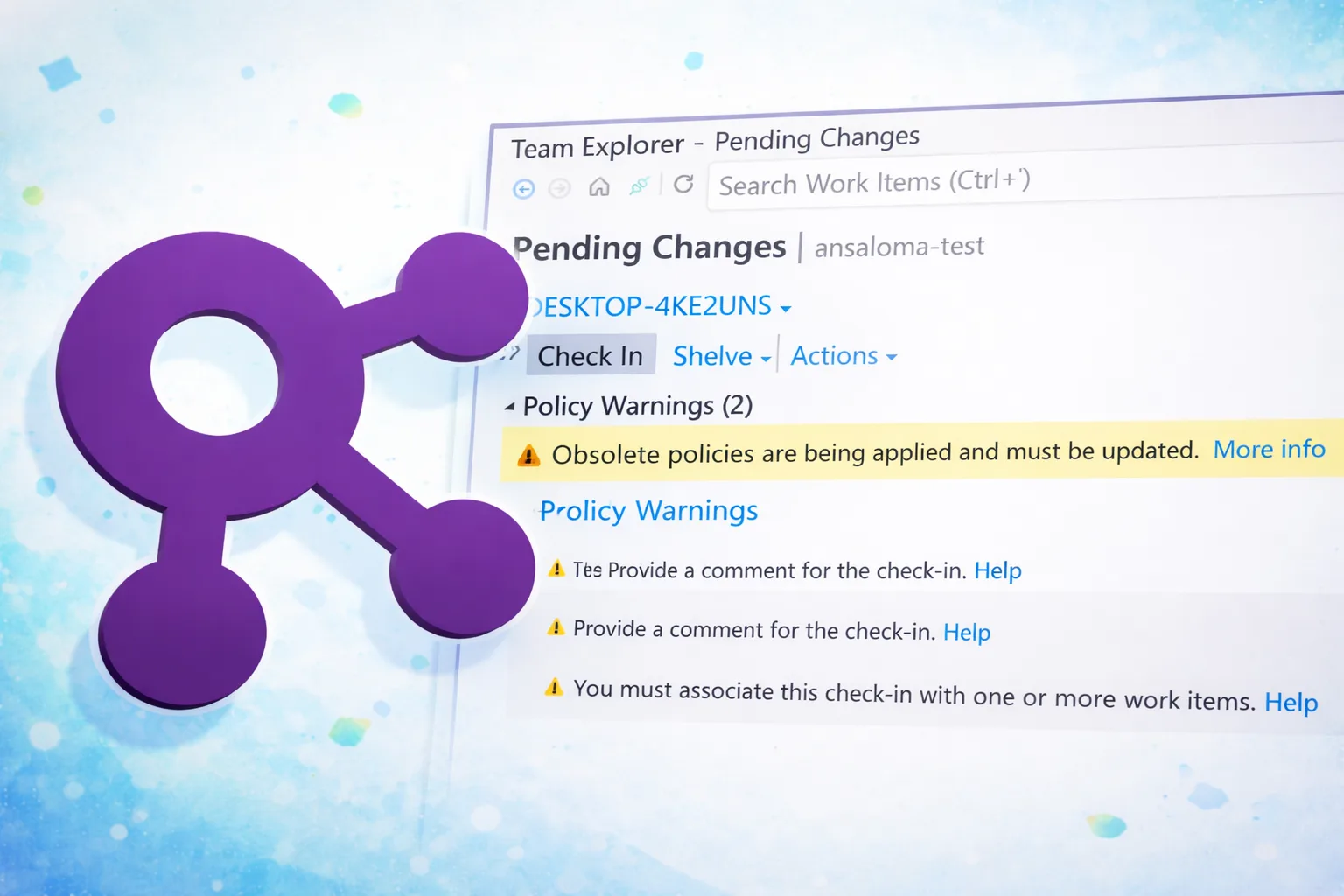
TFVC Remove Existing Obsolete Policies ASAP

In April 2025, we announced the deprecation schedule for legacy TFVC check-in policies. This change was required due to limitations in how those policies were previously implemented and stored. The old policies have been marked as obsolete, and you can replace them by selecting the...
Azure DevOps Blog