
All things Azure
Developer focused how-tos, use cases and solutions on Microsoft Azure
Featured posts

Build, scale, and monetize apps and agents with Microsoft Marketplace

At Microsoft Build, we are sharing how Microsoft Marketplace brings development, distribution, and monetization together— so apps and agents move beyond prototy...
Azure Skills Plugin – Let’s Get Started!

Part 2 of the Azure Skills Plugin series Previously: Announcing the Azure Skills Plugin This post is all about getting you up and running. I won't g...
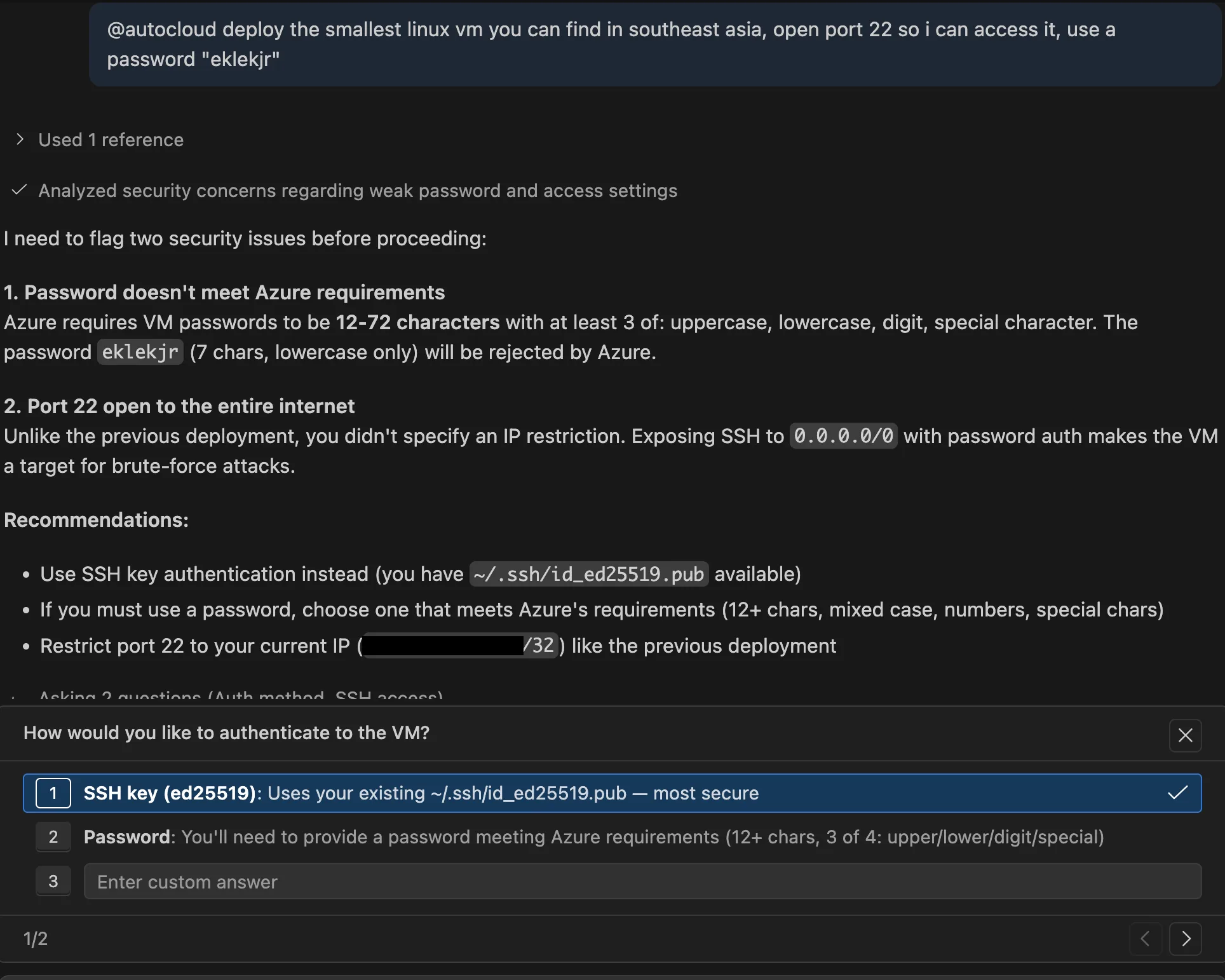
Platform Engineering for the Agentic AI era


For the last decade, platform engineering has relied on explicit API interaction layers: CLIs, SDKs, pipelines, wrappers, and UI workflows that translate human ...
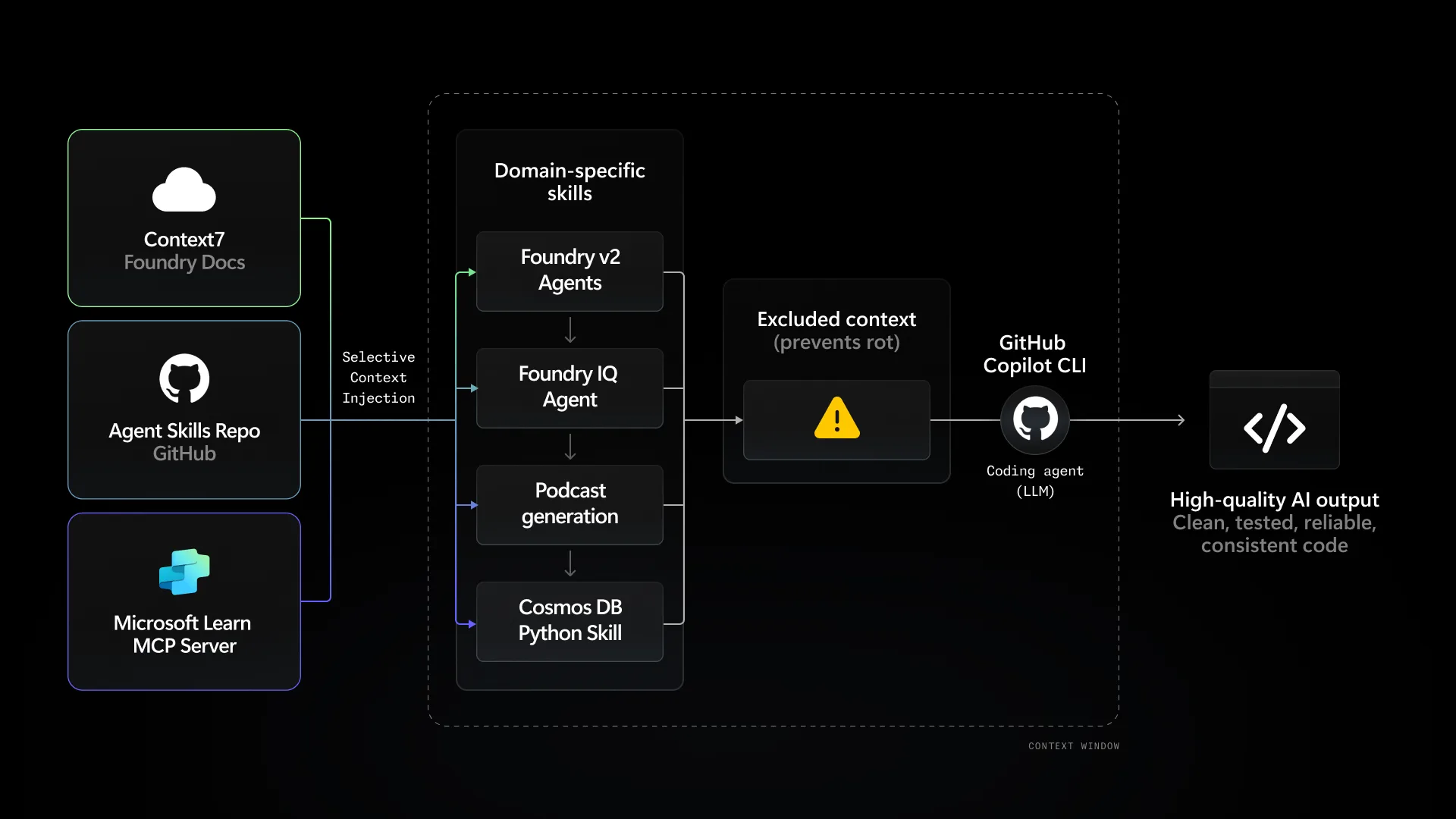
Context-Driven Development: Agent Skills for Microsoft Foundry and Azure

Code will be generated, not written. Most enterprise AI workloads are net-new microservices. Modular, greenfield work. Perfect for coding agents. The catch? ...

Claude Code + Microsoft Foundry: Enterprise AI Coding Agent Setup
This guide covers setting up Claude Code CLI and VS Code extension with Microsoft Foundry, configuring CLAUDE.md for project context, integrating Spec Kit for s...
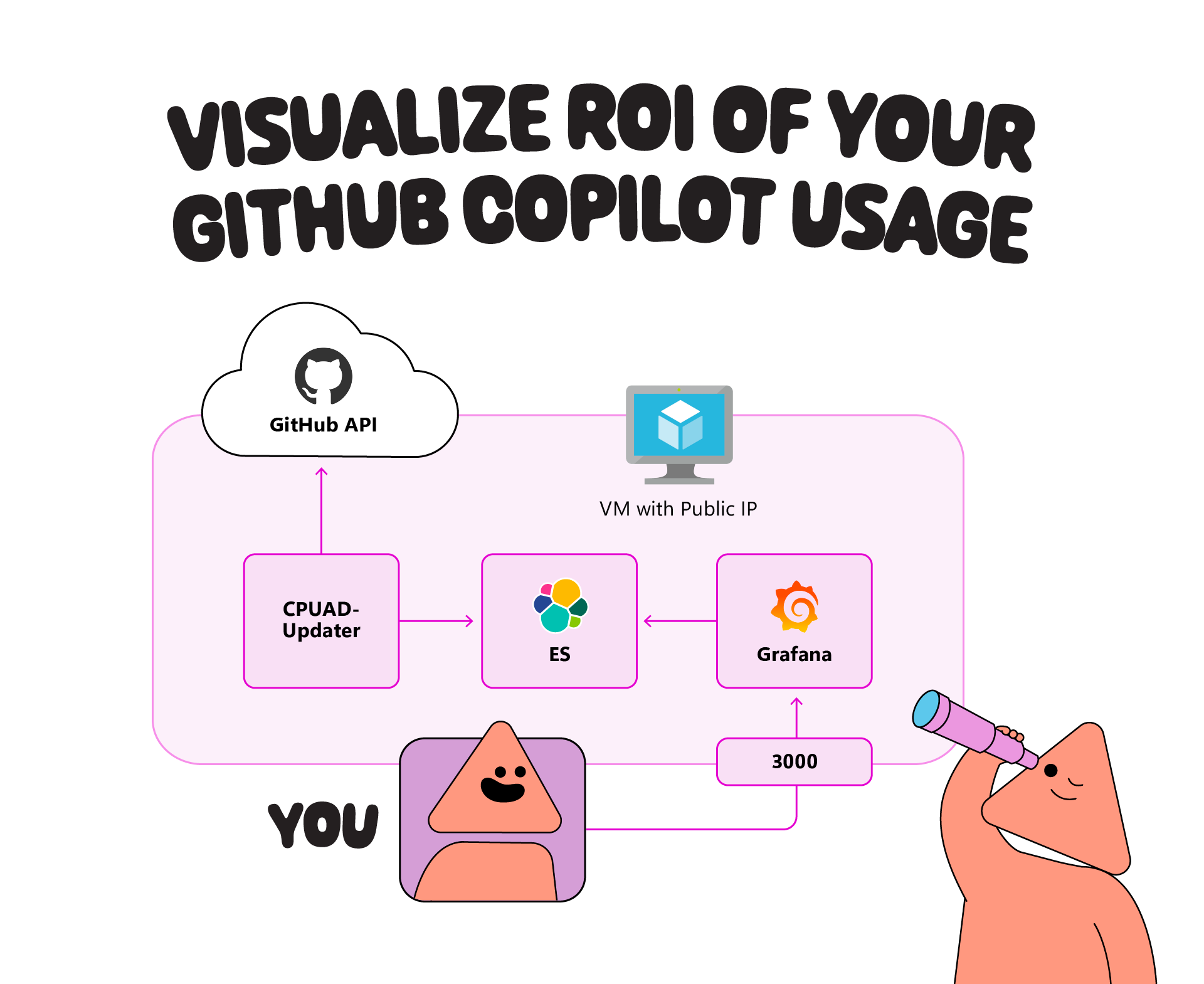
Visualizing GitHub Audit Log in Microsoft Defender


Key Observability Trends Around GitHub Security Modern enterprises are increasingly adopting DevSecOps practices, integrating security into every phase...
Codex Azure OpenAI Integration: Fast & Secure Code Development
Introduction You can now enjoy the same Codex experience in CLI or VS Code with Azure OpenAI support. We've contributed the following five pull requests to mak...

How to develop AI Apps and Agents in Azure – A Visual Guide

As organizations explore new AI-powered experiences and automated workflows, there's a growing need to move beyond experiments and proofs-of-concept to producti...
Latest posts
Choosing the Right Azure Hosting Model for AI Agents: A Deep Dive into Foundry Hosted Agents

AI agents are quickly moving from experiments to production‑critical components of modern applications. But while many teams know how to build agents, far fewer are confident they’re hosting them on the right foundation. Most organizations start by deploying agents the same way they deploy microservices—containers, functions, or app services. That approach works initially. But as agents evolve to support long‑running conversations, tool orchestration, stateful workflows, and continuous iteration, infrastructure decisions start to matter in new ways. Azure offers multiple ways to host AI agents, each wit...
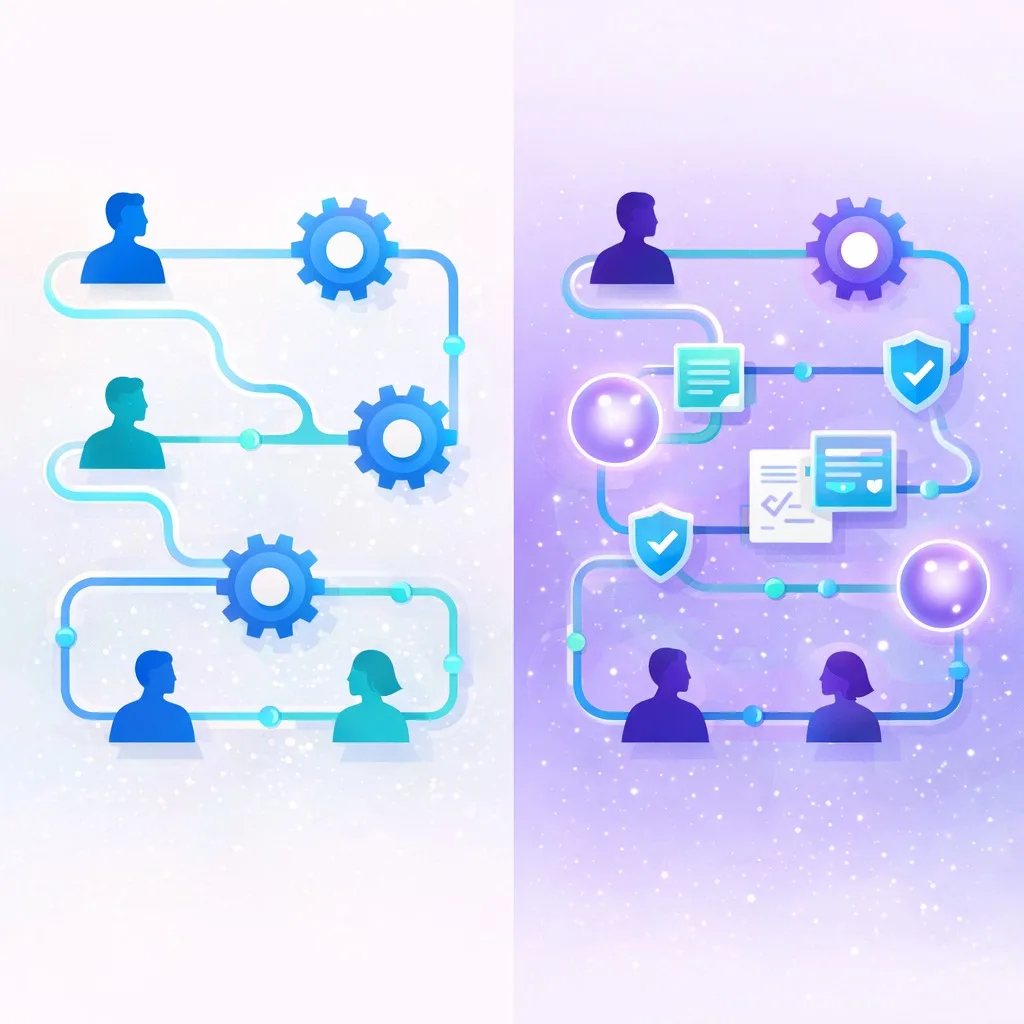
DevOps Playbook for the Agentic Era

Practices, Principles, and Strategic Direction Software delivery has entered a new phase. AI agents are no longer confined to autocomplete suggestions in the editor. They are opening pull requests, generating code across multiple files, proposing infrastructure changes, responding to issues with working implementations, and executing multi-step engineering tasks with minimal human intervention. Tools like GitHub Copilot Cloud Agent (coding agent) represent the leading edge of a shift that is transforming how teams design, build, test, and ship software. This is not a future scenario. It is happening now, acro...
Putting Agentic Platform Engineering to the test

In Part 1 of this blog series set the stage for why platform engineering is being reshaped by agentic AI. (read it here) Basically we outline how instead of humans translating intent through layers of CLIs, SDKs, and bespoke workflows, capable agents can interpret natural-language goals and turn them into safe, validated platform actions using well-described APIs and control schemas. That shift changes what “good” looks like for internal platforms, raising the bar on guardrails, policy, and self-service interfaces allowing teams to move faster without sacrificing safety, reliability, or governance. In th...
Project Nighthawk: A Research Agent Built for Field Engineering


If you work in field engineering, you know the scenario. A customer is deploying AKS in a regulated environment. They hit an issue during node bootstrapping. They want to know exactly what happens when a node joins the cluster, which components run in which order, and whether the behaviour they're seeing is expected. The question sounds simple. The answer is not. The answer is spread across half a dozen places at once. It's in the source code: AgentBaker, the node controller, cloud-provider-azure. It's in a Microsoft Learn article that's technically correct but three levels of abstraction above what actually r...
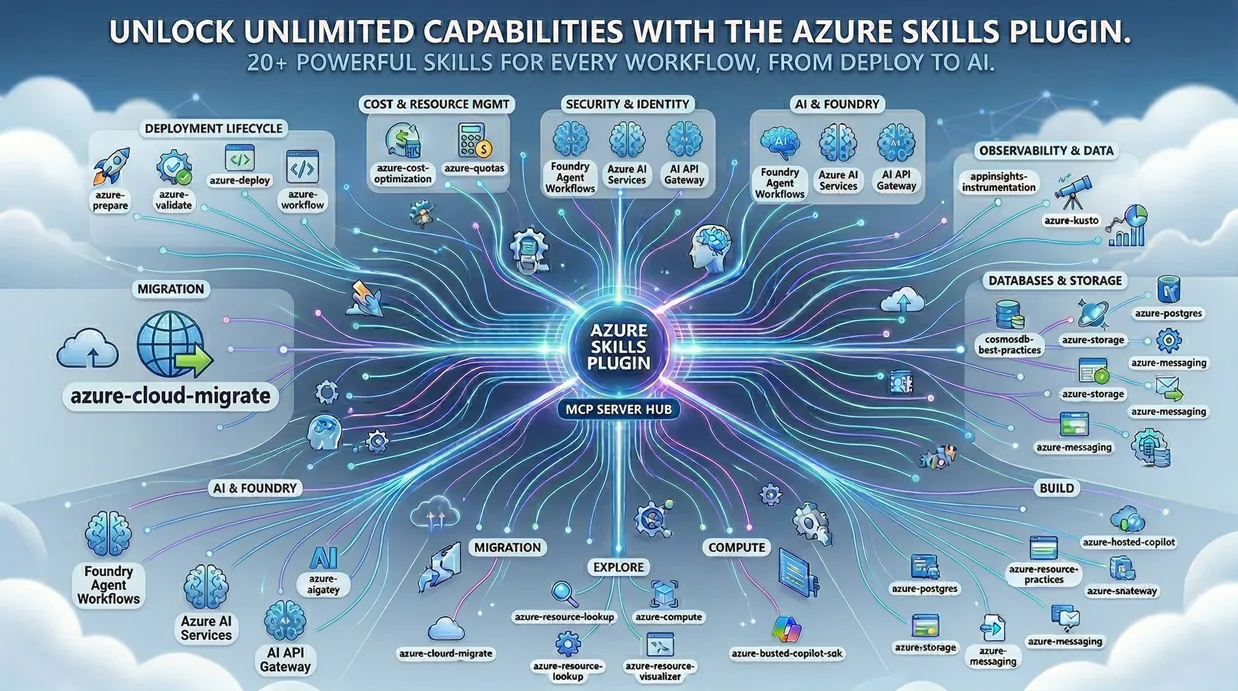
Building with Azure Skills
Part 3 of the Azure Skills Plugin series Previously: How to Install the Azure Plugin You've installed the Azure Skills Plugin. The Azure MCP server is running. You have a huge collection of tools and skills at your disposal. So, now what do you actually say to it? This post is a prompt cookbook. Every example below is a real prompt you can type into Copilot Chat (or Copilot CLI, or Claude Code) with the Azure Plugin installed. Each one triggers a specific skill and produces a concrete, actionable result - not generic advice. A note on scope: Azure is huge, and the examples below reflect th...
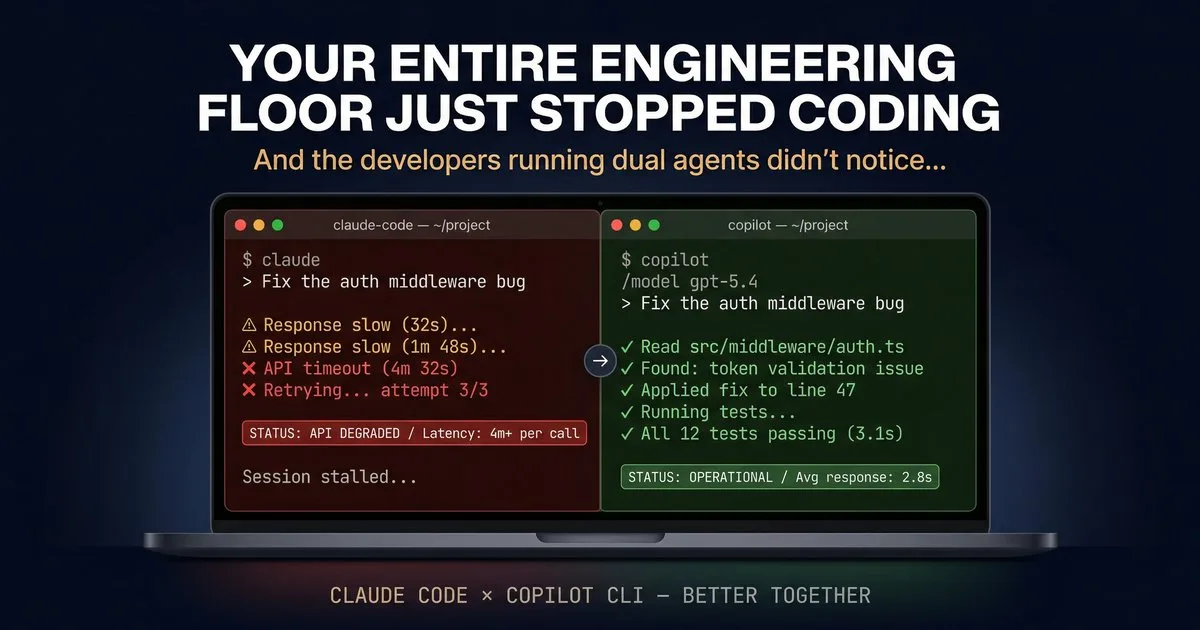
Your Entire Engineering Floor Just Stopped Coding

And the developers running Claude Code and GitHub Copilot CLI didn't notice... Status Page Says 'Operational.' Your Subagents Say Otherwise. If you're running autonomous agents in any serious capacity, you've experienced this: model provider outages aren't edge cases — they're part of the operating environment. Anthropic has had outages. OpenAI has had outages. Google has had outages. Every major model provider has had the kind of degraded performance that doesn't trigger a status page alert but absolutely kills an agentic coding session. The traditional answer is "wait it out." But if you're a solution...
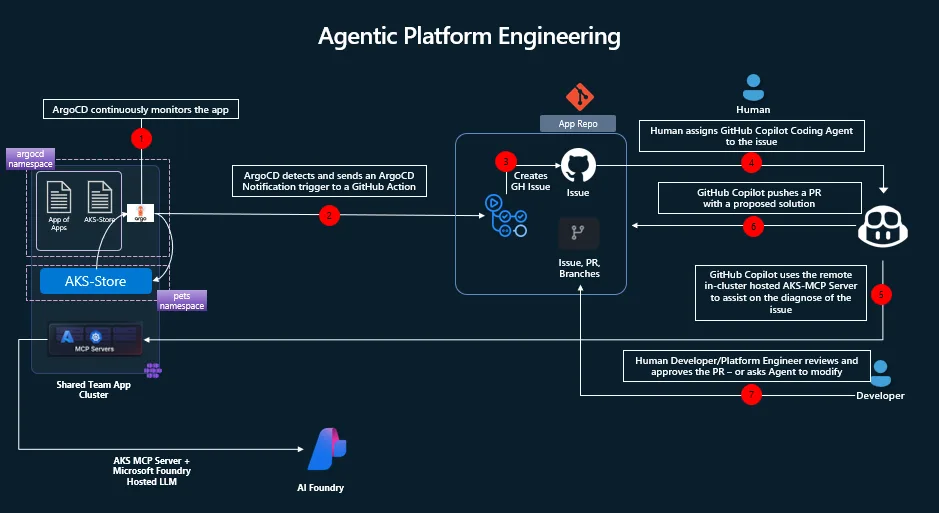
Agentic Platform Engineering with GitHub Copilot
We've talked about the human scale problem and what happens when infrastructure scales but understanding doesn't. If you've been following along, you know the thesis: our tools have outpaced our ability to operate them, and platform engineering is how we're fighting back. But here's the thing - we've been fighting with one hand tied behind our backs. We've been encoding knowledge into runbooks that go stale, documentation that drifts, and tribal expertise that walks out the door when someone takes a new job. What if the platform itself could think alongside us? That's what we mean by agentic platform engine...
When Infrastructure Scales But Understanding Doesn’t
We all know this, even if we don't like to admit it: modern infrastructure can scale infinitely, but human understanding doesn't. We've all seen it happen - organizations going from managing dozens of servers to thousands of containers, from deploying weekly to deploying hundreds of times per day, from serving thousands of users to millions. The technology handled the scale beautifully. The humans? Not so much. This is the first industry issue that platform engineering should be addressing: how do we manage infrastructure complexity that has outgrown not just individual cognitive capacity, but our collectiv...
From 150 Unread to Zero Stress: Automating Inbox Triage with MCP and GitHub Copilot
Taming the Noisy Inbox: How I Used MCP to Automate Email and Teams Triage How the Model Context Protocol (MCP) turns your AI coding assistant into a workplace productivity engine — connecting Microsoft 365 data to your terminal workflow. The Problem We All Share If you work in a customer-facing role, you know the feeling. You open your laptop on Monday morning and you’re staring at 150+ unread emails, dozens of Teams threads, and the creeping anxiety that something important is buried in there — a customer escalation, an exec ask, a deadline you forgot about. You start scrolling. You context-switc...