
All things Azure
Developer focused how-tos, use cases and solutions on Microsoft Azure
Featured posts

Build, scale, and monetize apps and agents with Microsoft Marketplace

At Microsoft Build, we are sharing how Microsoft Marketplace brings development, distribution, and monetization together— so apps and agents move beyond prototy...
Azure Skills Plugin – Let’s Get Started!

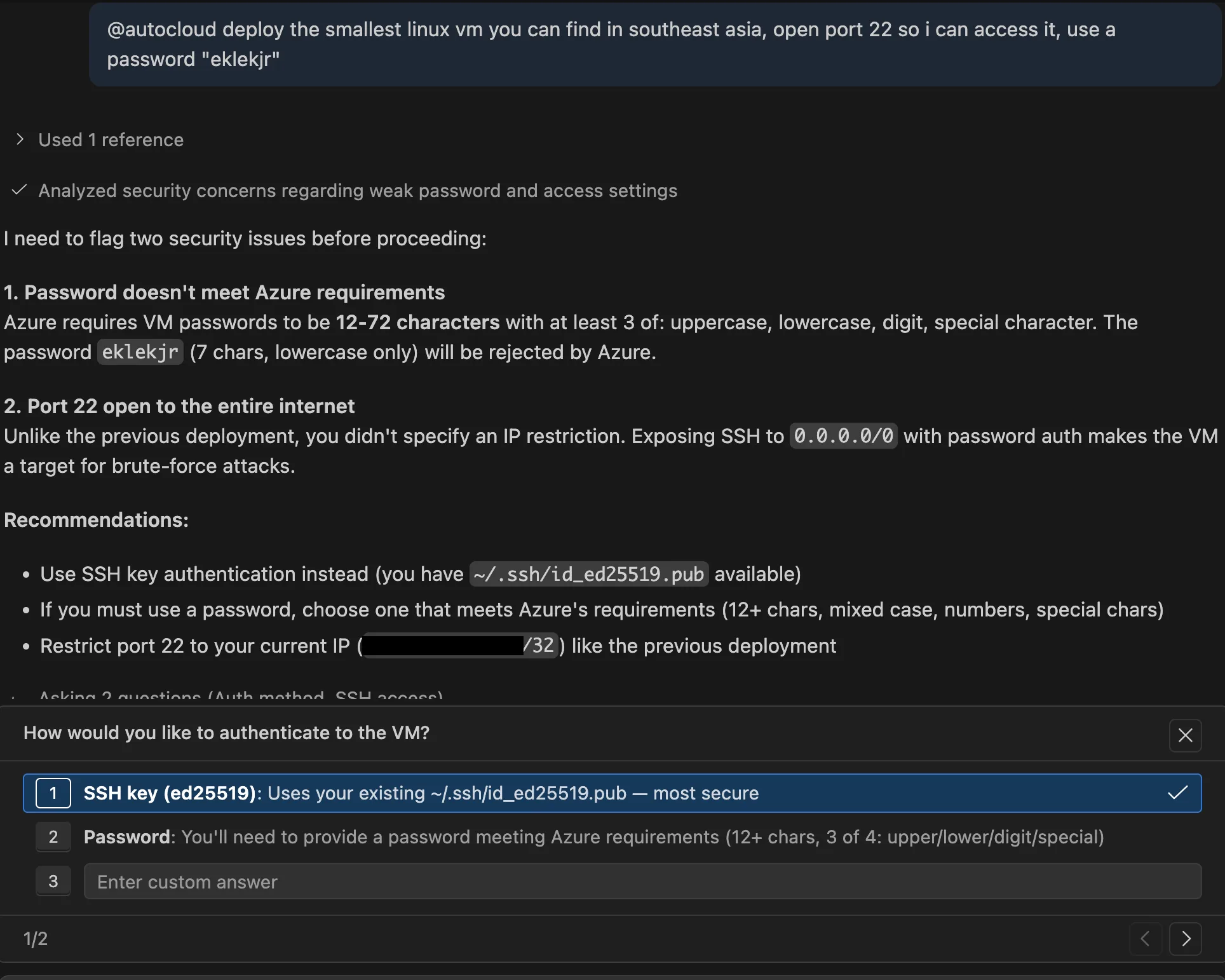
Part 2 of the Azure Skills Plugin series Previously: Announcing the Azure Skills Plugin This post is all about getting you up and running. I won't g...
Platform Engineering for the Agentic AI era


For the last decade, platform engineering has relied on explicit API interaction layers: CLIs, SDKs, pipelines, wrappers, and UI workflows that translate human ...
Context-Driven Development: Agent Skills for Microsoft Foundry and Azure

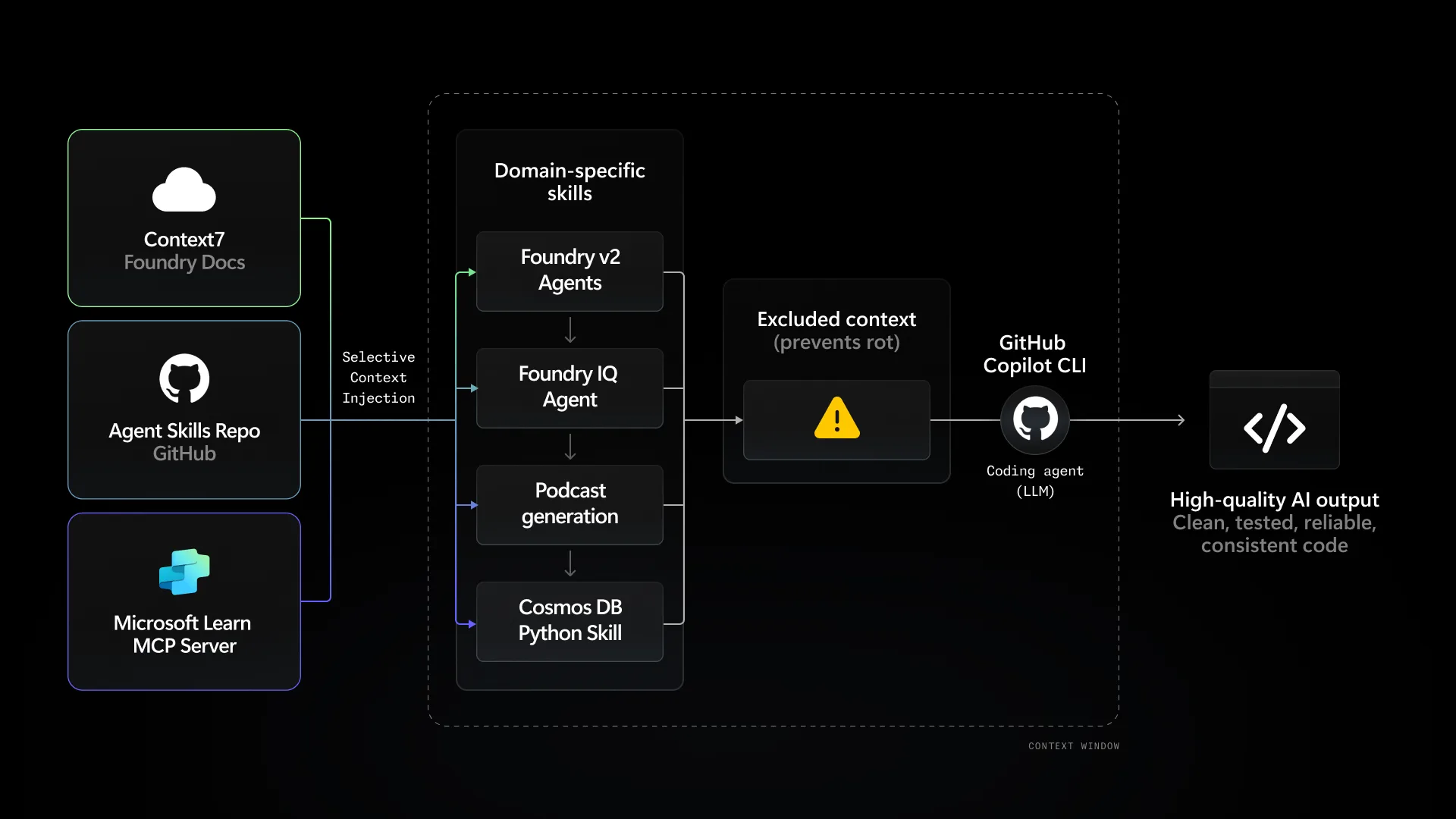
Code will be generated, not written. Most enterprise AI workloads are net-new microservices. Modular, greenfield work. Perfect for coding agents. The catch? ...

Claude Code + Microsoft Foundry: Enterprise AI Coding Agent Setup
This guide covers setting up Claude Code CLI and VS Code extension with Microsoft Foundry, configuring CLAUDE.md for project context, integrating Spec Kit for s...
Visualizing GitHub Audit Log in Microsoft Defender


Key Observability Trends Around GitHub Security Modern enterprises are increasingly adopting DevSecOps practices, integrating security into every phase...
Codex Azure OpenAI Integration: Fast & Secure Code Development
Introduction You can now enjoy the same Codex experience in CLI or VS Code with Azure OpenAI support. We've contributed the following five pull requests to mak...

How to develop AI Apps and Agents in Azure – A Visual Guide

As organizations explore new AI-powered experiences and automated workflows, there's a growing need to move beyond experiments and proofs-of-concept to producti...
Latest posts
The Human Scale Problem in Platform Engineering


We keep doing this thing where we solve a problem, celebrate the victory, then realize we've created three new problems we didn't even know existed. Remember when manually configuring servers was the bottleneck? So we built containers. Great! Now we're orchestrating thousands of them. Remember when monolithic deployments were too slow? So we built microservices. Fantastic! Now we're drowning in distributed system complexity. We solved manual infrastructure provisioning with infrastructure as code. Perfect! Now we're coordinating dozens of Terraform modules across environments and wondering how we got here. ...
Announcing the Azure Skills Plugin
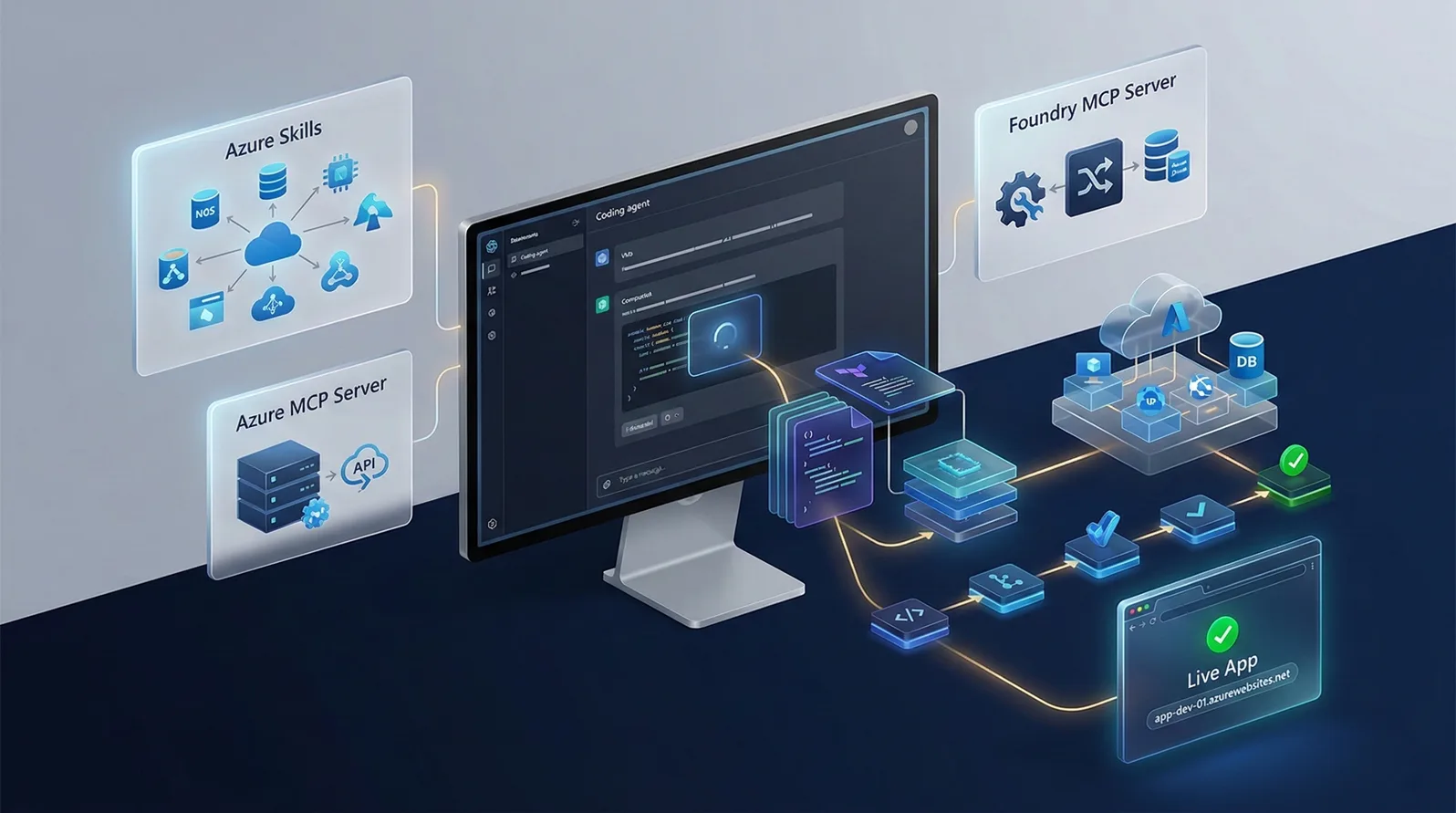
Part 1 of the Azure Skills Plugin series Coding agents like GitHub Copilot and Claude Code are great at code, but getting your app to production on Azure is not just about writing code. Really, it is about making the right calls. Which service fits this app? Which SKU fits this workload? Should this be App Service, Container Apps, Functions, AKS, or something else entirely? What needs to be validated before deploy? Which permissions, quotas, and guardrails matter? That is exactly why skills are taking off: they give agents practical knowledge on demand instead of forcing them to guess. Want to try t...
Measuring actual AI Impact for Engineering with Apache DevLake

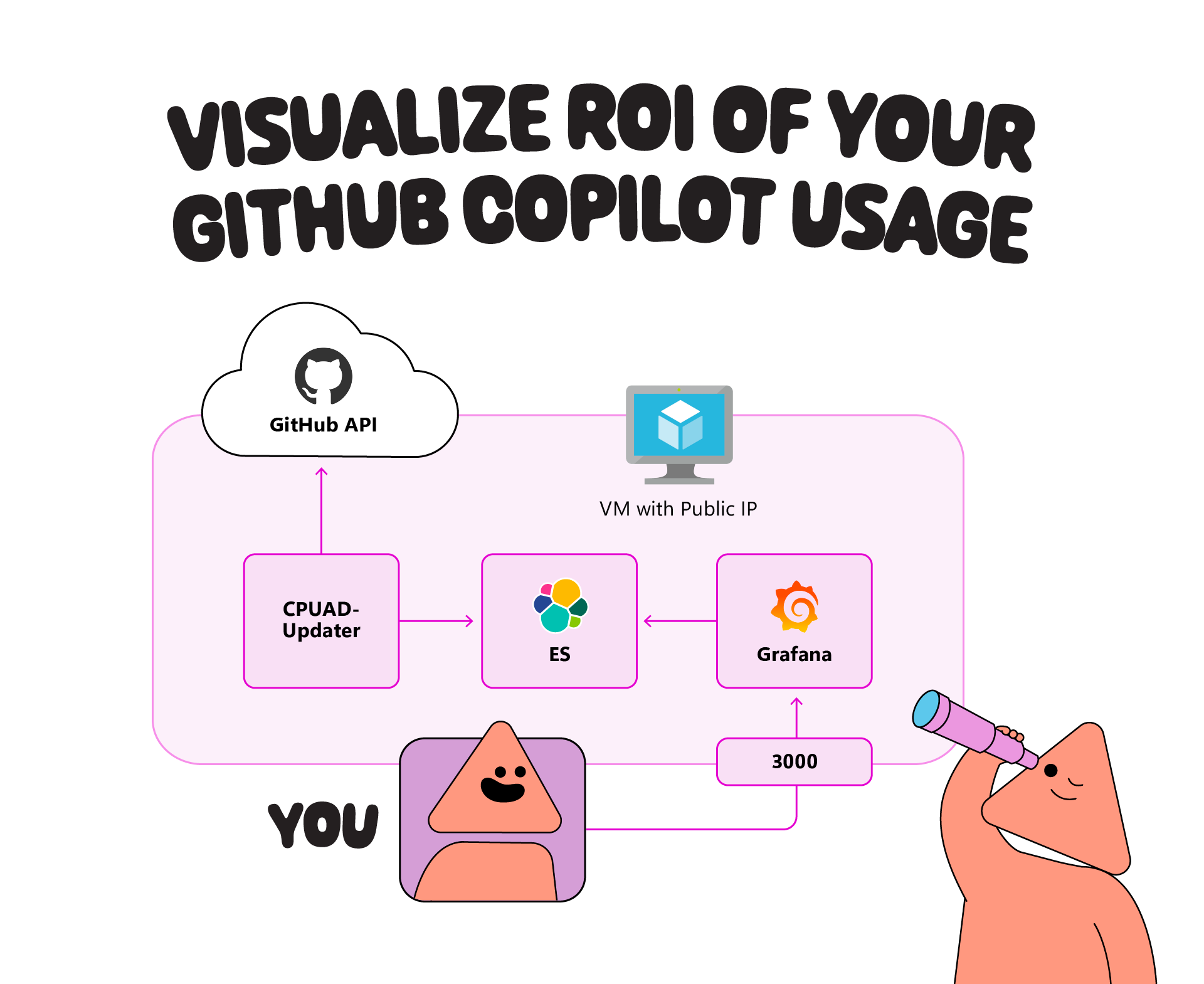
If you want to skip the explain and get started super quick with adoption + impact insights, use gh-devlake to deploy a GitHub Copilot impact dashboard in a few CLI commands. So! You've rolled out GitHub Copilot to your engineering teams. You've got the built-in dashboards. You know how many seats are assigned, what the acceptance rates look like, which editors your teams prefer. Maybe you've even pulled the Copilot Metrics API and built some charts. But here's the question your VP of Engineering or CTO is actually asking: "Is GitHub Copilot making us ship faster? Are we more reliable? Is code review g...
The OS for Intelligence: How GitHub Bridges the Fragmented AI Landscape

We are currently living through the "fragmentation phase" of the AI revolution. If you’re a developer, you know the drill: You have Claude Code open for reasoning. You have ChatGPT open for logic checks. Then you drop into your terminal to actually build the thing—manually copy-pasting context between three different windows. We call this the "fragmentation tax." It kills momentum, breaks your flow, and frankly, it’s a waste of cognitive energy. For engineering leaders, it’s even worse. It’s a governance nightmare and a silent killer of velocity. GitHub’s answer isn't just another tool; it’s an Op...

The Realities of Application Modernization with Agentic AI (Early 2026)

How to read this article This article is a reflection based on hands-on experience and is written for engineers and technical leaders who are facing a new application modernization effort and want to build a realistic mental model before reaching for tools. If you are new to application modernization, I recommend reading the article end to end. The early sections focus on why modernization is hard in practice and which foundations matter before any technical decisions are made. If you are already familiar with the app modernization space and mainly interested in the role of agentic AI, you can skip the intro...
AI Coding Agents and Domain-Specific Languages: Challenges and Practical Mitigation Strategies

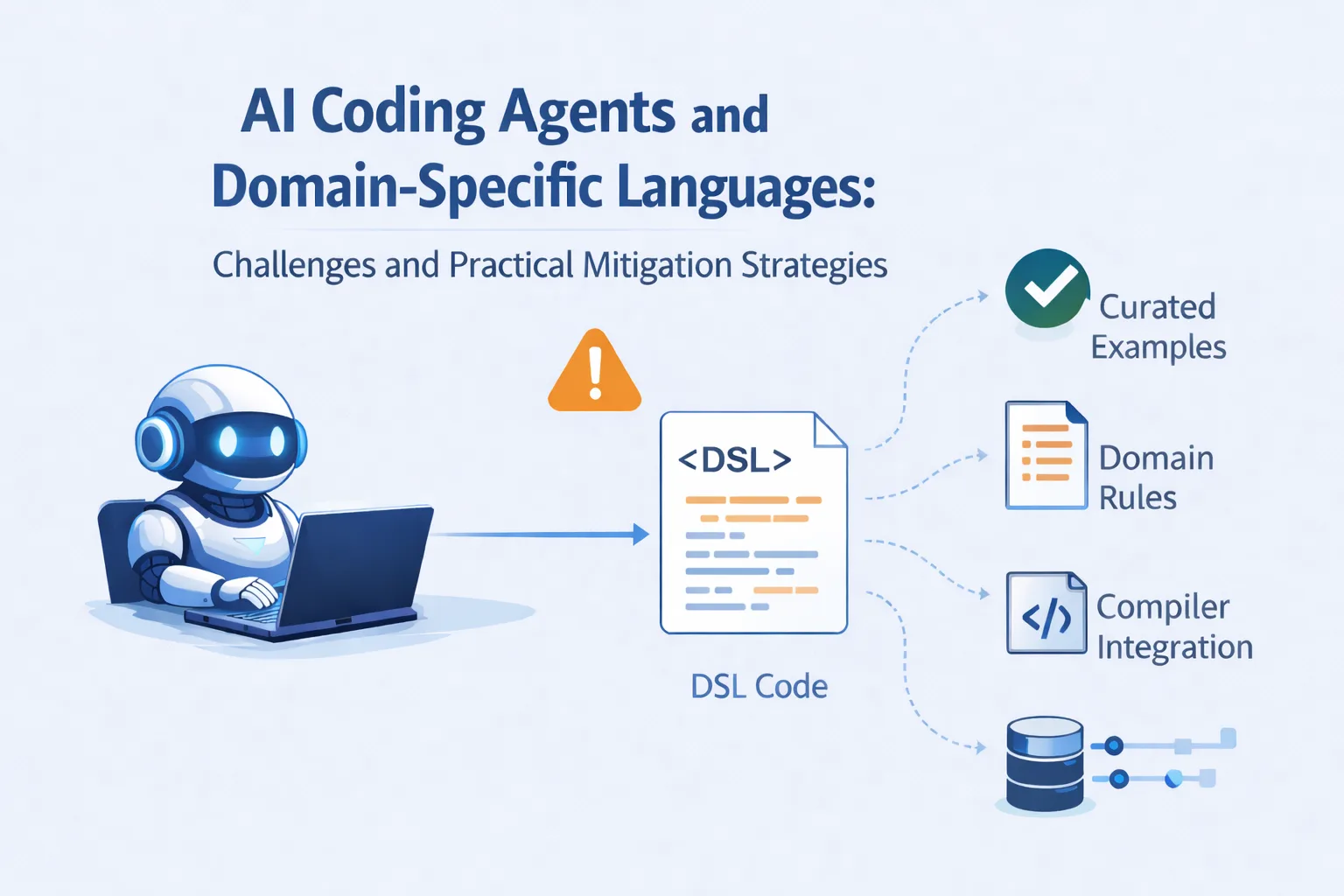
1. Introduction AI coding agents/assistants such as GitHub Copilot have become common in modern software engineering workflows. Their strengths—rapid pattern completion, context-aware suggestions, and the ability to learn style from local code—stem from broad training on large corpora of public, general-purpose code. They perform best when the languages, libraries, and idioms requested by developers align with patterns they have seen many times before. Domain-Specific Languages (DSLs) break this assumption. DSLs are deliberately narrow, domain-targeted languages with unique syntax rules, semantics, and ...
Locking Down MCP: Create a Private Registry on Azure API Center and Enforce It in GitHub Copilot And VS Code

Ever since MCP launched, every customer has asked the same thing: “How does a private MCP registry actually work, and how do we configure it for our enterprise?”. So today, on a snowy, freezing Friday in Zurich, I grabbed a coffe, opened the GitHub docs, dove into Azure API Center portal, and decided to write the blog I wish already existed.A few hours (and quite a few sighs) later, here I am. The docs are great but they definitely don’t cover all the tiny quirks, hidden settings, and errors you’ll hit along the way. What did the journey look like? This post is the guide I d...
Develop Faster with VS Code for the Web – Azure: Your Browser-Based Dev Environment

Developers can now move from idea to Azure-ready code in minutes with VS Code for the Web – Azure. This browser-based environment removes setup time, reduces friction, and gives you immediate access to pre-configured runtimes, GitHub tools, and Azure integrations. As a result, you can start building, editing, and deploying the moment inspiration strikes. For more info, view our VS Code Docs. Build in the Browser with a Ready-to-Use Azure Environment VS Code for the Web – Azure opens directly in your browser, and it loads a workspace that includes Node.js, Python, Java, C#, Git support, and the Azure Develop...
Azure DevOps to GitHub migration Playbook: Unlocking Agentic DevOps

Azure DevOps or GitHub Enterprise ? Today, in the Microsoft ecosystem, two Software Development Lifecycle management platforms coexist: - Azure DevOps is designed from the ground up for enterprise with advanced planning features through Azure Boards, build and release automation with Azure Pipelines, and a unique offering for quality teams with Azure Test Plans... - GitHub has evolved with the open-source ecosystem, and its operation is naturally more centered around code repositories, visible by default, and the system of proactive contributions through Forks and Pull Requests. The platform has evolved to...